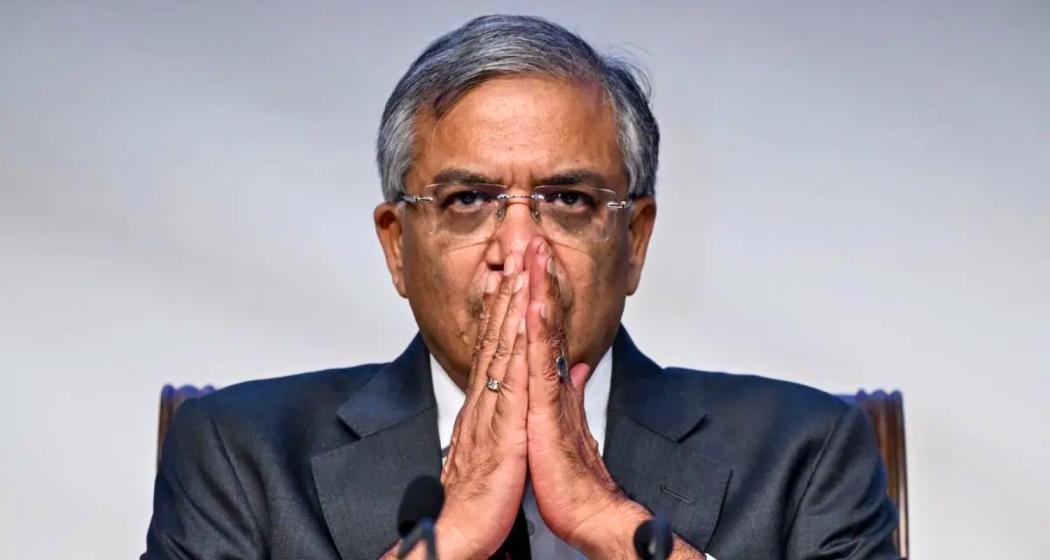
A total of 193 Opposition Members of Parliament have signed notices seeking the removal of Chief Election Commissioner (CEC) Gyanesh Kumar, marking the first such attempt against a head of India’s Election Commission.
According to sources, 130 Lok Sabha MPs and 63 Rajya Sabha MPs have endorsed the notice. The motion is likely to be submitted in at least one House of Parliament on Friday, although it remains unclear whether it will be introduced first in the Lok Sabha or the Rajya Sabha.
Under parliamentary rules, at least 100 MPs are required to sign a notice seeking the removal of the CEC in the Lok Sabha, while a minimum of 50 MPs are needed in the Rajya Sabha. The Opposition has exceeded both thresholds.
An Opposition leader said lawmakers had shown “great enthusiasm” in signing the notice, with several MPs continuing to add their signatures even after the required numbers had already been reached.
Sources said members from all parties in the INDIA bloc have signed the notice. MPs from the Aam Aadmi Party (AAP), which is no longer formally part of the bloc, have also backed the move.
The notice reportedly lists seven charges against Kumar, including allegations of “partisan and discriminatory conduct in office”, “deliberate obstruction of investigation of electoral fraud”, and “mass disenfranchisement”.
Opposition parties have repeatedly accused the Election Commission of acting in a manner favourable to the ruling BJP, particularly in relation to the ongoing Special Intensive Revision (SIR) of electoral rolls.
Also read: Strict action if negligence found in Bengal polls: Gyanesh Kumar
Concerns have been raised most strongly over the revision process in West Bengal. Trinamool Congress (TMC) chief and West Bengal Chief Minister Mamata Banerjee has alleged that genuine voters were being removed from electoral rolls, accusing the poll body of acting in a partisan manner.
The process for removing the CEC is similar to that used for removing a judge of the Supreme Court or a High Court. An impeachment motion can be initiated only on the grounds of “proven misbehaviour or incapacity”.
The motion can be introduced in either House of Parliament. For it to succeed, it must be passed by a special majority — a majority of the total membership of the House as well as a two-thirds majority of members present and voting.
According to the law governing the appointment of the Chief Election Commissioner and election commissioners, the CEC “shall not be removed from his office except in the like manner and on the like grounds as a judge of the Supreme Court”.
The law also states that other election commissioners cannot be removed except on the recommendation of the CEC.
Under the Judges (Inquiry) Act, 1968, if notices for such a motion are submitted in both Houses on the same day, a committee to examine the charges will be constituted only after the motion has been admitted in both Houses.
Once admitted, the committee is jointly formed by the Speaker of the Lok Sabha and the Chairman of the Rajya Sabha to investigate the allegations before Parliament proceeds further with the impeachment process.

 Follow us