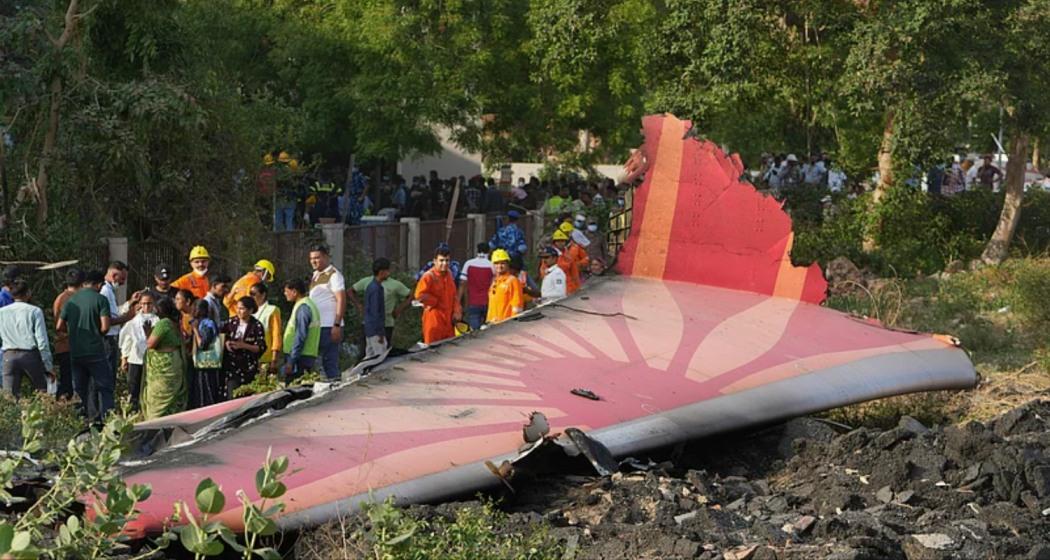
Air India is poised to report a record annual loss of at least ₹15,000 crore for the financial year ending March 31, 2026, after a fatal aircraft crash in Ahmedabad and regional airspace disruptions wiped out gains made under Tata Group’s turnaround strategy, according to people familiar with the matter.
The setback marks a sharp reversal for the national carrier, which had been inching towards operational breakeven following its privatisation. Tata Sons had earlier targeted profitability in the current fiscal year, but those plans have now been shelved after the June 2025 crash that killed more than 240 people and triggered widespread operational and reputational damage.
The financial strain was compounded by Pakistan’s decision to close its airspace to Indian airlines following a military confrontation last year. The move forced Air India and other carriers to operate longer, costlier routes to Europe and North America, sharply increasing fuel and operational expenses.
Air India, jointly owned by Tata Group and Singapore Airlines Ltd., had shown signs of stabilisation prior to the crash, benefitting from fleet modernisation, network rationalisation and tighter cost controls. The accident, however, not only grounded aircraft and disrupted schedules but also deepened passenger anxiety amid a turbulent year for Indian aviation marked by delays and cancellations.
Also read: AI crash: SC seeks Center's response to judicial probe plea
Government filings compiled by business intelligence platform Tofler show that Air India has accumulated losses of ₹32,210 crore over the past three years. The airline sought at least ₹10,000 crore in fresh financial support last year as part of its restructuring drive.
Management had submitted a five-year business plan projecting profitability by the third year, but the proposal was rejected by the board, which has asked for a more aggressive turnaround roadmap, the people said.
The mounting losses have raised concerns among both shareholders. Tata Group has begun scouting for a new chief executive officer to replace Campbell Wilson, though the leadership transition is expected only after the official crash investigation report is made public.
Singapore Airlines, which holds a 25.1 per cent stake following the merger of Vistara with Air India in 2024, has also seen its earnings weighed down by the Indian carrier’s performance. The airline, however, continues to support Air India’s restructuring, including efforts to bring aircraft maintenance operations in-house.
Spokespersons for Air India, Tata Group and Singapore Airlines did not respond to requests for comment.

 Follow us