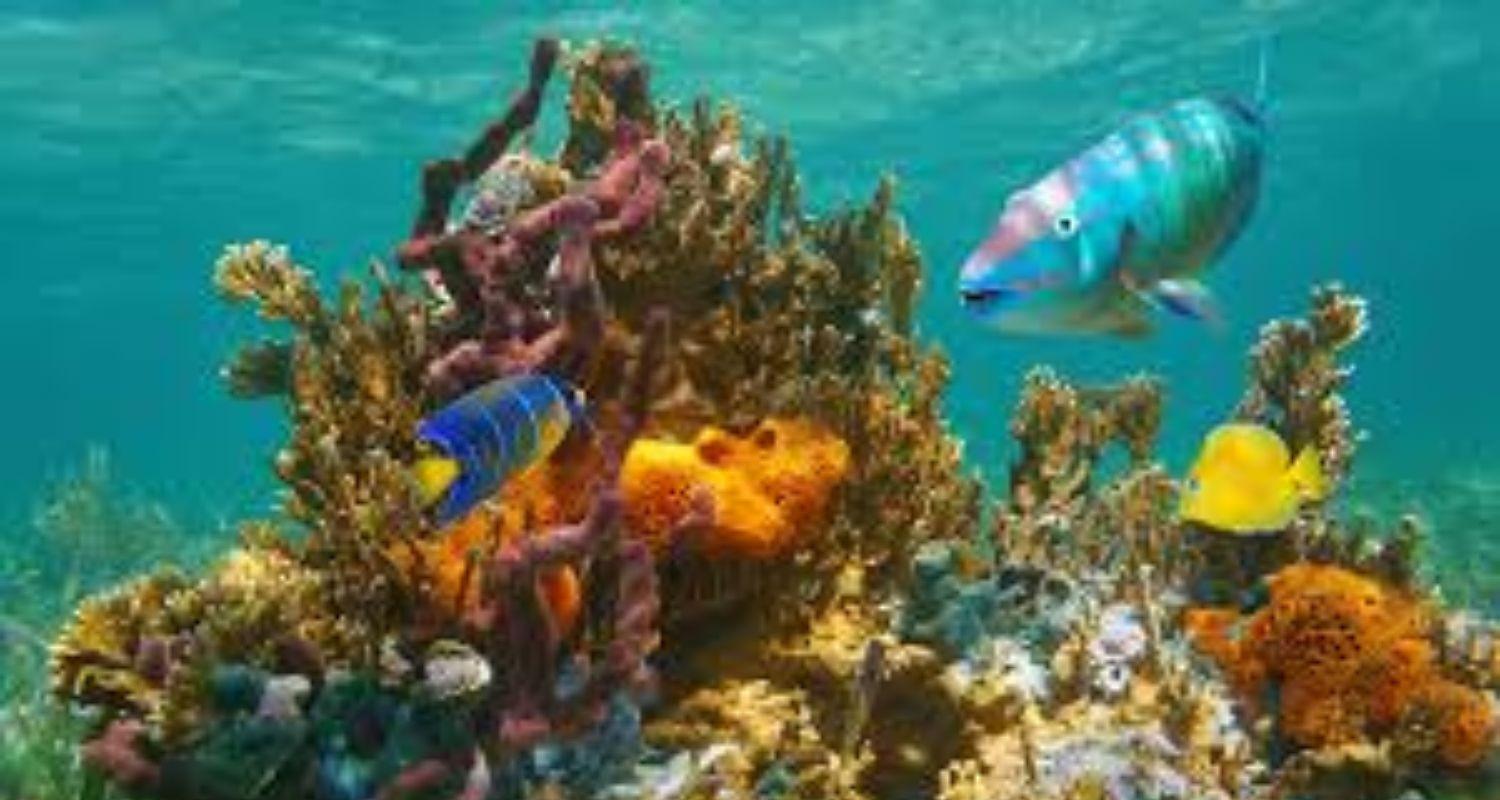
The Union government will soon establish the first of its kind National Coral Reef Research Institute (NCRRI) in the Andaman and Nicobar Islands, marking a major step in India’s efforts to conserve its marine biodiversity and protect coastal ecosystems.
The NCRRI, to be set up at an estimated cost of Rs 120 crore, will function as the nodal and monitoring agency for coral reef research across India. It aims to provide scientific data, conservation strategies and management support for reef ecosystems, which are critical for marine life and coastal protection.
The Union Ministry of Environment, Forest and Climate Change will establish the first-of-its-kind centre at Chidiyatapu in South Andaman, Sivaperuman, officer-in-charge of the Zoological Survey of India’s Andaman & Nicobar regional centre, said. “It will be an advanced coral reef research, conservation and management centre,” he said, highlighting the importance of coral reefs as natural coastal buffers that protect human settlements from storms and wave surges.
Coral reefs are biodiversity hotspots, providing habitat for thousands of marine species and supporting fisheries and tourism-based livelihoods. However, climate change, rising sea levels, warming waters and human activities have increasingly threatened these ecosystems.
Sivaperuman said a QR code-based system will be introduced at the ZSI Museum in Sri Vijay Puram, enabling visitors to digitally access photographs and information about the species on display. ZSI’s former director Kailash Chandra said the Andaman and Nicobar Islands are among India’s four biodiversity hotspots with a rich collection of both indigenous and migratory species. “The islands are ecologically sensitive and require continuous monitoring to ensure long-term sustainability,” he said.
Chandra also stressed on the impact of climate change on marine habitats, particularly coral reefs, and called for integrating conservation with local development and agriculture. “Our government is actively encouraging biodiversity enthusiasts by providing opportunities to name newly discovered species. The government is providing all assistance to interlink agriculture and island biodiversity,” he said.
The NCRRI is expected to play a critical role in research, education and community engagement, positioning India as a regional leader in coral reef conservation and sustainable management of fragile island ecosystems.
Also read: Scientists transplant crossbred corals to save Miami's reefs

 Follow us