Arvind Kejriwal, the Aam Aadmi Party (AAP) supremo and former Chief Minister of Delhi, is preparing to vacate the official Chief Minister's residence this Friday. This move follows his recent resignation as Chief Minister, submitted on September 17 to Lieutenant Governor VK Saxena, shortly after his release on bail in the excise policy case.
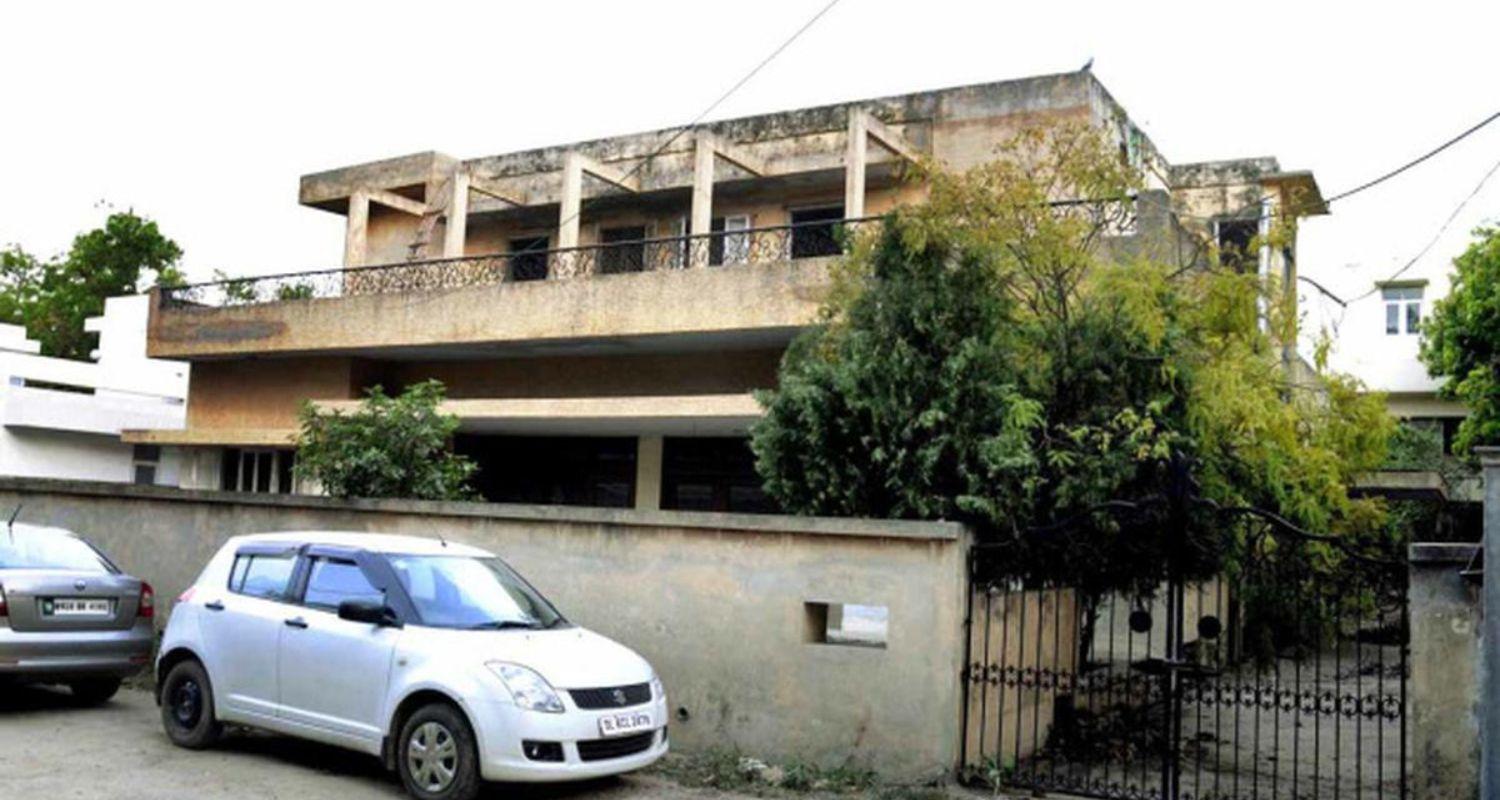
With the transition underway, Kejriwal is set to relocate to a bungalow on 5, Ferozshah Road, currently allotted to AAP Rajya Sabha Member of Parliament Ashok Mittal.
Party sources have confirmed that Ashok Mittal himself extended the offer to Kejriwal to move into his residence, and AAP officially announced that Kejriwal will be shifting to the property allocated to their MP.
It appears that Kejriwal's decision to move to Mittal’s residence is part of an effort to find a stable and "dispute-free" home, according to party statements. Kejriwal has expressed a preference for remaining close to New Delhi, the constituency from which he is an MLA, as he wants to stay connected with the people.
The search for a permanent residence is ongoing, and many party members, including MLAs, councillors, and supporters, have offered their homes to the AAP leader.
The political scene in Delhi has seen significant changes over the past weeks. After Kejriwal’s resignation, Atishi, a senior leader of the AAP, was appointed as the new Chief Minister.
She took the oath on September 22, becoming the third woman Chief Minister of Delhi, following in the footsteps of Sushma Swaraj and Sheila Dikshit. Atishi's elevation to the postmarks a pivotal moment in Delhi politics, as she aims to guide the city in a transitional period.
Atishi, known for her dedication to public service and reformative policies, spoke with a sense of commitment towards Kejriwal during her oath-taking ceremony. In a symbolic and emotional gesture, she placed an empty chair beside her own, stating that the chair belongs to Kejriwal.
She drew a parallel to the legendary Bharat’s gesture towards Lord Ram in the Ramayana, suggesting that her role as Chief Minister is temporary, and she is merely safeguarding Kejriwal’s legacy.
Atishi emphasised that she is taking charge for the next four months, confident in Kejriwal’s return as Chief Minister after the upcoming assembly elections, likely to be held in February 2025.
The recent developments have sparked discussions about AAP’s political strategy in the coming months, especially with Kejriwal's statement that he would only return to the Chief Minister's office if the people of Delhi offer him a renewed mandate and a "certificate of honesty." This shows that the AAP chief is committed to reaffirming his credibility among voters, especially in light of the challenges the party has faced.
The transition in Delhi’s leadership is notable not only because of the change in office but also for what it signals for the political landscape of the capital. Kejriwal's decision to resign from the post, rather than remain in power, is seen by some as a calculated move to regain public trust and reaffirm his dedication to transparency and integrity.
Meanwhile, Atishi’s leadership over the next few months will be under scrutiny as she aims to carry forward the policies and initiatives of the AAP while managing the administrative demands of the city.
Delhi has always been a hub of political activity, and recent events have only heightened public interest in how governance in the city will evolve. Atishi, at 43, is stepping into a challenging role.
She takes over leadership at a time when AAP needs to showcase stability and effectiveness in government to ensure continued public support. Her focus on continuing Kejriwal’s vision, alongside her unique leadership style, will be key to how well the party maintains its momentum ahead of the elections.
The move from the Chief Minister's residence to the property offered by Ashok Mittal marks a personal yet significant shift for Kejriwal. It underscores a sense of humility and flexibility, traits that have defined his political journey.
Kejriwal's choice to vacate his official residence and move to a property associated with his party shows solidarity and trust within AAP. It also sends a message that leadership can be adaptive and grounded, even during challenging times.
AAP’s political journey in Delhi has been one of dramatic highs and lows. From sweeping victories in assembly elections to facing challenges in governance and allegations of corruption, the party has had to navigate through a complex political environment.
The transition from Kejriwal to Atishi, albeit temporary, is a testament to AAP's evolving leadership style and its ability to adapt to changing circumstances.
As Atishi takes charge, she has a clear vision—to maintain continuity while also preparing for Kejriwal’s return. Her statements suggest a deep respect for Kejriwal’s leadership and a willingness to ensure that his absence is only temporary. The upcoming months will be crucial for her to prove her mettle as a leader and for AAP to demonstrate its stability and focus amidst leadership changes.

 Follow us