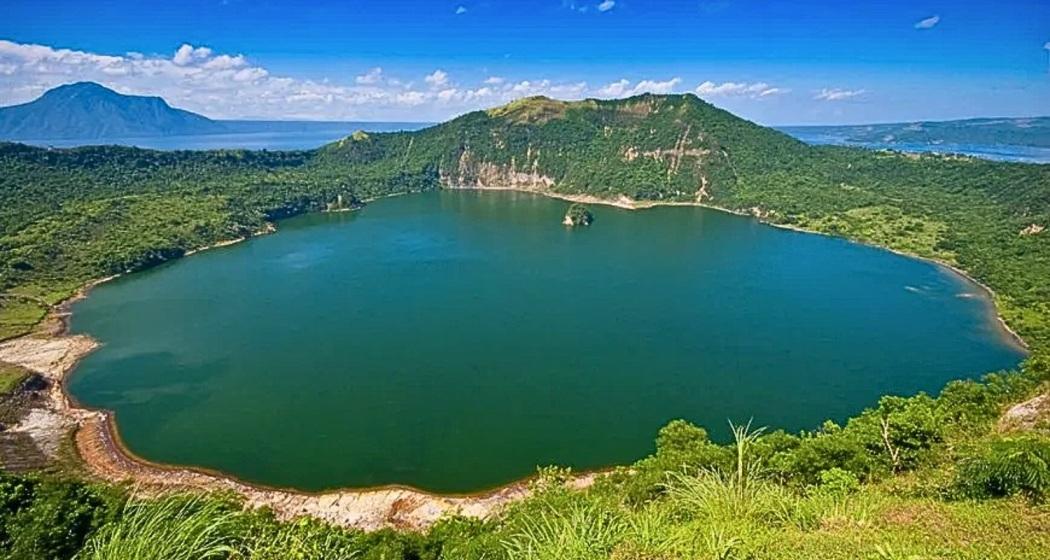
Renowned astronomer and space researcher D K Soman has raised concerns over emerging ecological changes at Lonar Lake in Buldhana district, warning that shifts in water chemistry and an unusual rise in water levels could pose a threat to the globally significant site.
Addressing a science programme in Thane, Soman highlighted that Lonar Lake, formed around 52,000 years ago by a high-velocity meteorite impact, is the world’s largest basaltic impact crater. Its unique geological and ecological characteristics have made it a subject of interest for scientists and researchers from across the globe.
The lake is known for its saline and alkaline water, with a high pH level that contributes to its distinct ecosystem. However, Soman pointed out that this delicate balance now appears to be changing. “The pH level of the water is also changing. Despite the ongoing summer, the water level in the lake has suddenly risen, submerging ancient Hemadpanthi temples located within the crater,” he said.
The submergence of these historical structures has added to concerns about the long-term impact of such changes, both on the lake’s ecology and its cultural heritage. According to Soman, the unexpected rise in water level during a typically dry season indicates underlying disturbances that require immediate scientific attention.
He suggested that human activities could be contributing to the phenomenon. “The rise may be due to borewell drilling in the surrounding areas or seepage from nearby water bodies,” he noted, pointing to possible disruptions in the natural hydrological system of the crater.
Also read: Maharashtra pushes for Lonar Lake’s UNESCO recognition
Soman emphasised that authorities must conduct a detailed investigation into the causes and take corrective measures without delay. Given the lake’s scientific importance, even minor alterations in its chemistry or water balance could have far-reaching consequences.
Lonar Lake is recognised as a National Geo-heritage Monument and holds a unique position globally as the only known hypervelocity impact crater formed in basaltic rock. Its structure, measuring nearly 1.8 kilometres in diameter and about 150 metres deep, is often compared to craters found on the Moon, making it valuable for planetary studies.
The lake also exhibits a rare dual-layered water system, with an outer layer that is relatively neutral and supports life, and an inner layer that is highly saline and alkaline. In 2020, it drew global attention when its waters turned pink due to a bloom of salt-loving microorganisms.
Soman also noted that traditional Indian ‘panchang’ systems are rooted in astronomy, underscoring the country’s long-standing scientific traditions and their relevance even today.
He concluded by reiterating the need for urgent intervention to preserve the fragile ecosystem and heritage of Lonar Lake, warning that neglect could lead to irreversible damage.

 Follow us