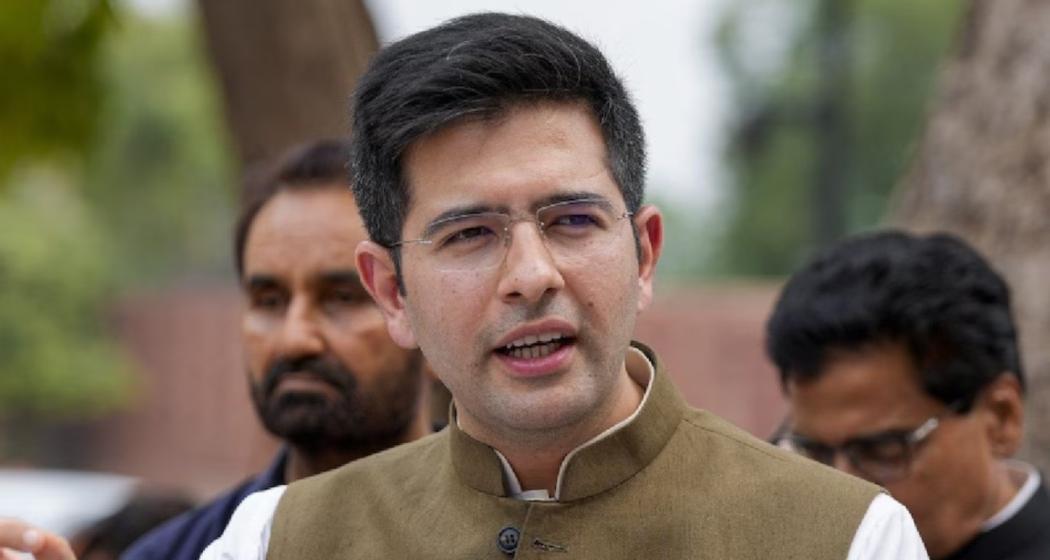
BJP Rajya Sabha MP Raghav Chadha on Thursday raised concerns over the alleged practice of "cut money" and referral commissions between some doctors and diagnostic centres, claiming it has evolved into an informal parallel economy that inflates patients' medical bills and encourages unnecessary diagnostic tests.
Participating in a discussion in the Rajya Sabha, Chadha alleged that certain doctors receive commissions from diagnostic centres for referring patients. He claimed these payments, often termed "referral commissions", are shown as marketing expenses in the accounts of diagnostic centres, while the financial burden is ultimately passed on to patients.
According to Chadha, the practice not only increases treatment costs but also encourages over-referral and unnecessary diagnostic tests. Citing the Indian Journal of Medical Ethics, he said such commissions could increase a patient's medical bill by 15 to 20 per cent.
Also read: CJP launches nationwide 'Kya Bolti Public' campaign
The BJP MP said the Medical Council of India's Code of Ethics had prohibited "fee splitting" since 2002. He added that the National Medical Commission's Registered Medical Practitioner Regulations, 2023, also ban referral commissions and provide for disciplinary action, including suspension of practitioners found violating the rules. In cases of serious violations, provisions relating to cheating, criminal conspiracy and the Consumer Protection Act could also apply, he said.
Clarifying that his remarks were not directed against the medical fraternity, Chadha said the overwhelming majority of doctors serve patients with honesty, dedication and integrity. His criticism, he stressed, was aimed solely at the alleged referral commission system.
He also advised patients to watch for warning signs, including doctors insisting on a particular diagnostic centre, expressing displeasure when patients choose another accredited laboratory, or displaying promotional material of diagnostic centres inside clinics.
Claiming that the practice is particularly prevalent in Tier-2 and Tier-3 cities, Chadha urged authorities to strengthen enforcement of existing regulations and bring greater transparency to the healthcare system to protect patients from unnecessary financial and medical burdens.

 Follow us