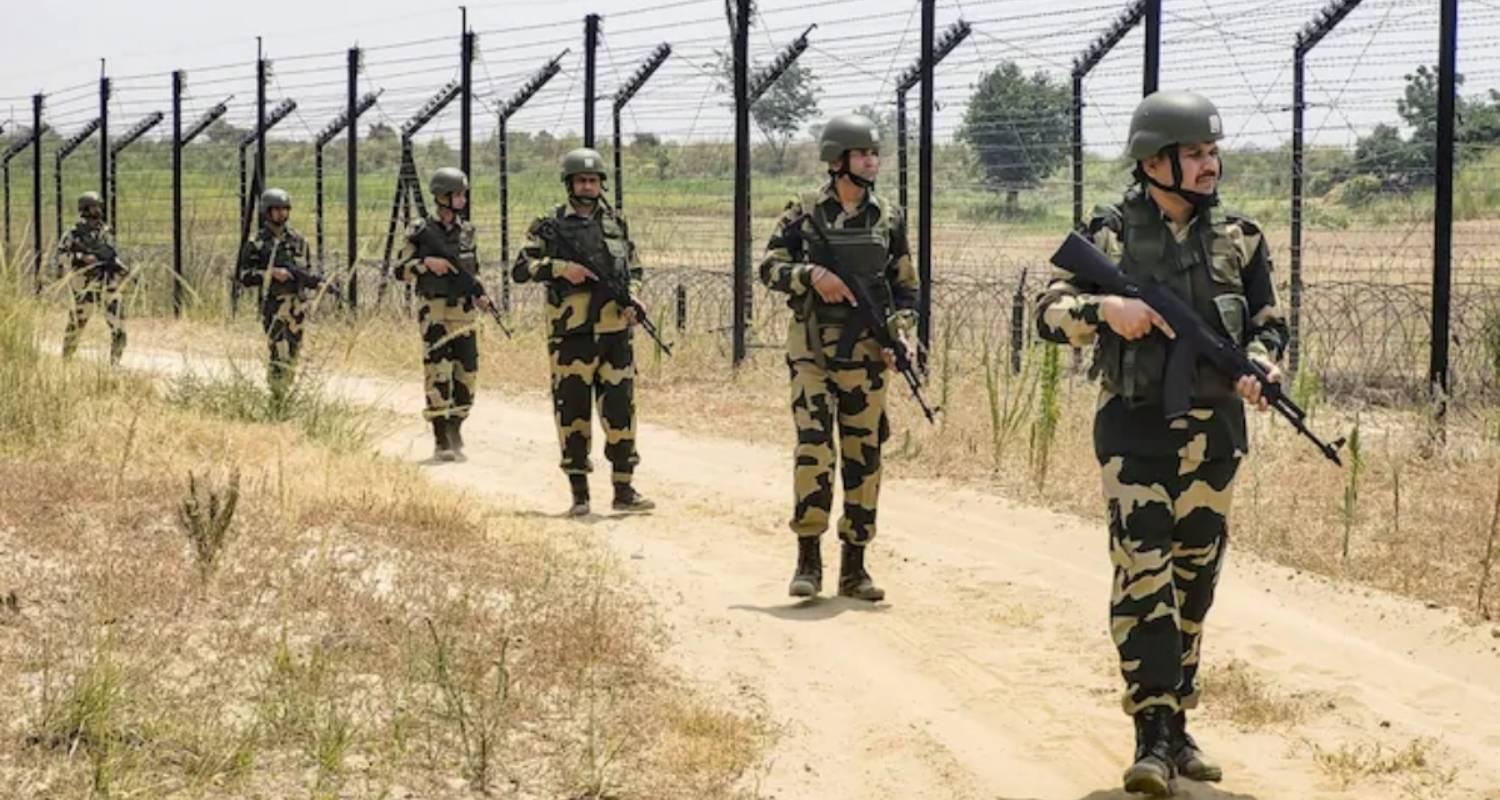
Amid growing concerns over infiltration, smuggling and internal security along India’s eastern frontier, the Ministry of Home Affairs (MHA) has issued a major directive asking officers of the Central Armed Police Forces (CAPF) and border state police to spend at least 50 nights every year in border villages.
The instruction places special emphasis on sensitive border states, particularly West Bengal, which shares a long and porous boundary with Bangladesh.
West Bengal’s border with Bangladesh stretches nearly 2,200 km and has long been considered vulnerable due to the presence of rivers, riverine chars, densely populated settlements and large stretches without barbed fencing. In recent months, political unrest, social tensions and the rise of fundamentalist activity in Bangladesh have further heightened security concerns for the Centre.
According to sources, the directive has been communicated to senior officers of the Border Security Force (BSF), Indo-Tibetan Border Police (ITBP), Sashastra Seema Bal (SSB) and Assam Rifles, as well as to police chiefs of border states. The instruction is expected to formally reach West Bengal Director General of Police Rajeev Kumar soon. The decision was finalised following deliberations at the DG–IG conference held in Raipur in November last year.
Also Read: Drone components seized from Rohingya man in Cox’s Bazar
Officials in the MHA believe that border security cannot rely solely on fencing and routine patrolling. “Direct engagement with border residents, trust-building and local-level intelligence gathering are critical,” a senior official said, explaining why regular overnight stays in villages have been made mandatory.
Districts such as Malda, Murshidabad, Nadia, North 24 Parganas, South 24 Parganas and Cooch Behar have been identified for special attention. These areas have frequently figured in allegations related to infiltration, fake documentation, smuggling and the presence of cross-border networks.
The initiative forms part of the Centre’s Vibrant Vigilant Programme, launched on April 10, 2023, which seeks to integrate security measures with development in border villages. During their mandated stays, officers will interact with villagers, youth, local public representatives, NCC cadets and social organisations. Residents will be encouraged to act as the “eyes and ears of the border” to help quickly identify and report suspicious activities.
Earlier, at a workshop on the Vibrant Villages programme in Delhi, Union Home Minister Amit Shah had underlined that the role of CAPFs extends beyond security to ensuring social and economic stability in border areas.
Security experts view the directive as a significant signal to West Bengal, particularly in the context of the evolving situation in Bangladesh, the rise of fundamentalist forces and the state’s open and sensitive border.

 Follow us