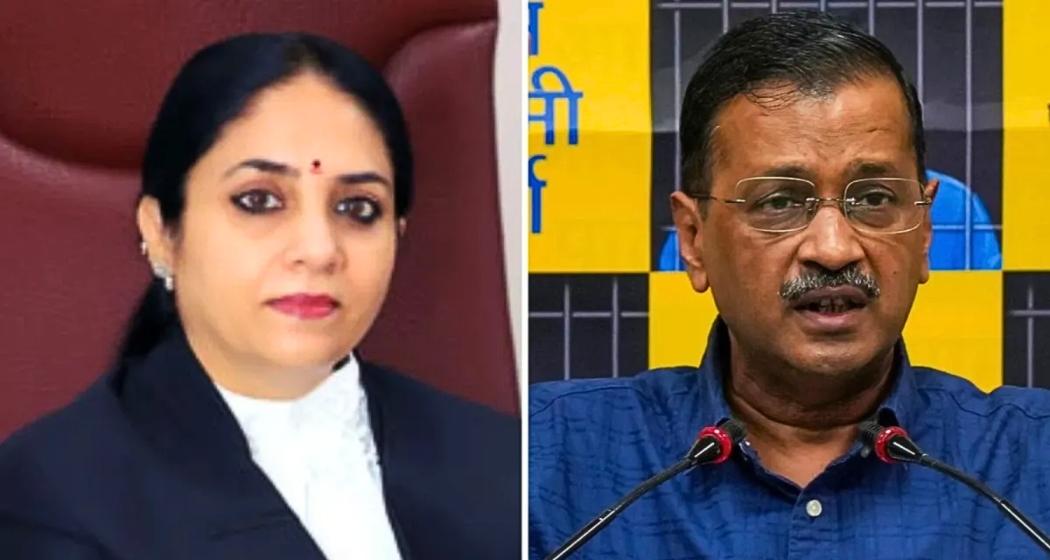
A Bench of the Delhi High Court on Monday refused to recuse from hearing the excise policy case involving AAP chief Arvind Kejriwal, ruling that judicial decisions must rest on law rather than “narrative” or personal apprehensions.
Justice Swarana Kanta Sharma dismissed pleas filed by Kejriwal and other accused, asserting that recusal cannot be granted merely because a litigant fears an unfavourable outcome. “Recusal has to stem from law, not narrative,” she observed, calling the moment a “defining” one for judicial independence.
The court said yielding to such requests would signal that institutions can be “bent, shaken and changed”, thereby setting a disturbing precedent. It added that allegations lacking substantive proof cannot meet the legal threshold required to establish bias.
Kejriwal had sought the judge’s withdrawal citing “apprehension of bias”, pointing to earlier adverse orders and alleging a conflict of interest over her children being empanelled as government lawyers. He also referred to her participation in events organised by a lawyers’ body linked to the Rashtriya Swayamsevak Sangh.
Rejecting these claims, Justice Sharma said professional engagements cannot be construed as political alignment and emphasised that impartiality is presumed in favour of judges unless proven otherwise. “Judicial integrity cannot be put to trial by a litigant,” she said.
The court cautioned that allowing recusal on tenuous grounds would erode trust in the judiciary and open the “floodgates” to similar demands. It underlined that judges cannot “abdicate responsibility” in the face of allegations, as doing so would weaken the institution itself.
The case arises from the alleged irregularities in Delhi’s excise policy, in which Kejriwal and others were earlier discharged by a trial court, a decision later challenged by the Central Bureau of Investigation.
With the recusal plea rejected, the High Court will now continue hearing the matter on merits.

 Follow us