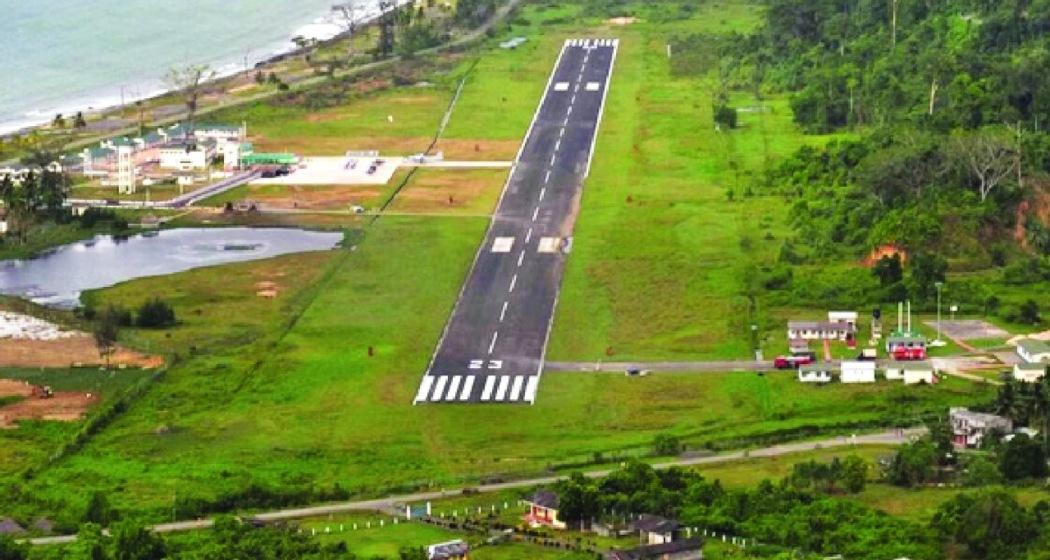
The Central government has approved the construction of a new greenfield civil-military airport in Great Nicobar Island at an estimated cost of Rs 13,000 crore. The project forms a crucial component of the larger Rs 81,000-crore Great Nicobar Island Development Project, which aims to transform the remote island into a major strategic and economic hub.
According to government sources, the airport will be built at Chingen, near Galathea Bay, and will serve both civilian and military aviation requirements. The decision marks a significant shift from earlier plans to expand the existing airstrip at INS Baaz in Campbell Bay.
Officials stated that the new airport will strengthen India’s infrastructure capabilities in the eastern Indian Ocean, while enhancing connectivity to one of the country’s most remote territories.
Strategic Importance in the Indo-Pacific
The proposed dual-use airport is expected to play a key role in India’s security architecture due to its proximity to the strategically important Malacca Strait, one of the world’s busiest maritime trade routes.
Defence officials believe the facility will significantly improve surveillance, logistics and rapid deployment capabilities across the Andaman and Nicobar archipelago. The airport will remain under the operational control of the Navy, while also accommodating civilian air traffic.
The authorities have projected a completion timeline of approximately five years, after which the facility is expected to become a critical asset for both national security and regional development.
Runway extension ruled out
The approval effectively ends plans to extend the runway at INS Baaz from 4,500 feet to nearly 10,000 feet. Preliminary assessments reportedly found that the expansion would face considerable geographical, environmental and safety challenges.
Officials indicated that extending the existing runway could have affected nearby forests, wildlife habitats and indigenous communities. In comparison, the greenfield airport was considered a more practical long-term solution capable of supporting future growth and infrastructure needs.
Environmental concerns remain
The airport project remains at the centre of a wider debate surrounding the Great Nicobar Island Development Project. Critics have raised concerns about potential ecological damage, including large-scale deforestation, impacts on coral reef ecosystems and the displacement of indigenous communities, like the vulnerable Shompen tribe.
Opposition leaders have questioned the environmental sustainability of the mega project, while the government maintains that all necessary safeguards are being considered. Officials continue to defend the initiative as a strategic investment that will boost connectivity, strengthen India’s Indo-Pacific presence and support long-term economic growth while balancing environmental responsibilities.
Also read: Great Nicobar project endangers unique biodiversity: Ramesh

 Follow us