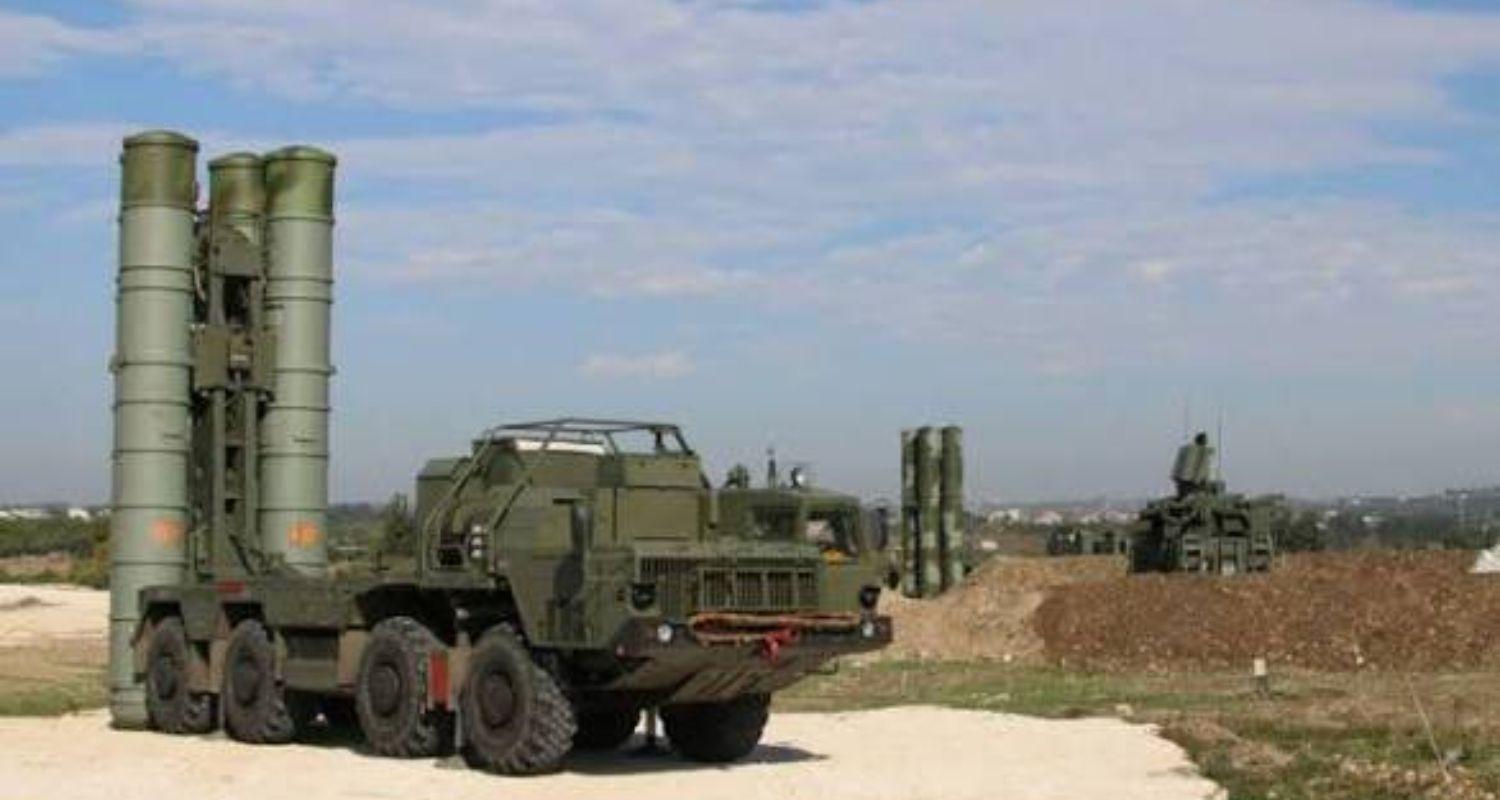
In a significant step towards bolstering the military ‘teeth’ in the country, the Defence Acquisition Council (DAC) on Friday cleared procurement proposals amounting to a staggering ₹2.38 lakh crore ($25 billion). The meeting, headed by Defence Minister Rajnath Singh, gave the ‘Acceptance of Necessity’ for a wide array of military hardware for the Army, Air Force, and the Coast Guard, making it a record-breaking year in defence spending in the country.
Taking to social media to announce the windfall, Singh noted that the decisions would "significantly enhance" India’s combat readiness. He pointed out that the current financial year has witnessed a historic surge in approvals, as the DAC has sanctioned 55 proposals amounting to ₹6.73 lakh crore in 2025-26 alone. The Minister described the signing of over 500 capital procurement contracts this fiscal as a "heartening" milestone in national security.
The Indian Army is set for a substantial upgrade in firepower and communication. Key approvals include the Dhanush Gun System to sharpen long-range artillery strikes and new armour-piercing tank ammunition. To shore up the borders, the Council also cleared an Air Defence Tracked System for real-time aerial monitoring and high-capacity radio relays to ensure secure battlefield communications. Furthermore, a new "runway independent" aerial surveillance system was approved to provide eyes in the sky across India’s most challenging terrains.
The Air Force is arguably the biggest beneficiary of Friday's session. The DAC has finally cleared the path for Medium Transport Aircraft to replace the ageing Russian-era AN-32 and IL-76 fleets. In a move to solidify India's air umbrella, the procurement of the S-400 long-range surface-to-air missile system was also formalised. The fleet of Su-30 fighter jets will also see a life-extension through a major engine overhaul programme, while new remotely piloted strike aircraft will be inducted to boost stealth reconnaissance and offensive capabilities.
The maritime front was not overlooked, with the Indian Coast Guard receiving the nod for new heavy-duty air cushion vehicles. these hovercraft are expected to significantly improve high-speed coastal patrolling and search-and-rescue operations. This latest multi-billion pound injection underscores the government's dual focus on modernising the armed forces while navigating a complex regional security landscape.
Also read: Army forges partnerships for UAV self-reliance

 Follow us