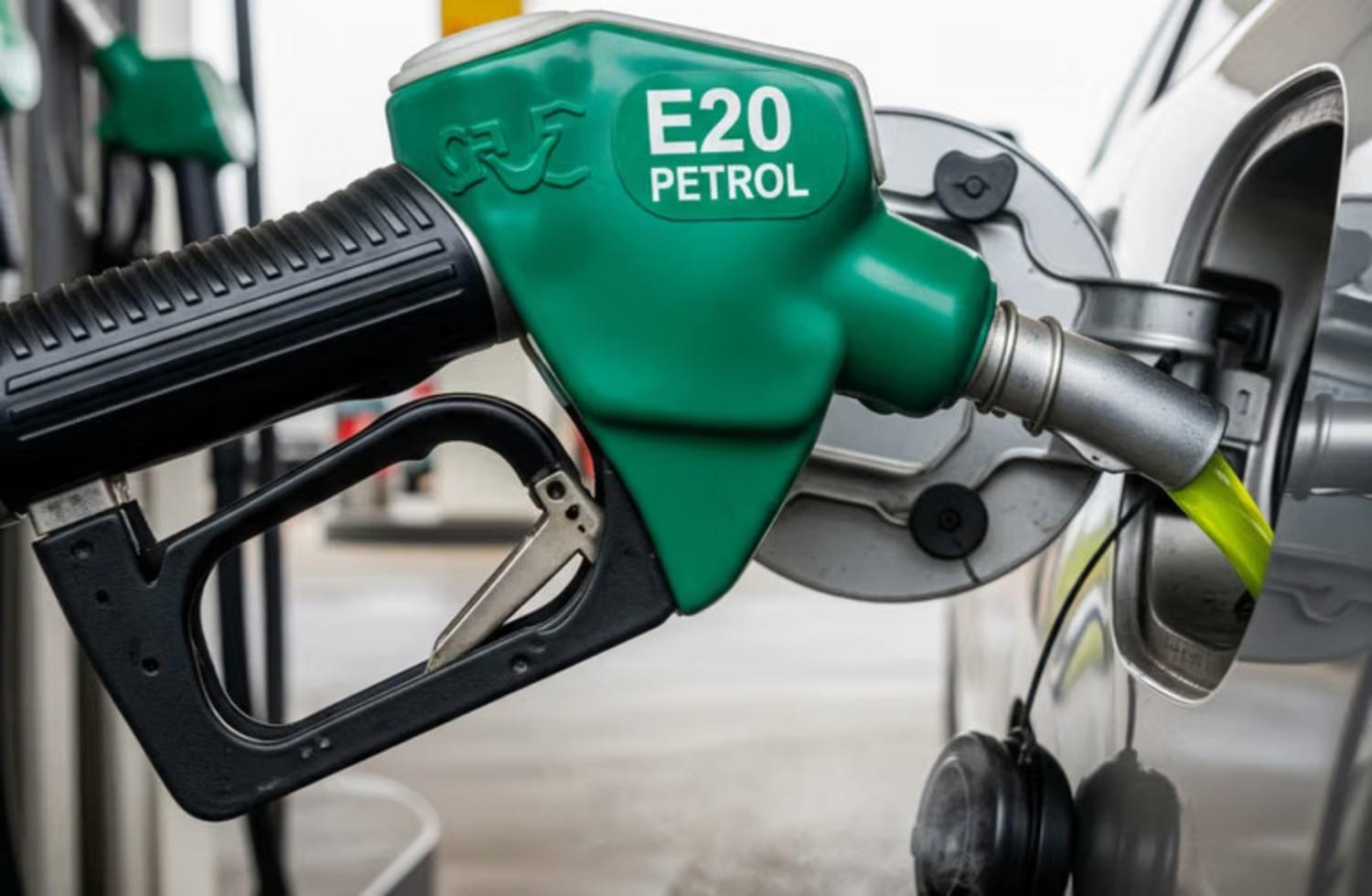
The Centre has dismissed what it sees as a series of misleading claims circulating on social media regarding ethanol-blended petrol, asserting that the Ethanol Blending Programme (EBP) is scientifically validated, rigorously tested and continuously monitored to ensure consumer safety and vehicle compatibility.
The Ministry of Petroleum and Natural Gas has said that certain individuals were spreading unsubstantiated claims and recirculating old images and videos to create unnecessary alarm among the public regarding ethanol-blended fuel.
The ministry emphasized that India’s ethanol blending initiative has been implemented through a carefully planned and scientifically evaluated process, with continuous consultation involving oil marketing companies, automobile manufacturers, fuel testing agencies and other stakeholders.
Refuting concerns about vehicle performance, the ministry said that no widespread incidents of engine failure or vehicle breakdowns linked to E20 petrol have been reported since the rollout of 20 per cent ethanol blending in 2023.
The Ethanol Blending Programme was launched in 2003 with the objectives of reducing dependence on imported crude oil, strengthening energy security and promoting cleaner fuels. The programme has since expanded in phases, culminating in the nationwide introduction of E20 fuel. The Ministry stressed that higher ethanol blending levels were introduced only after extensive technical assessments and consultations with automobile manufacturers and industry stakeholders.
One of the claims being widely circulated on social media concerns ethanol’s hygroscopic nature, or its tendency to absorb moisture.The Ministry clarified that water contamination is undesirable in any type of fuel and is not unique to ethanol-blended petrol. Modern vehicles, it said, are equipped with design safeguards that prevent water from entering fuel tanks under normal operating conditions.
The government also rejected social media videos that purportedly show sugarcane juice being mixed directly with petrol.According to the ministry, such content is misleading and lacks any scientific basis. The Ministry explained that fuel ethanol is produced through established industrial processes involving fermentation and distillation, which transform agricultural feedstocks into fuel-grade ethanol that meets stringent quality standards before blending with petrol.
In response, Bharat Petroleum Corporation Limited (BPCL) clarified that fuel-grade ethanol contains no residual sugars because the fermentation and distillation process removes them completely. BPCL further noted that fuel ethanol contains denaturants that are generally repellent to insects.
Several social media posts had suggested that the use of E20 petrol could affect vehicle insurance validity.The Ministry said these claims had been examined and clarified by relevant stakeholders and were found to be incorrect. It assured consumers that the programme is being implemented in a safe, transparent and consumer-centric manner, guided by scientific evidence, rigorous testing and ongoing stakeholder engagement.

 Follow us