


Trending:
Chandrababu Naidu: Pragmatism personified
As Andhra Pradesh Chief Minister N. Chandrababu Naidu turns 75, his five-decade-long political journey stands as a testament to pragmatism over ideological rigidity, reform over populism, innovation over inertia, self-belief over adversity, and personal discipline over distraction. Follow us
News Arena Network - Amaravati - UPDATED: April 20, 2025, 05:44 PM - 2 min read
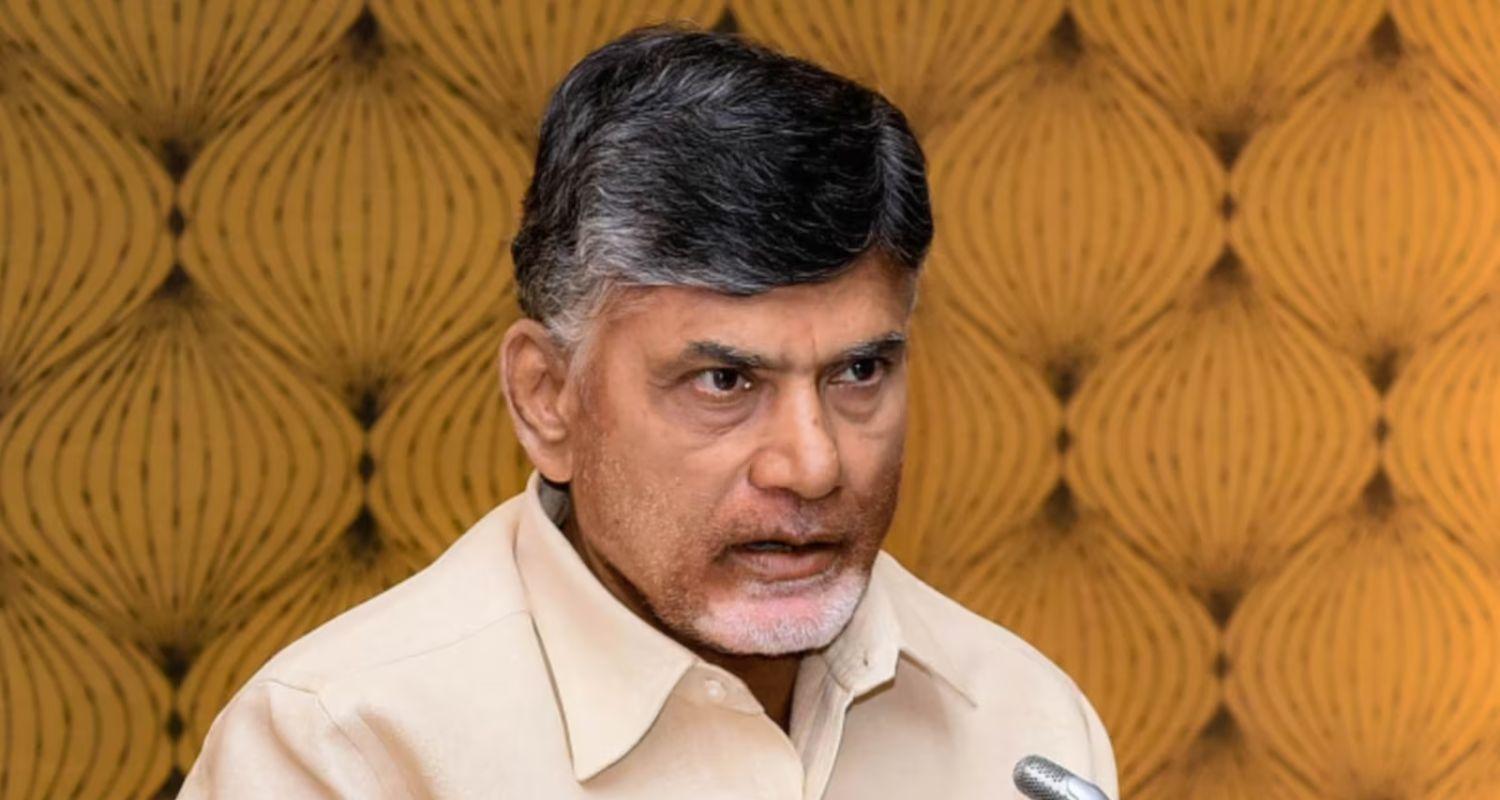
Image Chandrababu Naidu, CM Andhra Pradesh.
As Andhra Pradesh Chief Minister N. Chandrababu Naidu turns 75, his five-decade-long political journey stands as a testament to pragmatism over ideological rigidity, reform over populism, innovation over inertia, self-belief over adversity, and personal discipline over distraction.
The Telugu Desam Party (TDP) supremo is among the rare breed of regional leaders who has remained relevant in national politics for over three decades — playing a key role in both the United Front coalition and the NDA. At present, his party, with 16 MPs in the Lok Sabha, is the largest ally of the BJP-led coalition, critical to its stability and longevity.
Known for transforming Hyderabad into a global IT hub, Naidu stands apart for his consistent desire to reinvent himself, embrace a futuristic vision for both party and governance, and rise above personal and political setbacks.
Humble Origins
Born into a modest agricultural family in the drought-prone Rayalaseema region, Naidu rose to become a four-time Chief Minister and a key figure in national coalition politics. A political science graduate, he began his political career with the Congress Party in the 1970s before joining the TDP, founded by his father-in-law and iconic Telugu film actor N. T. Rama Rao.
Over time, Naidu emerged from NTR’s shadow, transforming the TDP into a modern political machine that reflected his administrative and technological ethos.
‘No Ism, Only Tourism’
“The era of isms has ended. The only ism relevant today is tourism,” Naidu would often quip at seminars and investor meetings during his tenure as Chief Minister of united Andhra Pradesh from 1995 to 2004. It was a period brimming with hope, as India embraced economic liberalisation.
Naidu became the poster boy of reforms, breaking the mould of the traditional Indian politician. While others leaned on populism and caste dynamics, Naidu focused on economic growth, digital governance, and infrastructure development.
In the 1990s, when India’s IT revolution was just beginning, Naidu embraced it with visionary zeal. He foresaw the emergence of a knowledge economy and positioned Hyderabad as a global technology destination.
His ability to attract tech giants like Microsoft and convince Bill Gates to invest in the state earned him the title “CEO of Andhra Pradesh” and accolades such as Time magazine’s ‘South Asian of the Year’ in 1999.
Unlike many regional leaders who remained confined to their states, Naidu became a national figure. His contributions during the United Front and NDA eras showcased his political acumen and ability to navigate the complexities of Delhi’s power corridors.
Naidu’s longevity is remarkable. While many of his contemporaries have faded from the political scene, he remains a dominant force. He attributes this to his highly disciplined lifestyle — a strict diet, long working hours (even in his 70s), and an almost monastic commitment to public life. Party leaders often lament his lack of hobbies or interests beyond work.
Flaws and Criticisms
Despite his achievements, Naidu is not without flaws. His reliance on bureaucracy and a top-down governance model have been widely criticised.
Although he has an eye for appointing capable officers, this often comes at the cost of alienating grassroots workers and weakening the party’s organisational structure.
His corporate style of functioning does not resonate with all, and his inconsistent stance during the Telangana statehood movement damaged his party’s standing in the region.
Like many family-run regional parties, the TDP is tightly controlled, with Naidu grooming his son Nara Lokesh, now a minister, as his political heir. Critics also point to the lack of second-rung leadership and the centralised nature of decision-making within the party.
Naidu’s speeches are another weak spot. Often peppered with technical jargon, they lack emotional resonance and can leave audiences disengaged.
Pragmatic Alliances
Naidu’s political choices have long been driven by pragmatism rather than ideology. Since assuming leadership of the TDP after a dramatic coup against NTR in 1995, he has aligned with both the Left and the Right at different times.
As convener of the United Front and a crucial player in the early NDA governments, Naidu was instrumental in policy formulation and choosing prime ministerial candidates. His party supported the NDA from outside for six years, contesting elections in alliance with the BJP in 1999 and 2004.
Following defeat in 2004, Naidu distanced himself from the BJP and courted the Left, only to return to the NDA ahead of the 2014 elections. His party joined the Modi-led government but withdrew support in 2018 after the Centre refused to grant special category status to Andhra Pradesh.
That same year, he forged an alliance with the Congress in an effort to build a national anti-BJP front. However, the voters were unconvinced, and the TDP suffered a crushing defeat in the 2019 elections.
Accusations of corruption, caste politics, skewed development, rising unemployment, and unfulfilled promises all contributed to the debacle. Jagan Mohan Reddy’s YSR Congress stormed to power on the back of public discontent.
The Comeback
Naidu faced the lowest point in his career when he was arrested in 2023 in connection with the Skill Development Corporation Scam — an act widely seen as political vendetta. He spent 52 days in jail.
Yet, his resilience proved greater than the setback. Capitalising on public anger and anti-incumbency, Naidu returned with a thumping victory in 2024, re-establishing the TDP as a central force in Andhra Pradesh and a key player at the national level.
What sets Naidu apart even today is his unyielding curiosity and focus on the future. From pioneering IT in the '90s to championing artificial intelligence and ‘Public-Private-People Partnership’ (P4) models now, he remains forward-looking. Whether it’s smart farming, digital classrooms or transparent governance, Naidu continues to see technology as the answer to India’s age-old challenges.
