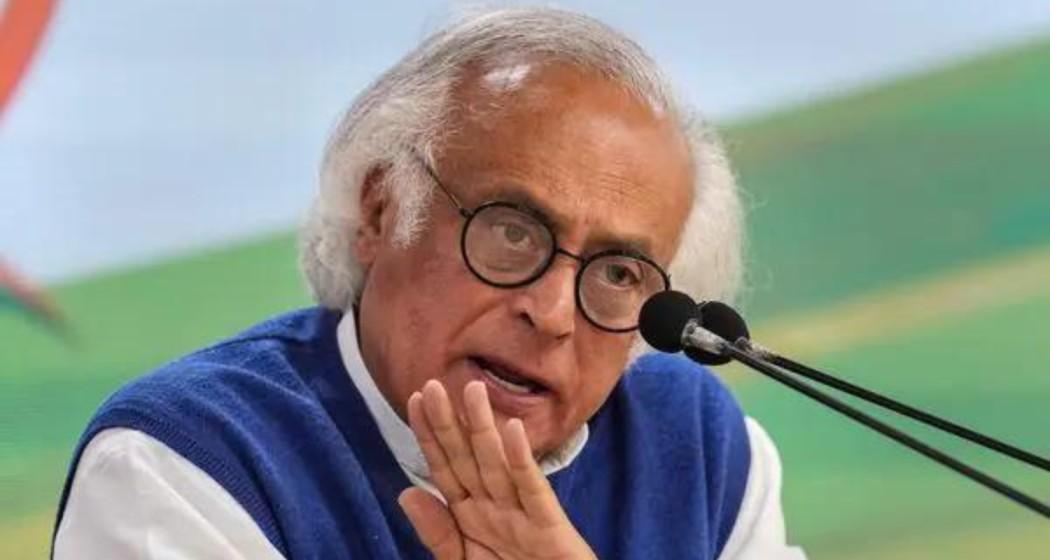
Congress general secretary Jairam Ramesh on Wednesday said the Cockroach Janata Party (CJP) movement reflects frustration among young people but stressed that political parties must ultimately take forward the issues being raised.
Speaking to PTI Videos, Ramesh said such movements may gain visibility and momentum on social media, but they cannot replace established political structures in a democracy.
“Some people say it is sponsored by the deep state, some say it is a reflection of youth frustration. There is no way to prove either. But the fact is, it caught social media space and got a lot of headlines. It is not a political party,” he said.
“It is political parties that ultimately count. It is the party structure that counts. So while it was an important vehicle for sending a message of frustration on the part of the youth, ultimately I think established political parties have to take this forward,” Ramesh added.
The CJP movement emerged on social media on May 16 following controversy around remarks made in connection with Chief Justice of India Surya Kant, which were interpreted by some as a comparison between unemployed youth and “cockroaches”.
Also read: CJP says Police shrinking protest space, 'diaper drive' announced
Since then, the movement has expanded its presence through protests, including an ongoing sit-in at Jantar Mantar in Delhi. Protesters have also held demonstrations such as a “diaper donation drive”, demanding the resignation of Union Education Minister Dharmendra Pradhan over alleged NEET-UG irregularities and paper leak concerns.
Ramesh said while such movements highlight public anger, democracies cannot function on agitation alone.
“Democracies are ultimately anchored in political parties. Movements have their place, but they cannot substitute for structured political engagement,” he said.
On the broader issue of examinations and education, Ramesh said the Congress has launched a campaign led by Leader of Opposition Rahul Gandhi, focusing on NEET-UG, CBSE issues and the wider concerns around India’s education system.
He said Gandhi has already addressed students in Kota and is scheduled to speak in Prayagraj, Patna and later in Delhi, highlighting what he described as structural problems in education.
Ramesh also pointed to what he called a “fundamental asymmetry” in the system, alleging that families are increasingly forced to spend more on coaching centres than what the government spends on education.
He said issues of rising private dependence in medical education, coaching dominance and exam stress must be debated both inside and outside Parliament.

 Follow us