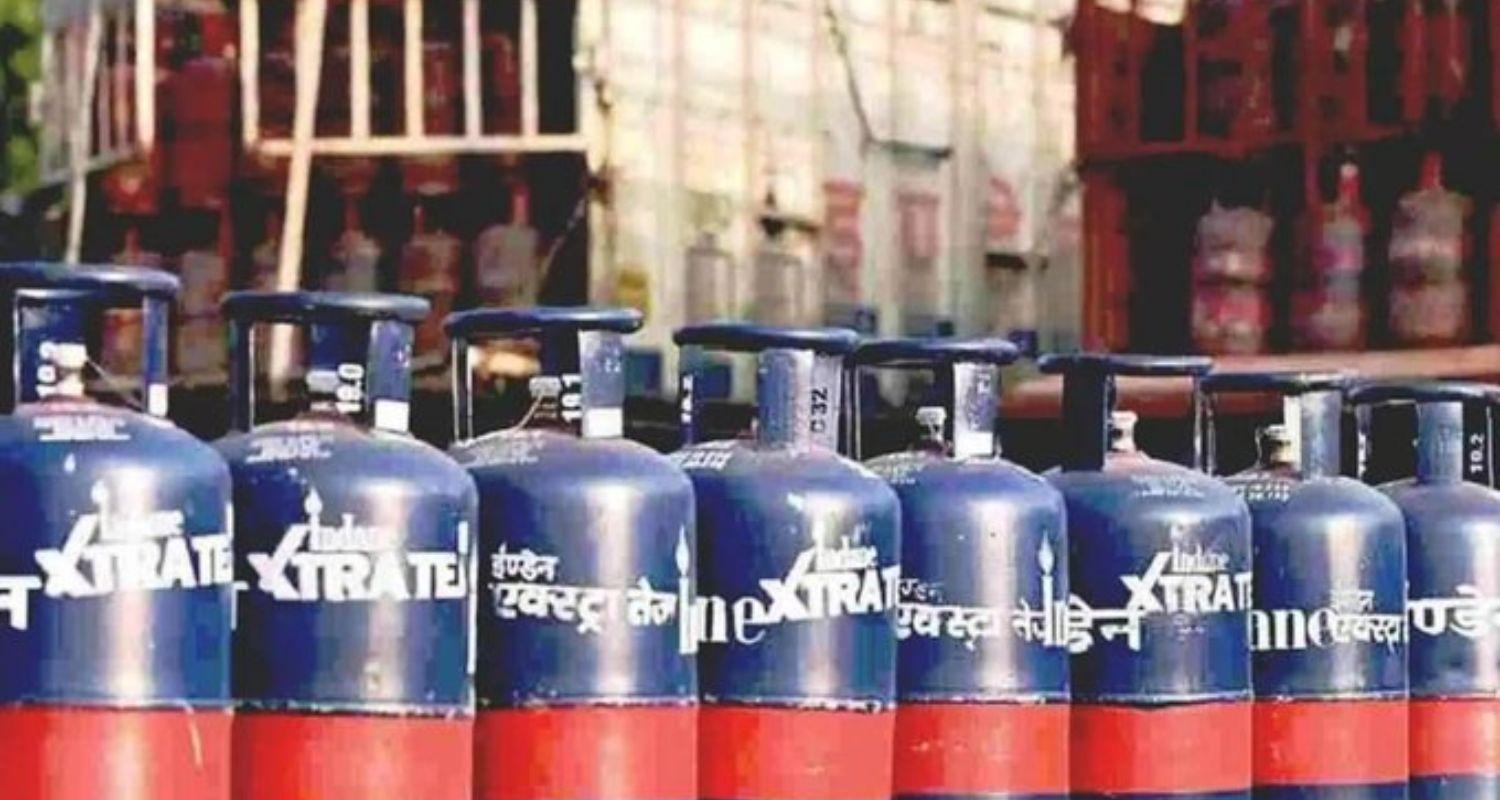
In a sharp blow to the hospitality sector, the cost of commercial LPG has surged significantly. Price for 19-kg commercial cylinders and 5-kg 'Chotu' mini cylinders were hiked by ₹993 and ₹261 respectively this Friday, according to reports. The Indian Oil Corporation confirmed the adjustment, noting that while these bulk and commercial units represent only a small fraction of their network's total consumption, the financial impact on businesses will be substantial.
Following the revision, a 19-kg cylinder in Delhi now commands a price of ₹3,071.50, while businesses in Mumbai will pay ₹3,024. The 5-kg domestic cylinders are currently retailing at approximately ₹339 in the capital. This latest surge is in keeping with an earlier trend observed during the previous month, thereby further piling up the problems for hotels, restaurants, and bakeries. Experts believe that there may soon be a trickle-down effect on consumers in the form of price increases on their menu bills.
The Indian National Congress criticised the Centre for raising the price of commercial LPG cylinders, accusing Prime Minister Narendra Modi of repeatedly increasing prices and placing a burden on businesses. The party referred to Modi as “Inflation Man Modi” in a post on X, stating that the price hike adds to a series of increases over the past four months.
In a move to shield the broader public from global market volatility, state-owned oil firms have opted to keep the prices of petrol, diesel, and domestic 14.2-kg LPG cylinders stable. Indian Oil Corporation emphasised that nearly 90 per cent of consumers — including those relying on PDS kerosene — will see no change in their daily fuel expenses. Overall, the prices for roughly 80 per cent of petroleum products have remained untouched to maintain economic stability.
The aviation sector presents a mixed picture. Although Aviation Turbine Fuel (ATF) rates for domestic carriers have been held steady to protect airlines and passengers from rising input costs, prices for international operators have been increased.
The corporation described the latest pricing strategy as a "calibrated approach," limiting hikes to industrial segments that account for a minority share of total consumption. While about 16 per cent of products — largely industrial fuels — saw an increase, a small portion of the market actually witnessed a price decrease, reflecting the complex fluctuations currently characterising the global energy landscape.
Also read: Supply disruptions drag India's LPG consumption down 13 pc

 Follow us