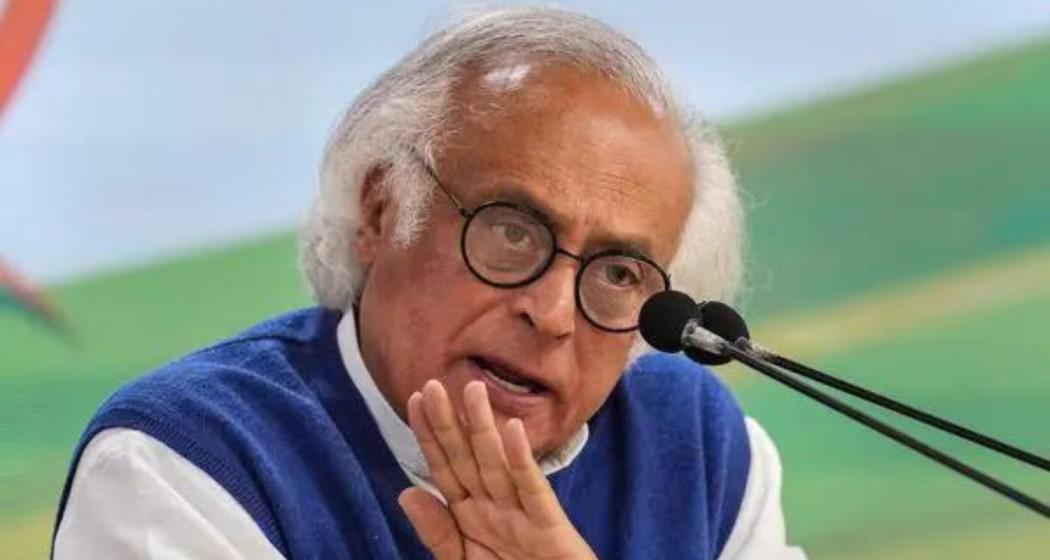
The Congress on Saturday accused the Narendra Modi-led government of failing to condemn the ongoing US-Israel aerial assault on Iran, terming the silence a reflection of “moral cowardice” and a betrayal of India’s civilisational values.
Congress general secretary (communications) Jairam Ramesh said the Centre had neither criticised nor sought to diplomatically intervene in the escalating conflict, even as hostilities entered their third week.
In a statement shared on X, Ramesh noted that it had been 21 days since the aerial offensive by the United States and Israel began against Iran. He also pointed out that 23 days had passed since Prime Minister Narendra Modi returned from his “much-trumpeted” visit to Israel.
Raising a series of questions, Ramesh asked whether the government had condemned the sustained bombardment that has triggered widespread economic disruptions, including in India. “The answer is NO,” he said, repeating the refrain across multiple points.
He further questioned whether New Delhi had criticised the targeted assassinations of senior Iranian leaders, or the attempts by Washington and Tel Aviv to force regime change in Tehran, developments he warned could lead to state collapse and civil war. On each count, he asserted, the government’s response had been absent.
Also read: Trump considers ending Iran war, urges others to guard Hormuz
Ramesh also asked whether India had initiated any serious diplomatic efforts to halt the conflict, including engaging key global players to secure an immediate ceasefire. He questioned whether Modi had leveraged his personal rapport with US President Donald Trump and Israeli Prime Minister Benjamin Netanyahu to de-escalate tensions.
“These four NOs reflect the moral cowardice and political betrayal of India’s civilisational values,” Ramesh alleged.
The remarks come amid a deepening conflict in West Asia, with no signs of de-escalation. Israel has said Iran continued missile strikes early Saturday, while Saudi Arabia reported intercepting multiple drones over its eastern region, home to key oil installations.
Iran has also targeted energy infrastructure across Gulf countries and has issued threats extending to recreational and tourist sites globally, raising fears of a broader regional fallout.
Meanwhile, the United States has stepped up its military presence, deploying additional warships and around 2,500 Marines to the region. The conflict, now in its third week, has resulted in significant casualties, with over 1,300 reported dead in Iran and more than 1,000 in Lebanon. Israel has reported 15 deaths, while 13 US military personnel have also been killed.
With millions displaced across affected regions, concerns are mounting over the humanitarian and economic consequences of a prolonged war, even as diplomatic efforts to halt the violence remain limited.

 Follow us