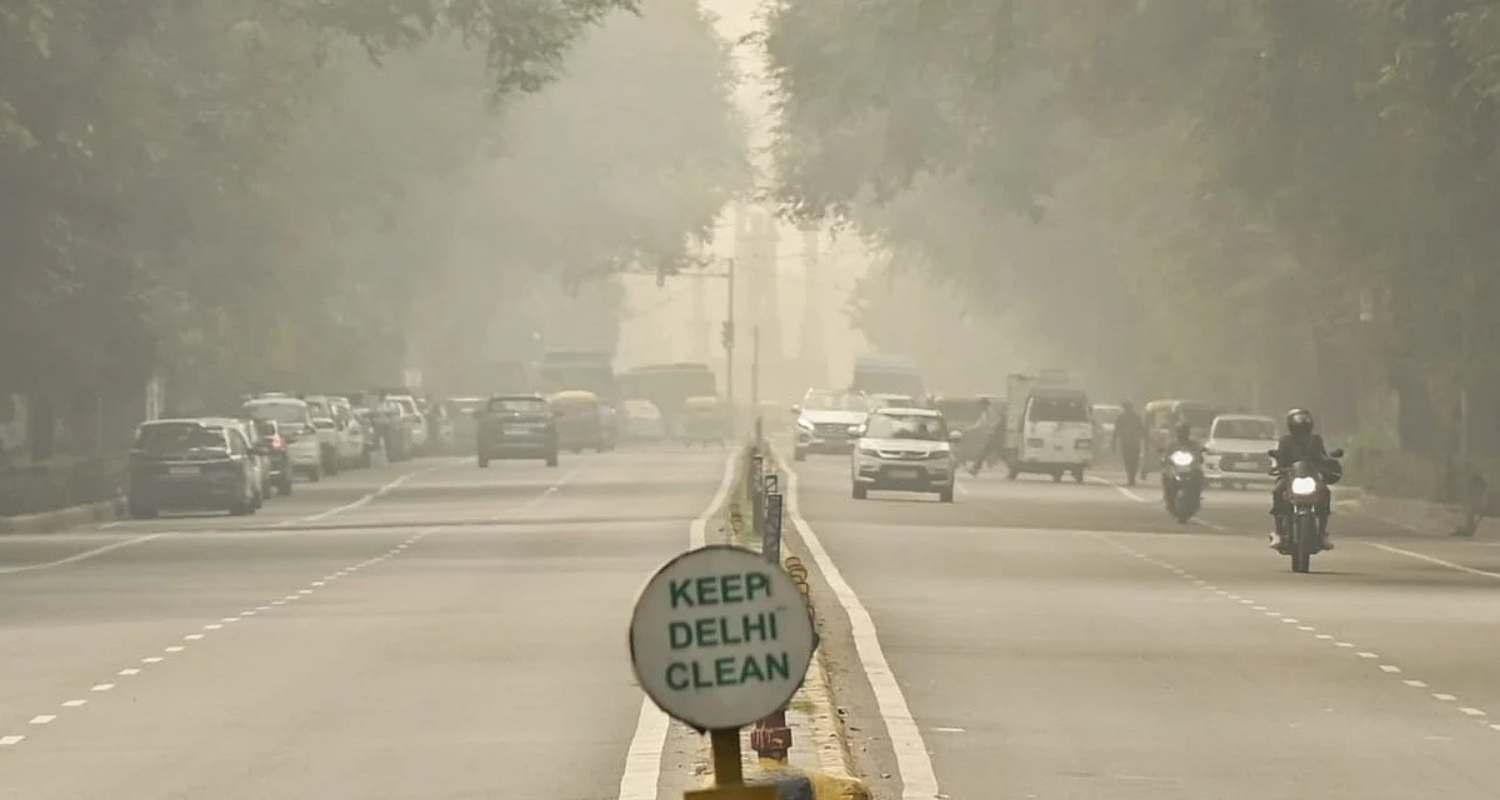
Delhi residents woke up on Wednesday to yet another morning of “very poor” air quality, with the overall pollution levels showing a slight deterioration compared to the previous day.
According to the latest figures from the Central Pollution Control Board’s (CPCB) Sameer app, Delhi’s average Air Quality Index (AQI) stood at 376 around 7 a.m. on Wednesday — perilously close to the “severe” threshold and marginally higher than Tuesday’s 24-hour average of 372. This reading firmly places the city in the “very poor” category, teetering on the edge of hazardous air.
A thick blanket of smog enveloped most parts of the capital. Among the worst-affected areas, Chandni Chowk recorded the highest AQI of 431, officially entering the “severe” category as per CPCB standards. Jahangirpuri followed closely with an AQI of 406, while the area around Jawaharlal Nehru (JLN) Stadium registered 405.
The deterioration reversed a brief respite the city had experienced over the weekend. After 24 consecutive days of “very poor” air from early November, strong northwesterly winds on Sunday, November 30, finally broke the streak, pushing the AQI down to the “poor” category and bringing clearer skies not only to Delhi but also to neighbouring cities such as Noida and Ghaziabad in Uttar Pradesh and Gurugram and Faridabad in Haryana. However, the relief proved short-lived, with pollution levels climbing again from Monday morning.
As a reminder of what the numbers mean, the AQI scale used by the CPCB ranges from 0 to 500 and is divided into six categories:
- 0–50: “Good” – minimal or no health impact
- 51–100: “Satisfactory” – acceptable air quality, though some pollutants may cause slight discomfort to sensitive groups such as children, the elderly, and people with respiratory conditions
- 101–200: “Moderate” – rising pollution that may cause breathing difficulty for people with lung or heart diseases and asthma
- 201–300: “Poor” – prolonged exposure can cause respiratory discomfort to the general population on extended exposure
- 301–400: “Very Poor” – continued exposure can lead to respiratory illness even in healthy people
- 401–500: “Severe” – affects everyone; healthy individuals may experience serious health effects, and those with pre-existing conditions face aggravated symptoms
With Wednesday’s reading of 376 and several monitoring stations already crossing into the “severe” zone, Delhi once again finds itself on the brink of the most dangerous air-quality category as winter tightens its grip.
Also Read: Delhi mothers petition NHRC over poor AQI

 Follow us