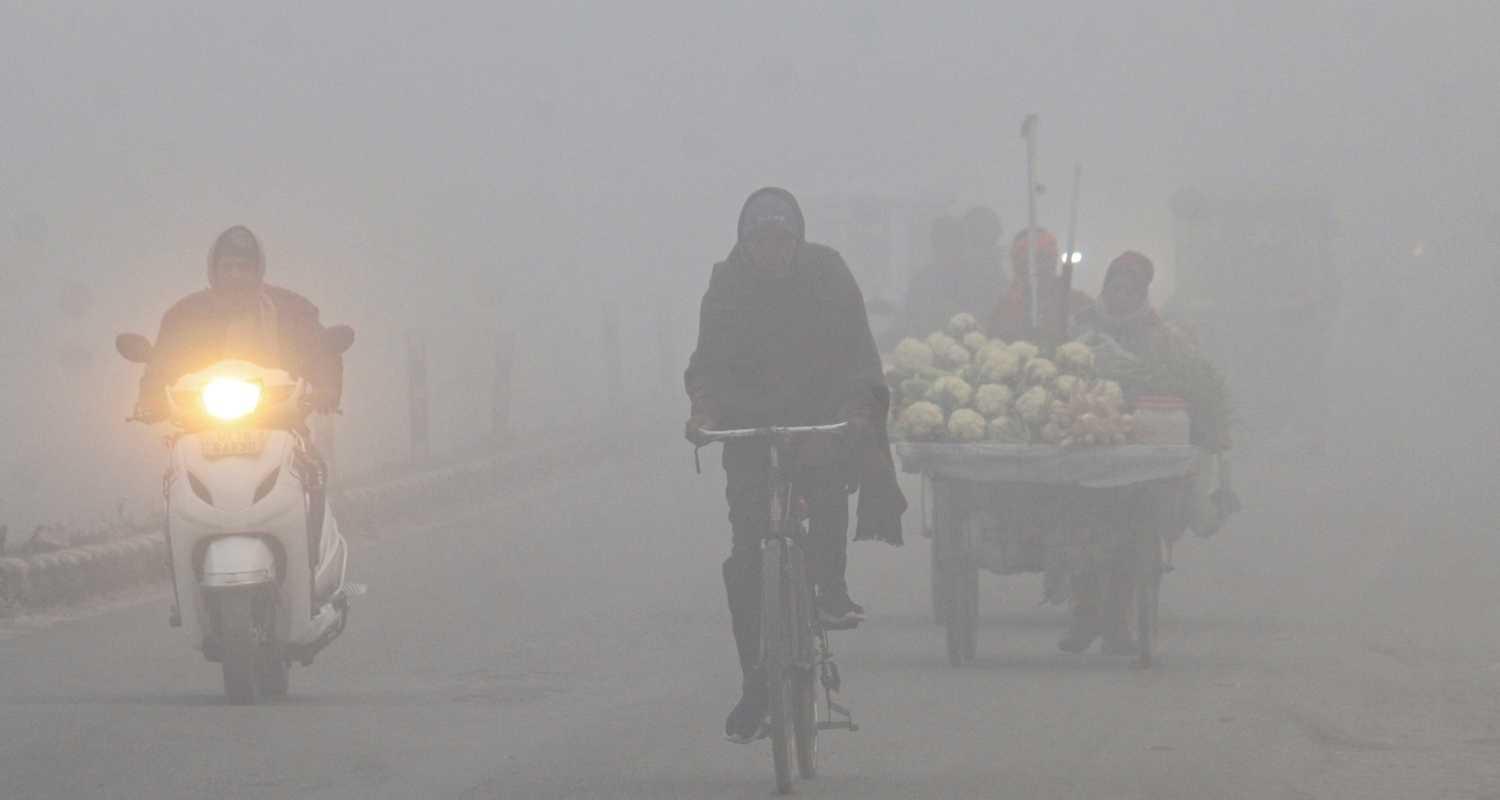
In response to the ongoing air pollution crisis in Delhi, the government has directed all companies—both public and private—to operate with 50 per cent of their workforce in work-from-home mode. It has issued a stern warning that violations of this directive will result in fines.
On December 15, the capital recorded one of the worst air quality levels this season, with the AQI reaching 498 in the 'severe plus' category during the morning hours. This sharp decline continued from the previous day, when air quality initially entered the 'severe' category before escalating to 'severe plus', as per data from the Central Pollution Control Board (CPCB). The escalating crisis prompted the Commission for Air Quality Management (CAQM) to promptly activate Stage IV of the Graded Response Action Plan (GRAP)—the most stringent set of anti-pollution measures—across the national capital in an effort to address the emergency.
In its latest measure, the Delhi government has announced a compensation of Rs 10,000 for registered construction workers who are currently out of work due to the ongoing ban on construction activities imposed under the prevailing anti-pollution restrictions.
Thick, blinding smog enveloped the capital from Saturday through Monday, resulting in numerous road accidents, vehicle pile-ups, and widespread flight cancellations and delays. Visibility dropped significantly, forcing the Delhi airport and airlines to issue public advisories.
After three consecutive days of severe conditions, the city experienced slight relief on Tuesday, as stronger winds and reduced fog helped disperse pollutants, bringing air quality down to the very poor category. This improvement has been sustained as of the time of this report.
Also Read: Delhi continues to choke as AQI remains ‘very poor’

 Follow us