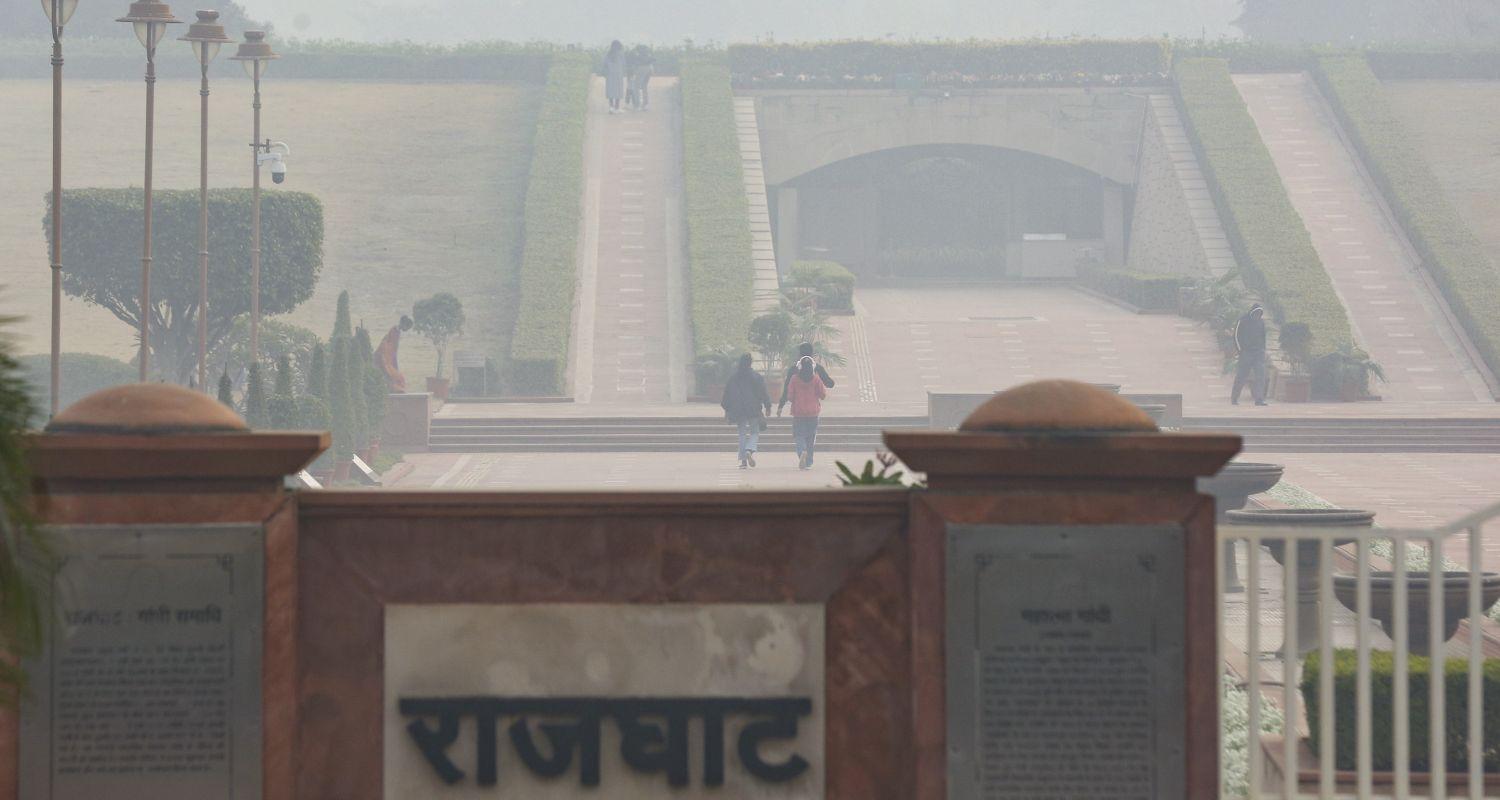
An analysis of the air pollution in Delhi during 2025 pegged the capital city’s PM10 concentration to have been at the highest annual average in the country at 197 micrograms per cubic metre, which is nearly three times the national standard of 60 micrograms per cubic metre.
A report by the Centre for Research on Energy and Clean Air (CREA) said the Union Territory exceeded the PM10 standard on 285 days last year, while it was the second most-polluted city in India for PM2.5 in the same year, with an annual average concentration of 96 micrograms per cubic metre, which is almost twice the national standard of 40 micrograms per cubic metre.
Delhi exceeded the daily PM2.5 standard on 212 days in 2025, the report said, indicating prolonged exposure to hazardous air. The analysis said PM2.5 levels remain high across the National Capital Region, with 12 out of 14 NCR cities breaching the PM2.5 standard.
The capital was also rated among the weakest performer in utilisation of clean air funds, with only 33 per cent of the allocated amount spent, the report said, Of the ₹13,415 crore released under the National Clean Air Programme and Fifteenth Finance Commission grants so far, only ₹9,929 crore was utilised.
Meanwhile, Delhi was among the cities that have completed a source apportionment study, the report said.
Also Read: Delhi air quality improves to ‘poor’
The last day of the Winter Session of the Delhi Assembly on Friday saw heated exchange between the ruling Bharatiya Janata Party (BJP) and the Opposition, Aam Aadmi Party (AAP), over the air pollution crisis in the capital, with Environment Minister Manjinder Singh Sirsa accusing the former AAP government for the air pollution crisis that bred from “years of inaction”.
Accusing the former government of shifting focus from “publicity-driven” measures to tackling the pollution at its source, he said while the previous government had spent “hundreds of crores on odd-even and smog towers”, the BJP government had used the same resources to “repair roads, reduce garbage mountains and address real sources of pollution”.
He said assessments by global agencies on the city’s pollution “exposed the complete failure” of the AAP government. In response, AAP MLA and former Environment Minister, Gopal Rai, said the BJP was hiding its own failures behind selective criticism. “Why doesn’t the government talk about its failed artificial rain experiment despite spending crores?” he asked.
To this, Delhi CM Rekha Gupta said “Delhi is moving from a gas chamber to a green Delhi” as funds were being released to the Municipal Corporation of Delhi for garbage and road-cleaning efforts.
Meanwhile, the CREA report concluded that seven years into the NCAP, cities including Delhi remain far from meeting air quality standards, and the programme’s intended 40 per cent PM10 reduction target is no longer achievable within its current time frame.
It called for a shift in focus towards PM2.5, stricter emission controls and a regional airshed-based approach to tackle air pollution in Delhi and surrounding areas.
The National Clean Air Programme (NCAP) was launched by the Centre in 2019 to improve air quality in 130 non-attainment and million-plus cities, with a focus on reducing particulate pollution.
The programme initially targeted a 20-30 per cent reduction in PM10 levels by 2024-25 compared to 2017-18 levels, which was later revised to a 40 per cent reduction or meeting national standards by 2025-26, through city-specific action plans and coordinated funding support.

 Follow us