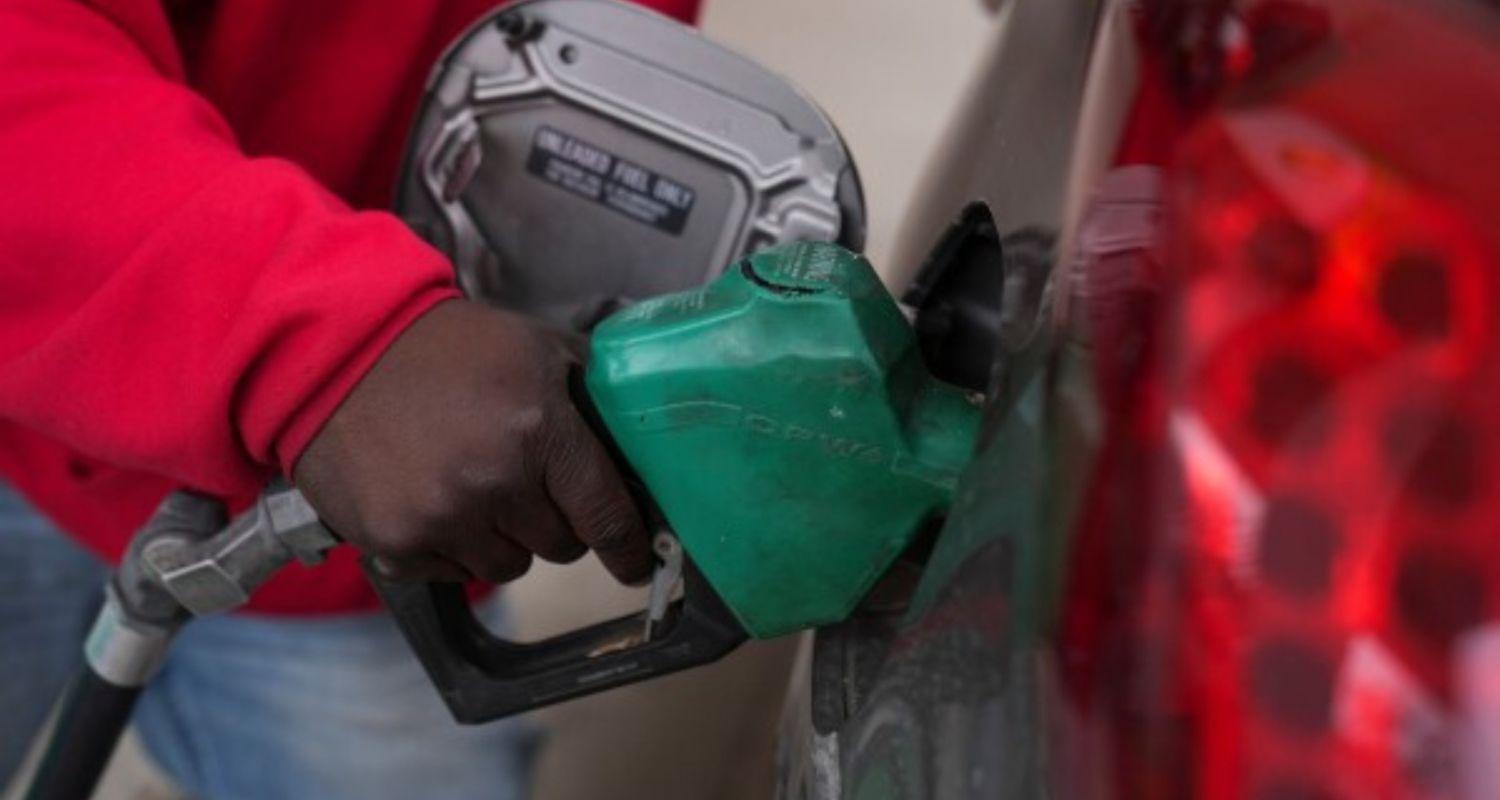
The government on Tuesday told the Supreme Court that the nation's 20 per cent ethanol blending programme in petrol remains an ongoing experiment, with the full impact of the policy expected to become clearer by next year. The remarks come amidst a wider debate over the initiative, as a section of the public, particularly motoring enthusiasts, have voiced concerns that higher levels of ethanol could damage older engines and reduce fuel efficiency. Conversely, the government has sought to ease these anxieties by highlighting that there is no hard evidence linking E20 petrol to mechanical damage, maintaining that the policy ultimately benefits India’s energy security, farming community, and the wider environment.
Attorney General R Venkataramani made the submission during a hearing on a petition filed by Bharat Petroleum Corporation Limited (BPCL), which is challenging a Karnataka High Court order regarding ethanol allocation for the 2025–26 supply year. BPCL argued that the High Court's ruling could hamper the broader national goal of achieving 20 per cent ethanol blending. Venkataramani informed the court that the 20 per cent blend is an ongoing government experiment that will yield definitive results by next year. When the Supreme Court questioned why BPCL had not approached a division bench of the High Court first, the Attorney General explained that supply contracts had already been finalised in October 2025 and that similar petitions were pending across multiple high courts, creating a risk to national policy. He requested permission to file a transfer petition to resolve the issue before the contracts come up for renewal this October, noting that navigating individual high courts would cause severe delays.
Following the hearing, the Attorney General clarified that the 20 per cent blending mix is a firm policy decision that is highly unlikely to change, though the exact volumes allocated to specific companies might fluctuate based on demand. India met its 20 per cent blending target last year, five years ahead of the original schedule, with oil marketing companies distributing the blended fuel nationwide since April 1. Looking ahead, the government has set a target to increase the ethanol blend in petrol to 30 per cent by 2030.
The court hearing occurred less than a week after the Union Oil Ministry defended the programme as safe, consumer-friendly, and economically beneficial, dismissing separate rumours that using E20 fuel could invalidate vehicle insurance policies. In a statement issued on June 24, the Ministry confirmed it had reviewed these insurance concerns with stakeholders and found them to be entirely groundless. Highlighting that ethanol blending is a globally accepted practice used successfully in nations like the US, Brazil, and Japan, the Ministry added that the programme has already saved India more than Rs 1.4 lakh crore in foreign exchange by curbing crude oil imports, playing a vital role in reducing carbon emissions and transitioning towards cleaner mobility.
Also read: SC declined urgent hearing on Ram Mandir donations probe PIL

 Follow us