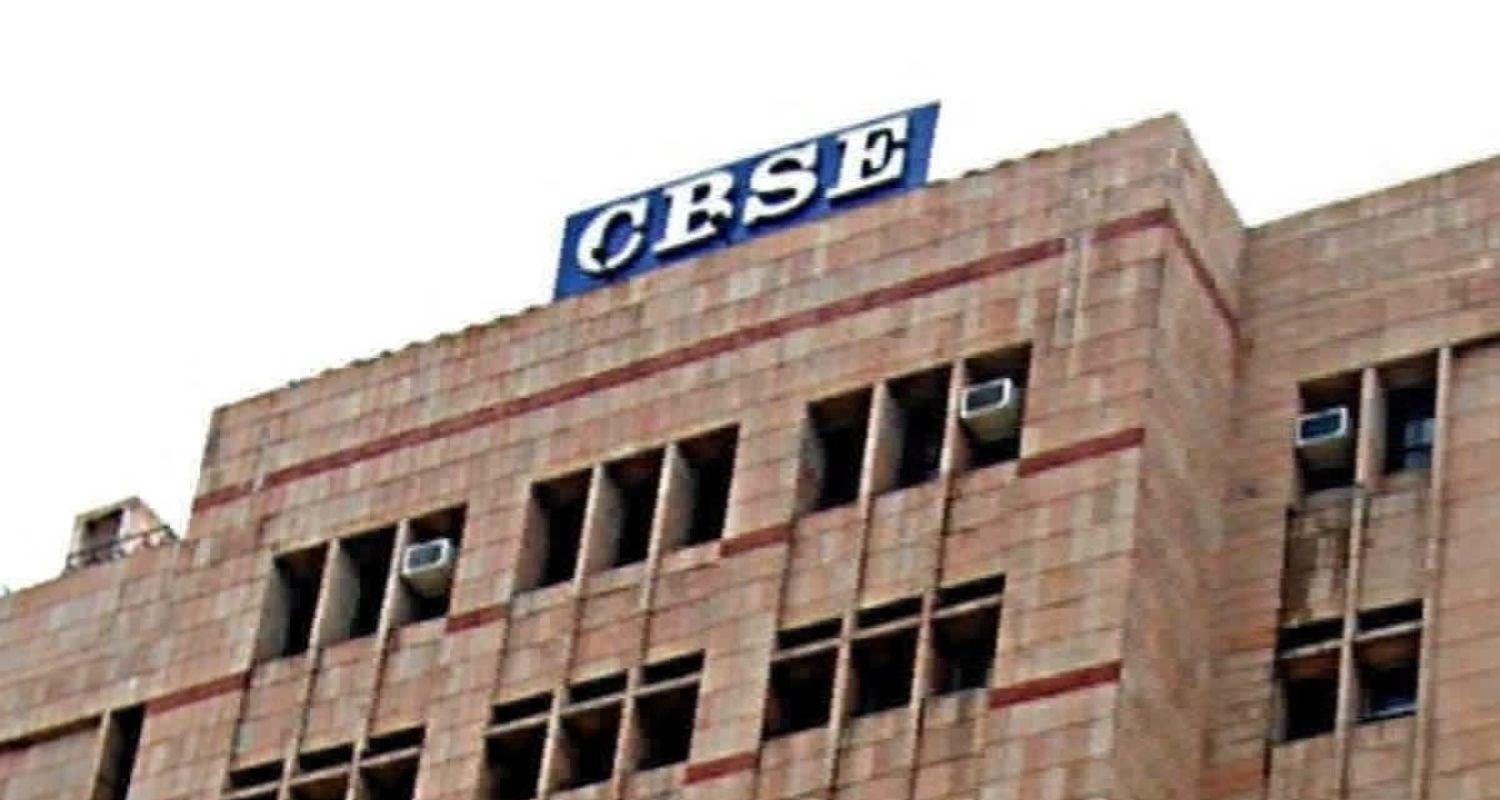
The Central Board of Secondary Education (CBSE) on Wednesday rejected reports circulating in parts of the media claiming irregularities in the evaluation process under its On-Screen Marking (OSM) system, calling them ‘factually incorrect’.
In a post on X, the Board clarified that allegations suggesting answer books were not properly scanned due to inadequate preparation and lack of time were completely baseless. “A claim is circulating in the media that the scanning of answer books under OSM was not carried out properly due to inadequate preparation and paucity of time. This claim is factually incorrect,” CBSE officials said.
The Board further stated that all stages of the OSM-based evaluation process—including scanning of answer sheets, quality verification, marking and final assessment—were carried out strictly as per established procedures and under continuous monitoring and supervision.
Also read: Meta, Amazon layoffs leave Indians battling visa deadline
It also emphasised that CBSE remains a responsible national-level institution committed to maintaining fairness, transparency and integrity in the examination and evaluation system. The Board urged students, parents and stakeholders not to rely on unverified reports and instead refer only to official sources for accurate information.
“CBSE is a responsible national institution committed to ensuring fairness, transparency and integrity in the examination and evaluation process,” the statement added. The clarification comes shortly after CBSE announced the Class 12 examination results on May 13, in which more than 85 per cent of students cleared the exams. The results also indicated a marginal decline of over three percentage points in the overall pass percentage compared to the previous year.
For the first time, CBSE implemented a full-scale evaluation of Class 12 answer sheets using the On-Screen Marking (OSM) system, marking a significant shift towards digital assessment of board examinations. The system involves scanning physical answer sheets and allowing evaluators to mark them electronically, aimed at improving efficiency, transparency and accuracy in evaluation.
The Board has maintained that the entire process was conducted under strict protocols and that adequate preparation was undertaken before rolling out the system at scale.

 Follow us