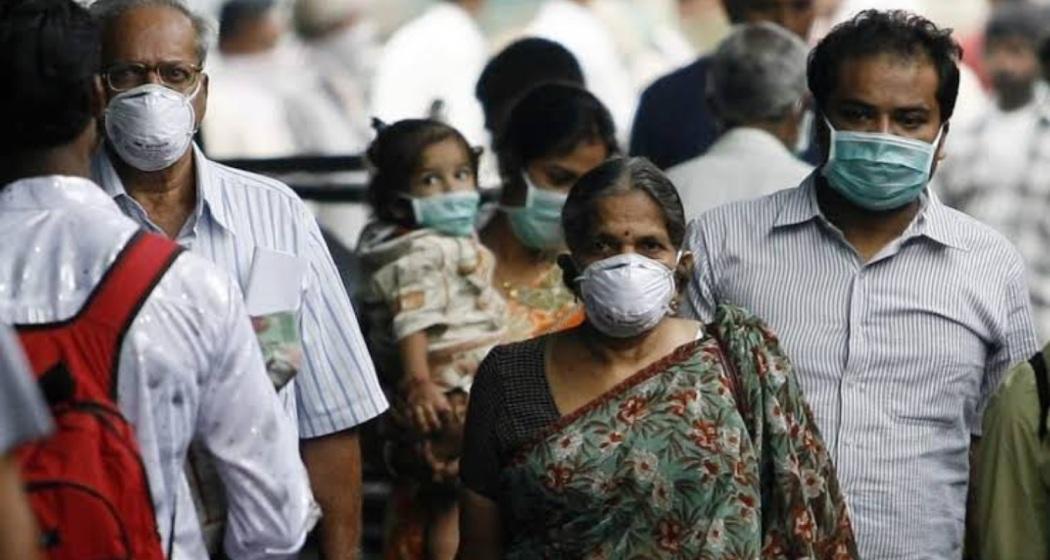
Delhi-NCR is witnessing a sharp rise in H1N1 influenza cases, with the national capital recording 1,449 infections up to August 12, more than six times the 229 cases reported during the same period last year. The surge, accompanied by other respiratory infections, has prompted Union Health Minister JP Nadda to review the country's preparedness, with a particular focus on Delhi.
The rise has been reported amid humid and fluctuating weather conditions during the monsoon, which have contributed to an increase in seasonal respiratory illnesses. On Thursday, Delhi recorded 159 fresh influenza cases, including 114 H1N1 infections, according to reports.
While most H1N1 patients recover with supportive care, doctors have reported some patients developing breathing difficulties and falling oxygen levels. Severe cases can affect the lower respiratory tract and lead to complications such as pneumonia. However, doctors have stressed that not every H1N1 infection results in serious respiratory complications.
Common symptoms include sudden fever, dry cough, sore throat, body aches, headache, chills and fatigue. Health authorities have advised people with persistent or worsening symptoms, particularly breathlessness, to seek medical attention.
Also read: H1N1 hits hard: Delhi-NCR residents face breathing issues
The infection is being reported across Delhi-NCR, alongside a broader increase in respiratory illnesses. Doctors and healthcare workers have also been among those testing positive, highlighting the increased transmission of seasonal infections in the region.
Against this backdrop, Nadda on Friday held a review meeting with Delhi Health Minister D Pankaj Kumar Singh and officials to assess the influenza situation and preparedness.
The meeting covered national surveillance and epidemiological trends, influenza-like illness (ILI) and severe acute respiratory infection (SARI) data, testing and laboratory surveillance, and the ability of healthcare facilities to manage seasonal influenza cases.
Preparedness of Delhi hospitals was also reviewed, including the availability of beds, critical-care facilities and essential medical supplies. Nadda emphasised continued vigilance, stronger surveillance and proactive preparedness, with authorities asked to closely monitor influenza trends.
The Delhi government has maintained that there is no cause for panic, while health authorities have been directed to strengthen surveillance and preparedness.
H1N1, commonly known as swine flu, is caused by the Influenza A(H1N1) virus and primarily affects the respiratory system. Vulnerable groups can face a higher risk of complications, making early medical attention important when symptoms become severe.

 Follow us