The escalating conflict involving Iran, the United States and Israel has triggered fresh concerns over the vulnerability of global internet infrastructure, with experts warning that damage to undersea cables in key maritime chokepoints could severely disrupt connectivity worldwide.
The focus has shifted to the Strait of Hormuz and the Bab el-Mandeb, two narrow passages that not only carry a significant share of global oil shipments but also host a dense network of fibre-optic cables critical to international data flows.
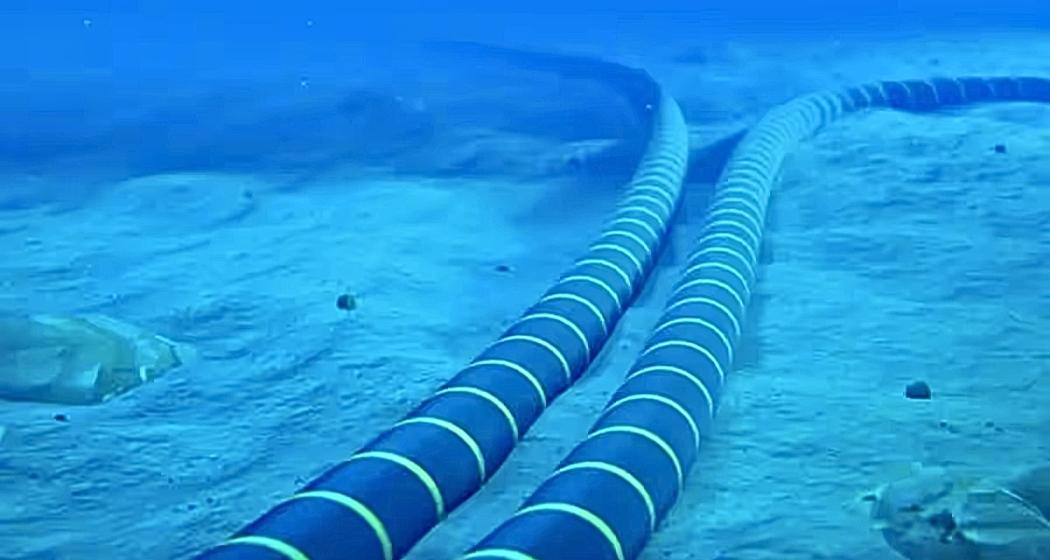
Iran’s reported mining of the Strait of Hormuz has already halted shipping traffic, raising fears that any escalation could also impact the cables lying beneath these waters. These subsea links carry nearly all global internet traffic, supporting services ranging from financial transactions and cloud computing to communication networks and artificial intelligence systems.
Industry data suggests that at least 17 submarine cables pass through the Red Sea, while several key systems — including AAE-1, FALCON, Gulf Bridge International and Tata’s Gulf cable, traverse the Persian Gulf region, forming vital digital links between Asia, Europe and Africa. These networks are particularly crucial for India’s overseas data connectivity.
Also read:
Experts caution that while a deliberate attempt to cut cables remains uncertain, even accidental damage caused by naval activity, sea mines or strikes could have far-reaching consequences. Repair operations, which rely on specialised vessels, are currently considered too risky due to ongoing hostilities.
Past incidents highlight the risks. In 2024, attacks linked to Houthi groups in the Red Sea damaged multiple cables, slowing internet speeds across parts of Asia and Africa and taking months to repair due to restricted access.
Analysts warn that simultaneous disruption at both chokepoints would force data traffic to reroute through longer, less efficient paths, leading to slower speeds, higher costs and potential outages. Critical sectors such as banking, stock markets, healthcare and digital services would be among the hardest hit.
While the cables remain operational for now, the convergence of military tensions, blocked sea routes and limited repair access has heightened the risk of a major digital disruption, underscoring the fragile underpinnings of the global internet.

 Follow us