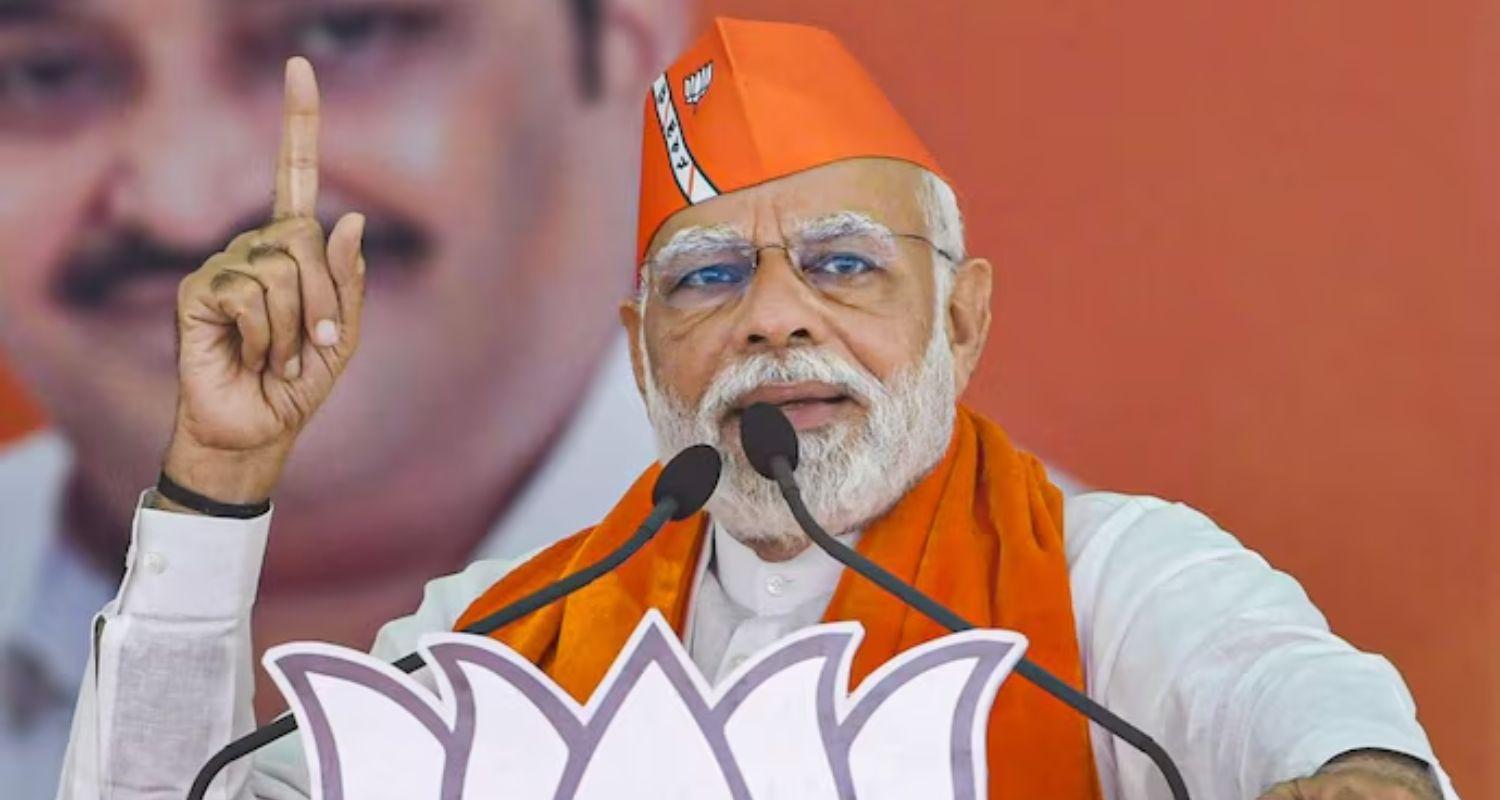
In a direct and stinging challenge to the Mamata Banerjee administration, Prime Minister Narendra Modi turned his Sunday rally in Singur into a referendum on women’s safety and "corrupt" governance. Using the backdrop of the upcoming assembly elections, Modi urged voters to use their ballots to prevent a recurrence of the Sandeshkhali unrest and the tragic RG Kar hospital incident, which he framed as symptoms of a failing state.
"Under Trinamool Congress’ rule, daughters are not safe," the Prime Minister told the crowd, further alleging that West Bengal's education system has been hijacked by "mafias." He argued that a vote for the Bharatiya Janata Party is the only way to end what he described as a "jungle raj" and to protect the jobs of thousands of teachers who have been caught in the crosshairs of recruitment scandals. In a nod to Bengal's cultural heritage, he invoked Ishwar Chandra Vidyasagar, calling on the state's women and youth to become the "medium of change" just as the reformer once envisioned.
While the rhetoric was sharp, the visit also focused on a significant infrastructure push. Modi unveiled development projects worth over ₹830 crore, including the flagging off of three Amrit Bharat trains designed to link Kolkata more efficiently with the rest of the country. He specifically highlighted the new Maynapur-Jayrambati rail line, emphasising that the Centre remains committed to the goal of a "developed eastern India."
A key highlight of the infrastructure announcements was the foundation stone for the Extended Port Gate System at Balagarh in Hooghly. The 900-acre project is slated to become a modern cargo terminal with a capacity of 2.7 million tonnes per year. By relocating vessel movement out of the congested city environment, it is hoped that this project will completely transform freight movement patterns in this region and provide much-needed stimulation for the state’s logistical network.
The visit seamlessly merged a hard political angle with a large economic plan, and also about the fact that the BJP would like law & order and industrialisation to be the dual instruments of its opposition to the Trinamool Congress.
Also read: Citizens have rejected Congress’ ‘negative politics’: PM Modi

 Follow us