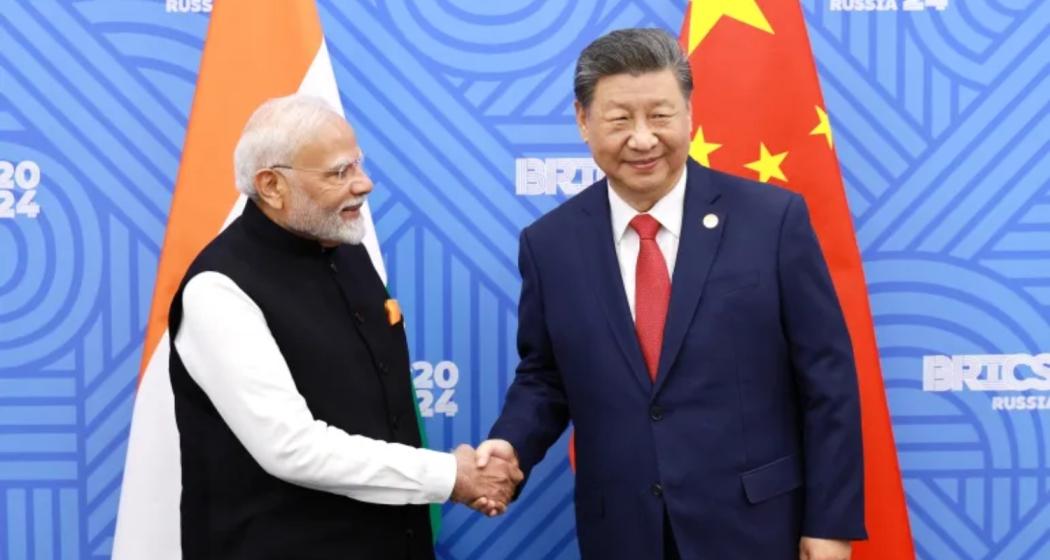
India and China will resume border trade through the Lipulekh Pass from June 2026 after a six-year suspension, marking a cautious thaw in bilateral ties strained by the pandemic and the 2020 military standoff in eastern Ladakh.
The decision to reopen Lipulekh, along with Shipki La and Nathu La, was taken during high-level talks in August 2025 between National Security Adviser Ajit Doval and Chinese Foreign Minister Wang Yi.
The trading season is expected to run from June to September, subject to weather conditions. For the first time, traders will have access to a motorable road connecting Dharchula to Lipulekh, completed in 2020, replacing traditional mule routes and reducing travel time and costs.
Local authorities have identified Gunji as the main trade mart, with Dharchula serving as the base for administrative procedures. Facilities for banking, customs and security are being set up to facilitate operations. Trade is largely carried out by local communities, including the Bhotiyas, who export handicrafts and agricultural products and import items such as Tibetan wool.
Also read: China-bound Russian oil vessels rerouted to India mid-voyage
Situated at an altitude of over 5,300 metres in Uttarakhand’s Pithoragarh district, Lipulekh is a strategic Himalayan pass linking India with China’s Tibet Autonomous Region and Nepal. It also serves as a key route for the Kailash Mansarovar Yatra, making it significant not only economically but also culturally.
Border trade through the pass dates back to 1954 but was halted following the 1962 war. It resumed in 1992 after a bilateral agreement, before being suspended again in 2020 due to COVID-19 and rising tensions along the Line of Actual Control.
However, the move continues to draw objections from Nepal, which claims the Lipulekh-Kalapani-Limpiyadhura region as part of its territory under the 1816 Treaty of Sugauli. The dispute centres on differing interpretations of the origin of the Kali river, which defines the boundary.
In 2020, Nepal updated its official map to include the disputed area, a step India rejected as an “unjustified cartographic assertion”. While India maintains administrative control and has proceeded with infrastructure development and trade plans, it has reiterated that boundary issues with Nepal will be resolved through dialogue.
The reopening is expected to revive traditional trade and economic activity in border regions, while also signalling a limited normalisation in India-China relations without resolving underlying geopolitical tensions.

 Follow us