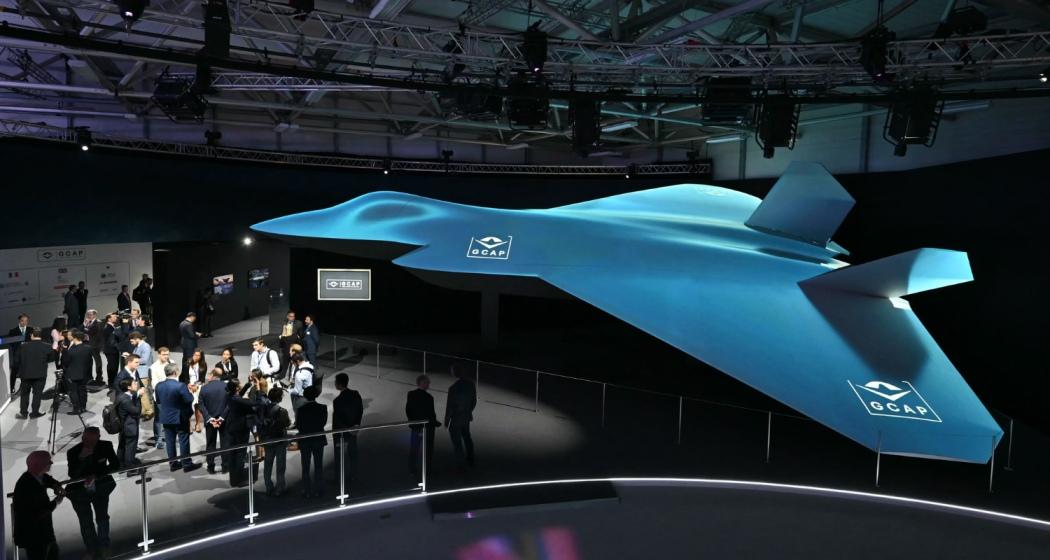
India has initiated efforts to join the French-led Future Combat Air System (FCAS) programme for the development of sixth-generation fighter aircraft, signalling a push to acquire next-generation aerial combat capabilities.
The Ministry of Defence has informed the Parliamentary Standing Committee on Defence that concerted efforts are underway to co-join the sixth-generation fighter aircraft development programme spearheaded by France.
The development was outlined in the committee's Twenty-Fifth Report on Defence for 2025-26, which details the government's action taken on recommendations related to the Defence Ministry's Demands for Grants for 2026-27.
India's move is aimed at advancing its combat aviation capabilities beyond existing 4.5-generation and fifth-generation platforms and gaining access to technologies associated with sixth-generation warfare.
The FCAS programme, led by France, is focused on developing a next-generation combat aviation ecosystem rather than a standalone fighter aircraft. The programme envisages advanced manned and unmanned platforms and interconnected combat capabilities.
The development comes alongside progress on India's proposed acquisition of 114 Rafale multirole fighter aircraft from France.
France has submitted its detailed technical and commercial proposal in response to India's Letter of Request for the fighter jet deal. The proposal is currently being examined by the Defence Ministry's Acquisition Wing and the Indian Air Force.
Also read: Andhra to fuel India’s fighter aircraft programme
The proposed Rafale deal is expected to include substantial local manufacturing and technology integration. India is also examining the incorporation of indigenous weapons, including variants of the Astra air-to-air missile, along with a higher degree of Indian content in the aircraft.
Under the proposal, 94 of the 114 aircraft are expected to be manufactured in India with a local industry partner. French companies including Dassault Aviation, MBDA, Safran and Thales are expected to participate in the manufacturing and industrial partnership.
The deal could also provide significant opportunities for India's defence manufacturing sector, with the value of potential industrial opportunities estimated at around ₹1.6 lakh crore.
The simultaneous push for participation in FCAS and greater localisation under the Rafale programme comes as India seeks to strengthen its indigenous defence ecosystem while gaining access to advanced aerospace technologies.
A formal role in the sixth-generation programme could potentially give India an opportunity to participate in the development of future combat aircraft technologies and strengthen its long-term air power capabilities.

 Follow us