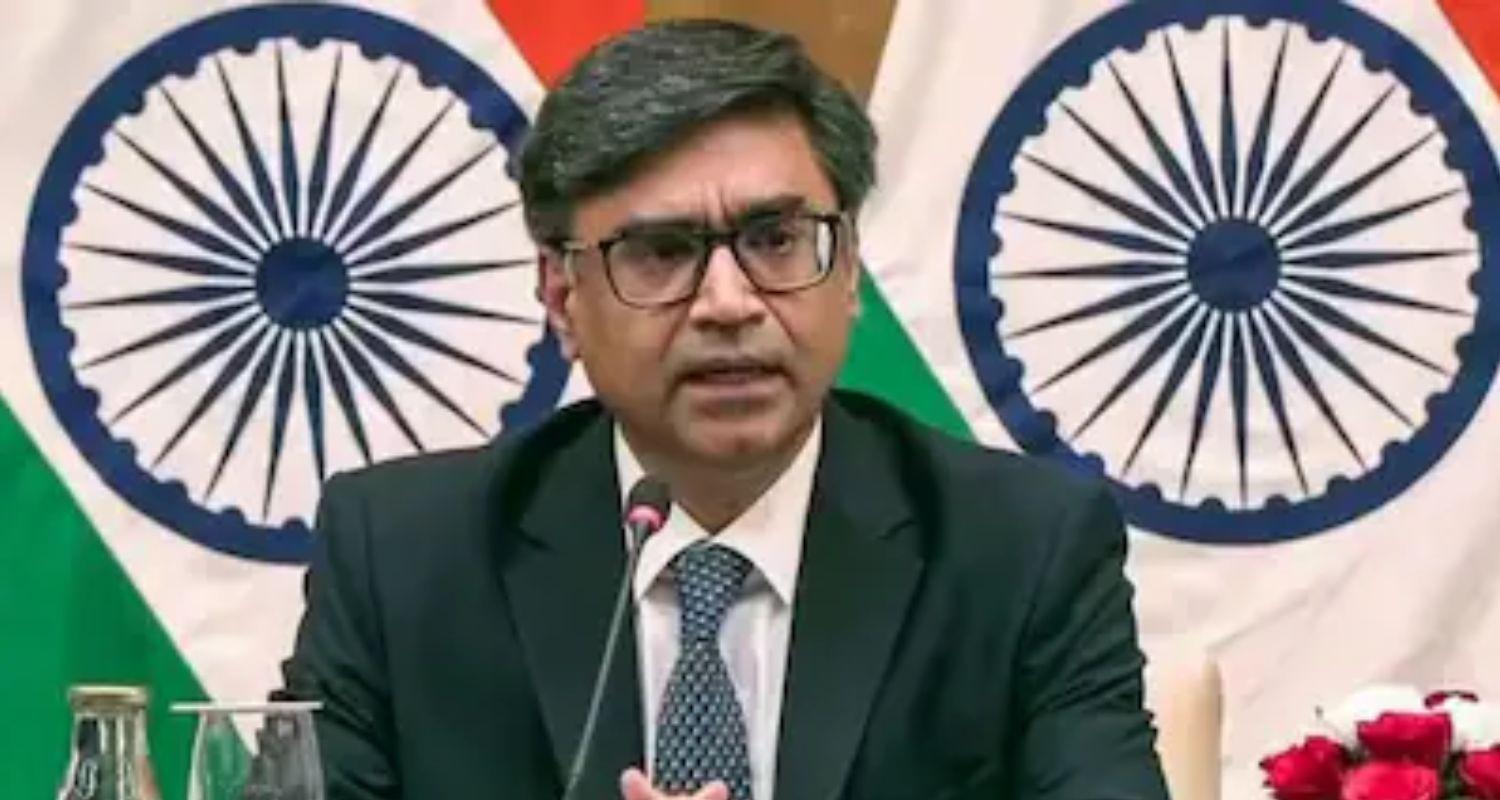
With the conflict between the United States and Iran showing no signs of abating, India has made a firm plea for the reopening of the Strait of Hormuz, pointedly reminding the international community that it is currently the only nation to have suffered the loss of mariners in attacks on merchant shipping in the Gulf. Foreign Secretary Vikram Misri, representing India at a high-level meeting convened by the UK on Thursday, underscored the critical need for freedom of navigation and the uninterrupted transit of vessels through international waterways.
The London-led discussions were specifically designed to find a diplomatic route to reopening the strategic strait as global anxiety grows over crippled energy supplies. Notably, while more than 60 countries participated in the summit, the United States reportedly opted out. During the session, Misri reiterated India’s consistent stance on maritime security, highlighting how the ongoing war has directly jeopardised India’s energy security. He noted with some gravity that three of the eight Indians killed so far in the wider West Asia conflict were seafarers lost during attacks on commercial vessels in the early stages of the crisis.
The Foreign Secretary was very clear in his position that the solution lies in de-escalation rather than further posturing in terms of military action. There was an evident push for a return to dialogue for all stakeholders. This was reinforced by the British Foreign Secretary, Yvette Cooper, who said that the meeting was centered on political and diplomatic solutions. The meeting was a testament to "the strength of our international determination" to clear the waterway for trade.
The timing of the meeting was particularly significant, occurring just hours after President Donald Trump’s first televised address regarding the war. In a characteristic shift of policy, the US President suggested that securing the Strait of Hormuz was the responsibility of other nations rather than a task for the American military. Trump remarked that countries struggling with fuel shortages should either look to the US for oil or "build up some delayed courage" to secure their own supplies. He dismissed the urgency of a coordinated reopening, suggesting the strait would simply "open up naturally" once the fighting eventually stops.
In contrast to the isolationist tone from Washington, New Delhi has remained steadfast in its support for maritime security based on international law. The spokesperson for the External Affairs Ministry, Randhir Jaiswal, has indeed confirmed that India’s decision to accept the invitation by the UK was based on the fact that the free passage of commercial vessels is a top priority. As the blockade continues to choke the world market, India’s stance is still based on the protection of its citizens and the preservation of its vital trade routes.
Also read: Strait of Hormuz will be opened; but not for you: Iran to US

 Follow us