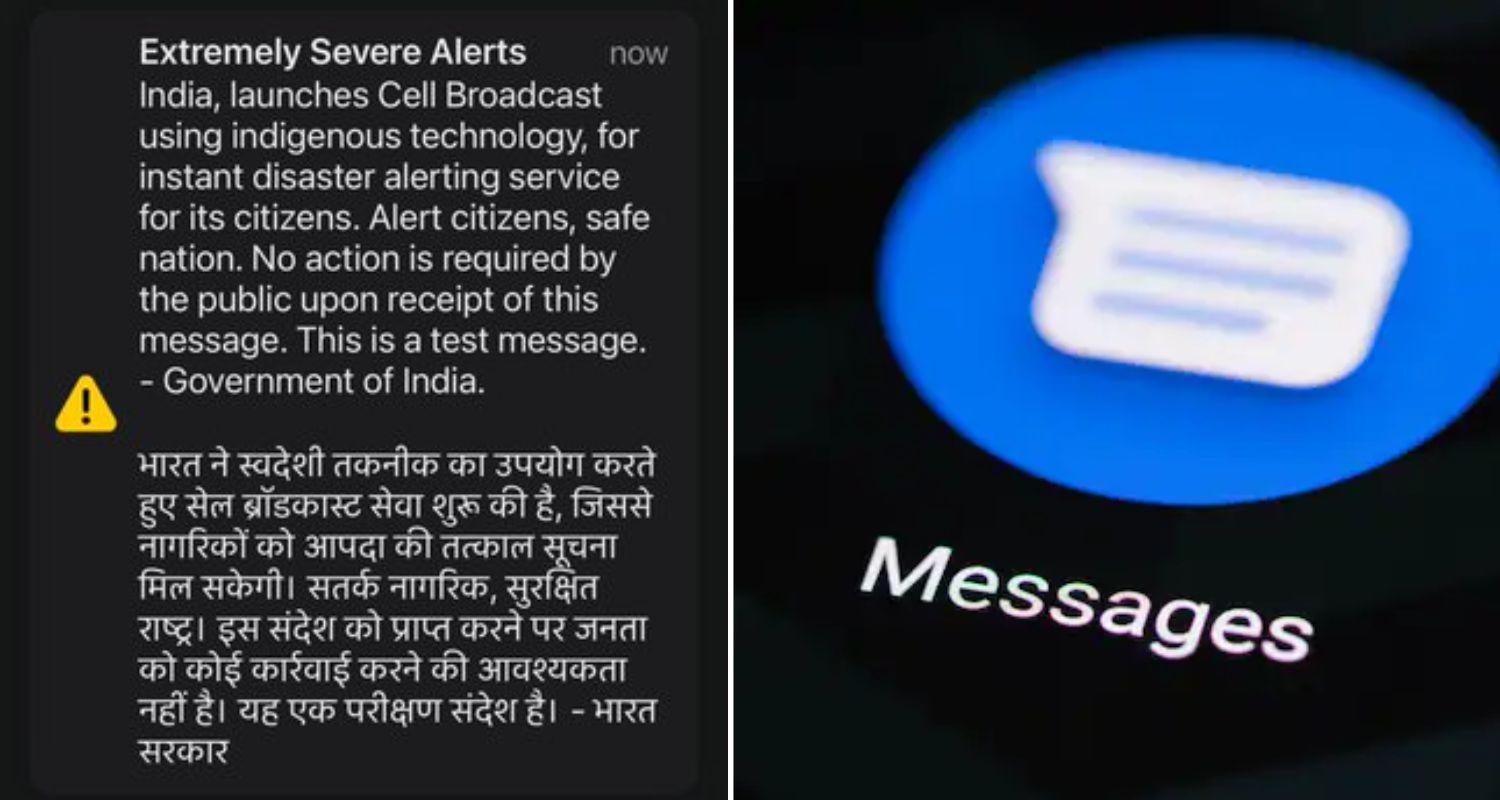
If your phone buzzed today with a rather startling, high-pitched government alert, you certainly weren't alone and there was no cause for alarm. Millions of mobile users across India received the test message on Saturday as the government officially rolled out its homegrown Cell Broadcast emergency alert system. Marked as an "Extremely Severe Alert," the notification was a live demonstration of a new disaster-warning service built on indigenous technology. The message explicitly stated that it was a test and required no action from the public.
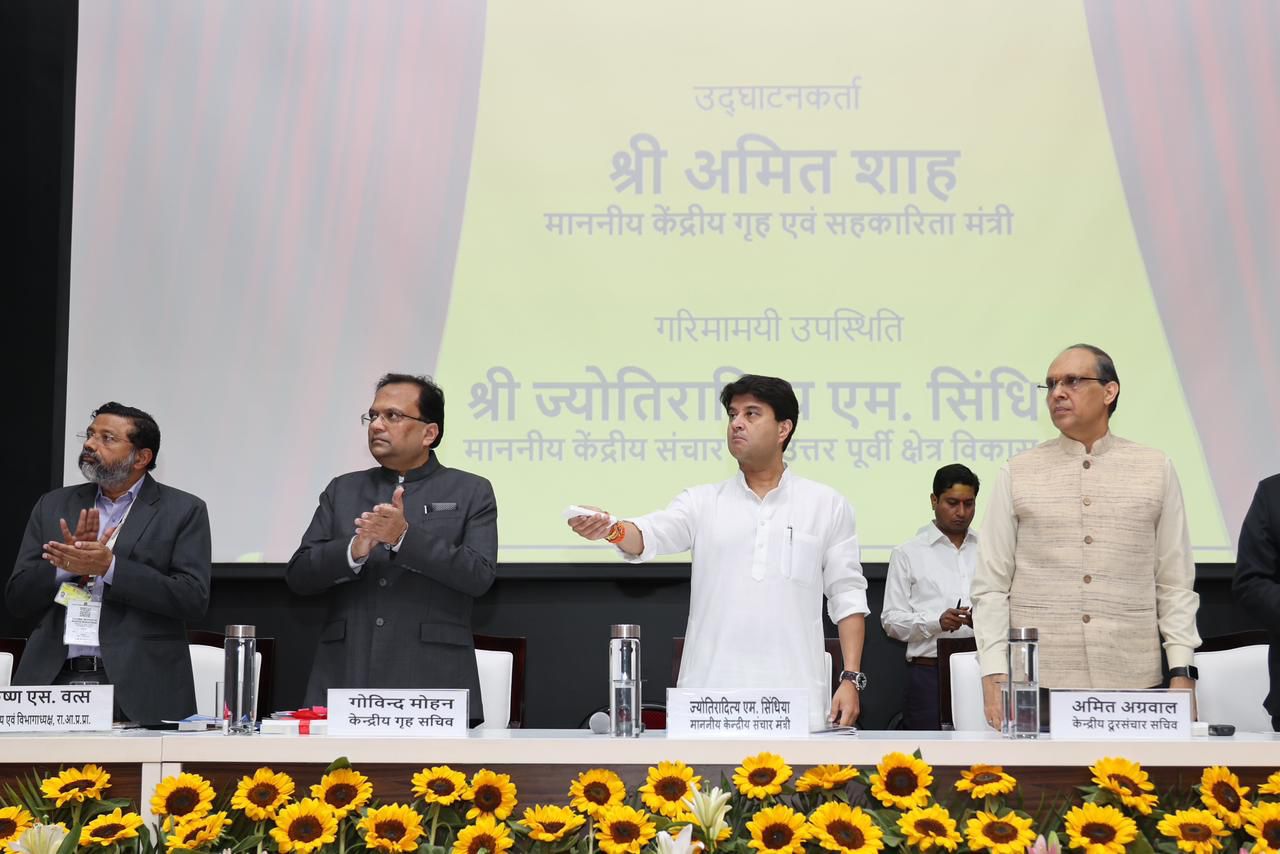
The national level launch of this scheme was undertaken on behalf of Union Home Minister Amit Shah and Union Communications Minister Jyotiraditya Scindia on May 2, 2026. The central theme of this campaign can be defined as a mechanism known as SACHET or the Integrated Alert System. This system has been developed under the guidance of Centre for Development of Telematics (C-DOT) that is an associated body of the Department of Telecommunications.
While disaster management authorities have previously relied on traditional methods — sending over 134 billion SMS alerts in 19 different languages for cyclones and weather warnings — this new Cell Broadcast technology is a major step forward. This notification system stands out from ordinary text messaging in that its notifications cannot be ignored under any circumstance. The notifications can be heard clearly as an alarm goes off and seen prominently on the phone screen regardless of whether the phone is in silent or “Do Not Disturb” mode.
Its main purpose is to save lives by giving immediate warnings regarding natural hazards like earthquakes, tsunamis, and lightning strikes, as well as man-made hazards like chemical spills. This way, everyone gets the same warning regardless of personal phone settings.
Also read: PM Modi inaugurates 594-km Ganga Expressway in UP

 Follow us