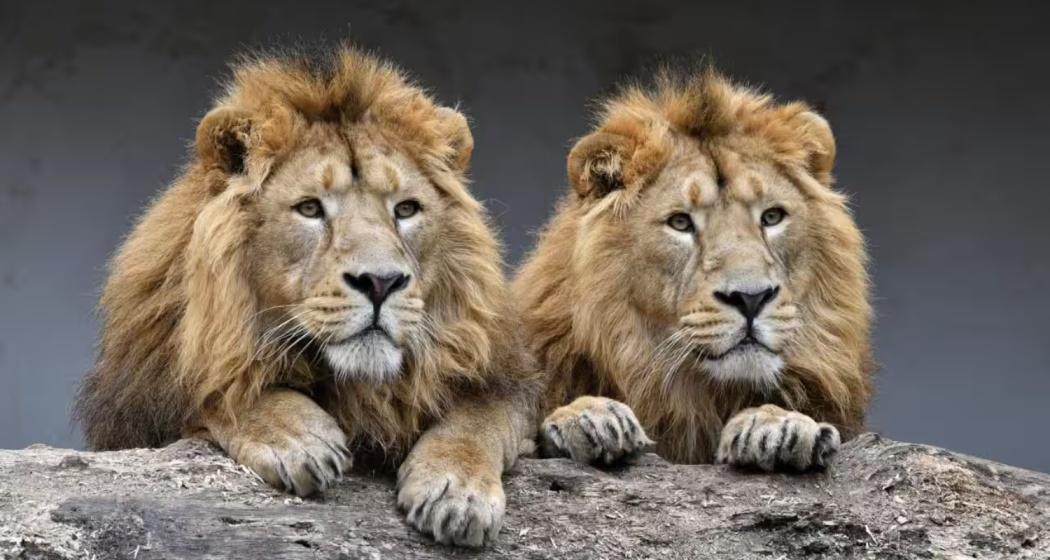
India’s Asiatic lion population has increased significantly over the past decade, rising from 523 in 2015 to 891 in 2025, Union Environment Minister Bhupender Yadav said on World Lion Day on Monday.
In a post on X, Yadav credited sustained conservation efforts for the growth in the population and said the government remained committed to protecting the species and ensuring its survival for future generations.
The minister highlighted the role of conservation workers in protecting the Asiatic lion, whose last remaining wild population is found in and around Gujarat’s Gir landscape.
Union Minister of State for Environment Kirti Vardhan Singh said India’s conservation efforts demonstrated that development and environmental protection could coexist. He said the government had focused on protecting critical habitats, strengthening conservation programmes and promoting coexistence between local communities and wildlife.
Also read: 4 lion cubs die, 17 isolated in Gir amid viral infection scare
The government’s conservation efforts have also expanded the geographical range of the Asiatic lion. According to the Environment Ministry, the species’ range has increased from around 30,000 sq km in 2020 to nearly 35,000 sq km.
Prime Minister Narendra Modi launched Project Lion on August 15, 2020, with the aim of securing the long-term conservation of the Asiatic lion.
The project adopts a landscape-level approach and includes habitat improvement, disease surveillance, veterinary support, scientific population monitoring and technology-based conservation measures.
It also seeks to protect biodiversity while increasing community participation and promoting benefit-sharing in areas surrounding lion habitats.
The Asiatic lion is classified as endangered and survives in the wild only in Gujarat. Its population has witnessed a steady rise through decades of conservation initiatives, particularly in and around the Gir landscape.
The latest population figure, according to Yadav, reflects the continued growth of the species and the impact of efforts aimed at protecting its habitat and reducing threats to its survival.

 Follow us