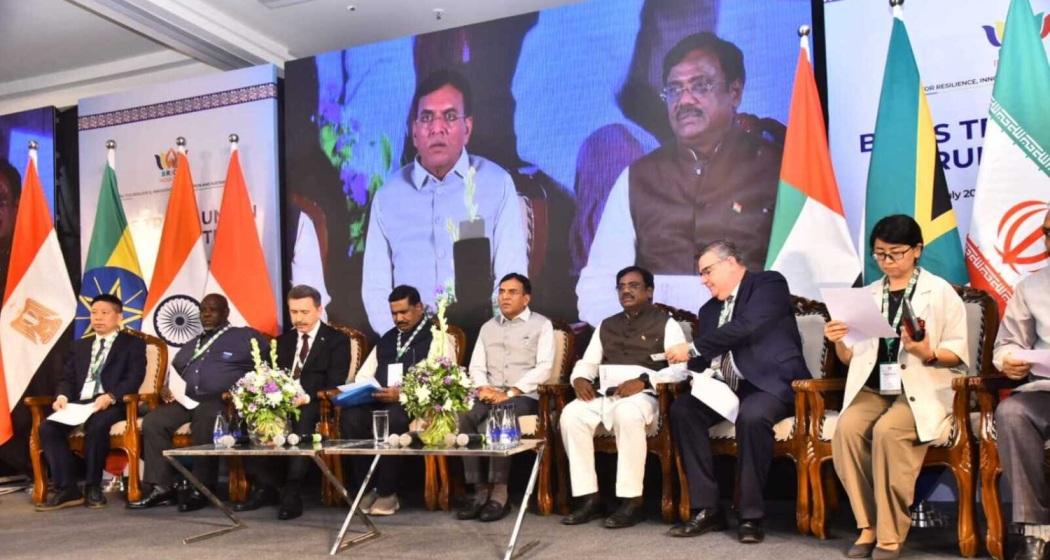
India will seek to strengthen cooperation among BRICS nations in tracing fugitive offenders, supporting extradition proceedings and recovering assets during the second meeting of the BRICS Anti-Corruption Working Group and the BRICS Expert Network on Asset Recovery, scheduled to be held in Hyderabad on August 4 and 5.
Hosted by the Department of Personnel and Training (DoPT) under the Ministry of Personnel, Public Grievances and Pensions, the meeting forms part of India's BRICS Presidency 2026 and is aligned with the theme, "Building for Resilience, Innovation, Cooperation and Sustainability."
According to the ministry, India will emphasise stronger informal cooperation to trace fugitives wanted in corruption cases and facilitate extradition proceedings among BRICS member countries.
The discussions will also focus on improving information-sharing and operational cooperation through the BRICS Expert Network on Asset Recovery, besides addressing corruption-related risks arising from financial technology (FinTech), digital assets and emerging digital financial instruments.
The two-day meeting will be inaugurated by DoPT Secretary Rachna Shah and is expected to bring together senior policymakers, anti-corruption experts, law enforcement officials and representatives from BRICS member countries.
Delegates will deliberate on ways to strengthen international cooperation in asset recovery, combat cross-border corruption and enhance transparency and accountability in governance.
A side event titled "Ethical Governance through Innovation and Tech-Driven Systems" will also be held on August 5, focusing on technology-enabled governance, digital public procurement, citizen engagement and innovative measures to improve integrity in public administration.
The Hyderabad meeting builds on the outcomes of the first BRICS Anti-Corruption Working Group meeting, held virtually in June this year.
The Ministry said the event is expected to consolidate progress achieved under India's BRICS Presidency and lay the groundwork for sustained cooperation among member countries in asset recovery, combating cross-border corruption, technology-driven governance and institutional capacity building.

 Follow us