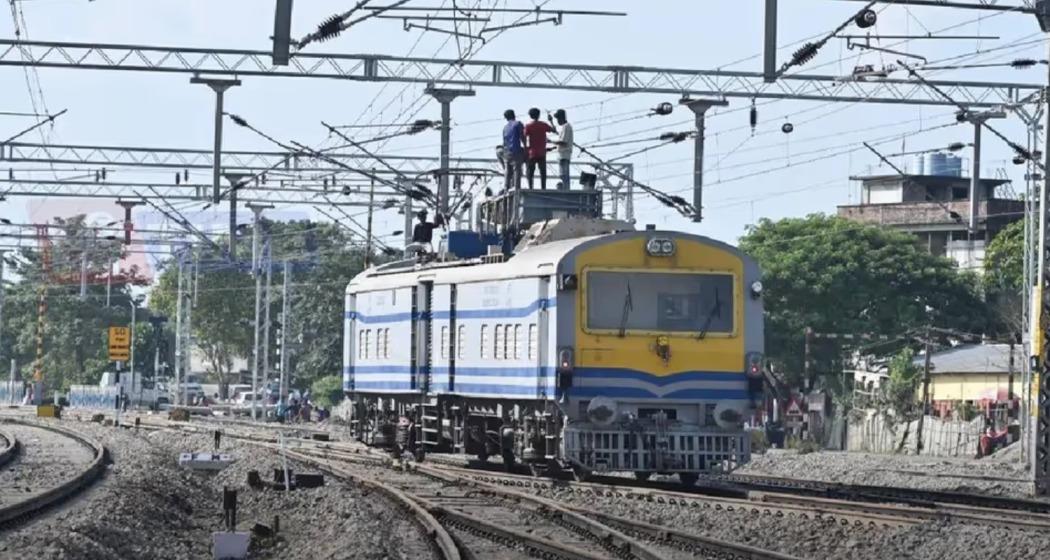
Indian Railways has emerged as the world’s largest electrified rail network, completing electrification of more than 99 per cent of its 70,000 route-kilometre broad-gauge network by November 2025, marking a major milestone in India’s push towards cleaner and more energy-efficient transport.
The achievement reflects a sharp acceleration in electrification over the past decade. While the network added an average of just 1.5 kilometres per day between 2004 and 2014, the pace has increased more than tenfold in recent years, crossing 15 kilometres per day over the last six years. Officials have attributed the surge to focused policy decisions, increased capital investment and streamlined project execution.
Electrification has been a key pillar of Indian Railways’ strategy to reduce its dependence on imported fossil fuels, lower operating costs and cut carbon emissions. Electric traction is considered cleaner and more efficient than diesel, while also allowing faster acceleration, higher hauling capacity and improved punctuality on busy corridors.
Also read: Indian Railways' 'electric journey' turns 100 this February
Alongside network electrification, Indian Railways has made steady progress in renewable energy adoption. Its solar power capacity has expanded to nearly 900 megawatts by November 2025, a dramatic rise from less than 4 megawatts in 2014. Solar panels have been installed across station rooftops, workshops, service buildings and vacant railway land, contributing to reduced energy bills and greener operations.
Officials said the combined push for electrification and renewable energy will help Indian Railways meet its long-term objective of becoming a net-zero carbon emitter, in line with India’s national climate commitments. The transition is also expected to bring long-term financial savings by insulating the railways from volatile fuel prices.
Indian Railways, one of the largest rail networks in the world by passenger and freight volumes, plays a crucial role in India’s economic and social life. The electrification drive is expected to further enhance capacity on key freight routes, support industrial growth and improve passenger services across regions.

 Follow us