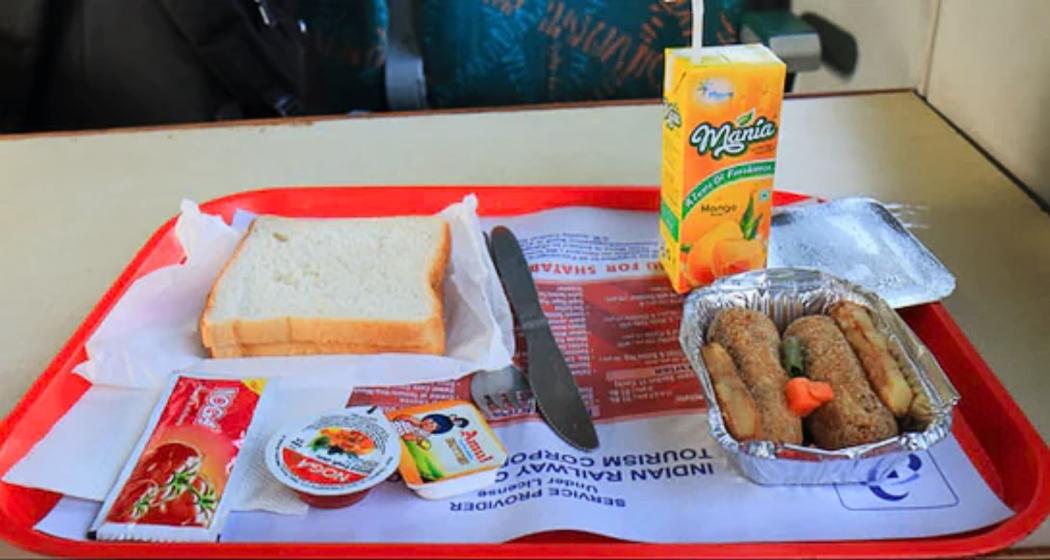
The Indian Railway Catering and Tourism Corporation may temporarily halt cooked meal services on trains as a nationwide shortage of LPG cylinders begins to affect catering operations, railway officials said.
Officials said the shortage is impacting IRCTC’s base kitchens, where meals for long-distance trains are prepared before being loaded onto pantry cars. Pantry cars largely function as distribution and reheating units and do not usually carry LPG cylinders.
Disruptions in LPG supply to base kitchens are therefore affecting meal preparation for trains across the country.
In a letter dated 10 March, IRCTC directed catering licensees operating food plazas, refreshment rooms and Jan Ahaar outlets at railway stations to switch to alternative cooking methods in case LPG supplies are disrupted.
“In light of recent international conflicts in West Asia affecting the regional stability and supply of commercial LPG cylinders, it is imperative to ensure that catering services at all Food Plazas, Refreshment Rooms and Jan Ahaars remain uninterrupted,” the advisory said.
Also read: No LPG shortage in NE despite West Asia war: IOC
Caterers have also been instructed to maintain adequate stocks of ready-to-eat food items to meet passenger demand if cooked meal services are affected.
“In addition to standard food items, you are required to maintain a sufficient inventory of Ready-to-Eat (RTE) food items within your units,” the communication said.
Officials said IRCTC provides nearly 17 lakh meals daily across the country through its network of base kitchens and onboard catering services.
The contingency measures are aimed at ensuring that passengers continue to have access to food at railway stations and on trains in case the LPG supply situation worsens.
Caterers have been asked to promptly inform authorities if LPG supplies in their zones are disrupted or halted.
The developments come as the Ministry of Petroleum and Natural Gas has moved to ration natural gas supplies after the ongoing conflict in West Asia disrupted shipments through the Strait of Hormuz.
The government has prioritised gas allocation for domestic cooking gas, piped natural gas and compressed natural gas for vehicles in order to ensure essential supplies remain uninterrupted.

 Follow us