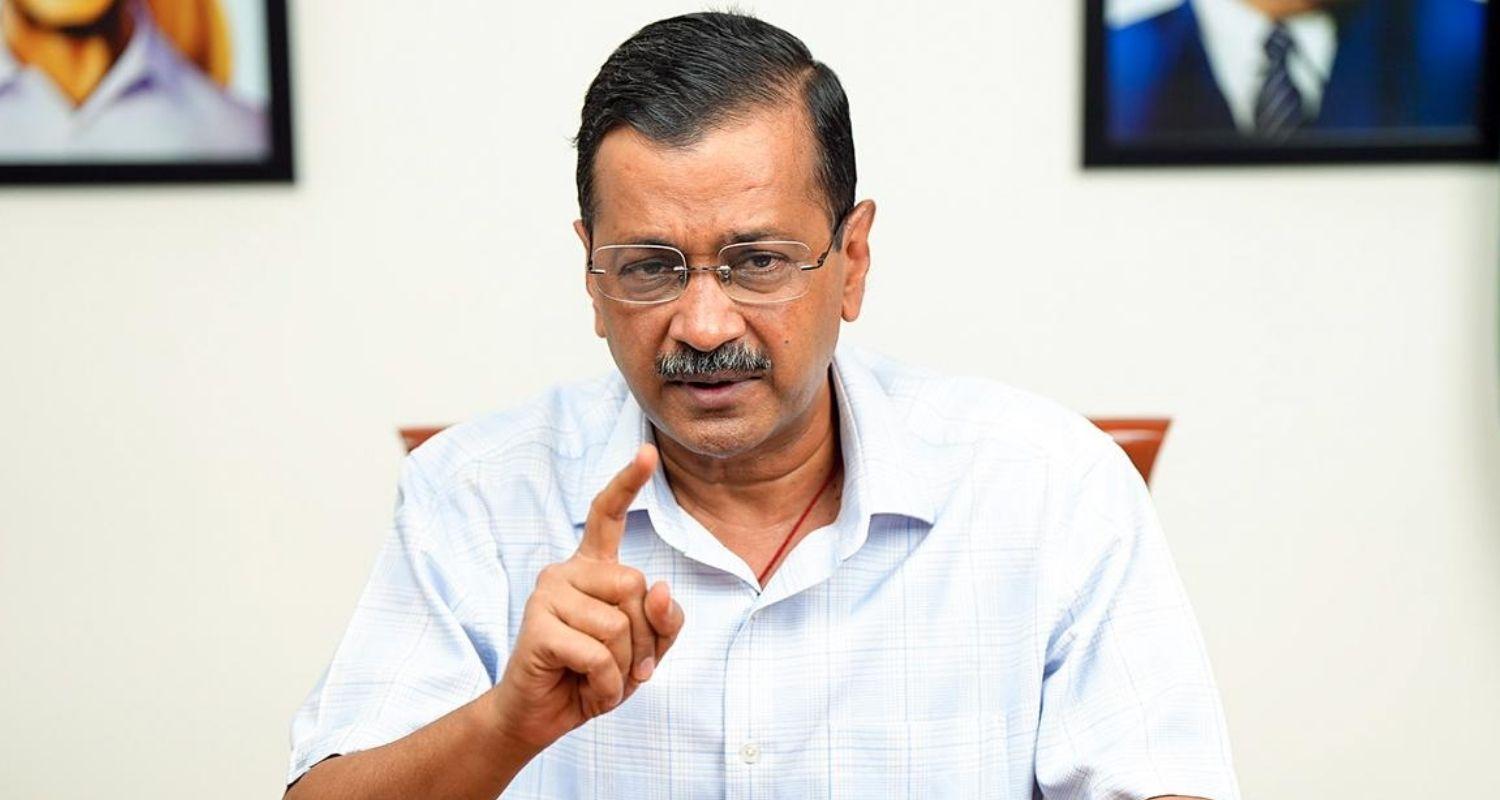
The Delhi High Court on Tuesday said it would appoint senior lawyers as amici curiae to represent Arvind Kejriwal, Manish Sisodia, and Durgesh Pathak in the Central Bureau of Investigation case challenging their discharge in the liquor policy matter.
The three leaders, along with other accused, boycotted the proceedings before Justice Swarana Kanta Sharma after she declined to recuse herself from the case despite their allegations of conflict of interest and apprehension of bias.
Justice Sharma deferred the hearing on the CBI’s plea against the trial court’s decision until May 8, observing that it would be appropriate to proceed only after appointing legal representatives for the unrepresented respondents. She indicated that three senior advocates would be appointed as amici curiae to assist the court.
Also read: Auto industry posts record retail sales in April
Solicitor General Tushar Mehta, appearing for the CBI, sought clarification on whether the appointments were being made for the absent respondents, to which the court responded in the affirmative. The matter will next be taken up on Friday, when orders on the appointment of amici are expected before the hearing begins.
Following the court’s April 20 decision rejecting their recusal request, Kejriwal, Sisodia and Pathak had written to the judge stating they would neither appear personally nor through counsel, and would instead follow Mahatma Gandhi’s path of ‘satyagraha’.
Earlier, on February 27, a trial court had discharged Kejriwal, Sisodia and 21 others in the excise policy case, stating that the prosecution’s case could not withstand judicial scrutiny and stood discredited. However, on March 9, the High Court stayed the trial court’s recommendation for departmental action against the CBI’s investigating officer.
While issuing notice to all 23 accused on the CBI’s petition, Justice Sharma had observed that certain findings of the trial court at the stage of framing charges appeared prima facie erroneous and warranted further examination.
Subsequently, the accused sought the judge’s recusal, alleging a conflict of interest on the grounds that her children are empanelled as central government lawyers and receive work through Solicitor General Mehta, who is representing the CBI in the case.
Rejecting the plea on April 20, Justice Sharma held that judges cannot recuse themselves merely on the basis of unfounded apprehensions of bias raised by litigants. Apart from Kejriwal and Sisodia, other accused including Vijay Nair and Arun Ramchandra Pillai had also sought her recusal from the proceedings.

 Follow us