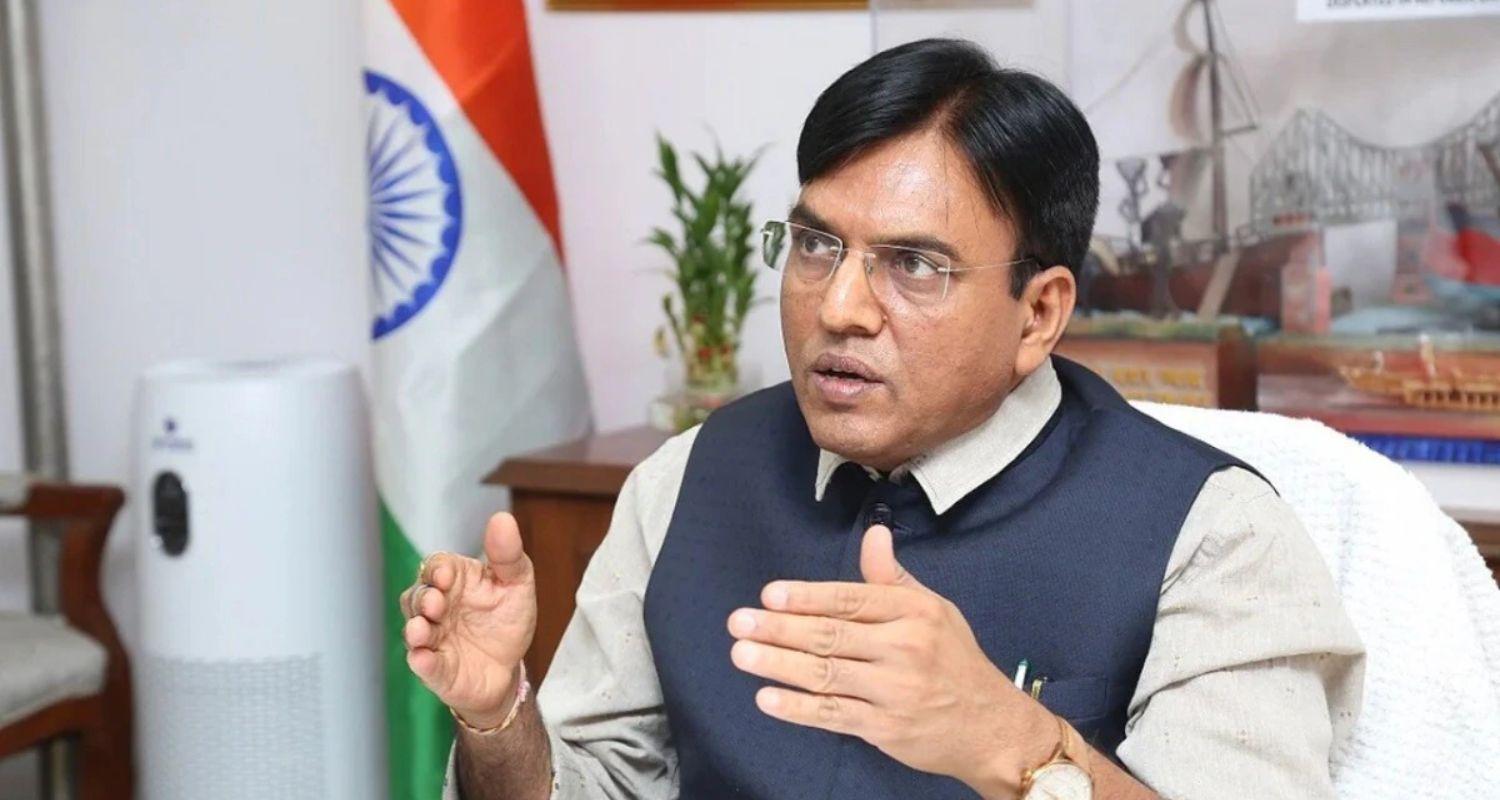
Dismissing concerns surrounding the new labour codes that come into force next year, Labour Minister Mansukh Mandaviya on Thursday said the laws will formalise employment, not encourage a trend of ‘hire and fire’.
Speaking at an economic conclave in New Delhi on Thursday, Mandaviya said the government had formalised employment by allowing workers’ strength of up to 300 per unit, as opposed to the previous 100 workers’ requirement.
“We have formalised employment in the country with increasing the number of workers to 300 per unit, which was earlier 100,” he said, adding that workplaces will now be able to hire more workers and give them benefits that enrolled employees get.
The four labour codes – the Code on Wages, 2019, the Industrial Relations Code, 2020, the Code on Social Security, 2020 and the Occupational Safety, Health and Working Conditions Code, 2020, were notified on November 21, 2025. These rationalised 29 existing labour laws.
On concerns surrounding encouragement given to ‘inspector raj’ by increasing compliance burden, the minister explained that an inspector will be a “facilitator” and not “an obstructer in the work of an industry”.
Ensuring people of the deployment of all safety measures at workplaces, such as fire safety, lighting, and security, he said these are prerequisites for allowing women to work in night shifts, especially in the mining sector.
Also Read: Labour codes likely to be in force from Apr 1
“All provisions in the new codes are made keeping in view of changing times and requirement of modern industry practices,” he added.
The reforms include expanded rights and safety for women, including night shifts, free annual health check-ups for workers aged over 40, pan-India ESIC coverage, including hazardous process units, and a single registration, licence and return system.
Under the Code on Social Security, 2020, all workers, including gig and platform workers, will be covered by social security and all workers will get PF, ESIC, insurance, and other social security benefits.
Similarly, under the Code on Wages, 2019, all workers will receive a statutory minimum wage payment and fixed-term employees (FTE) are to receive all benefits equal to those of permanent workers, including leave, medical, and social security.
The ESIC coverage and benefits are extended pan-India – voluntary for establishments with fewer than 10 employees, and mandatory for establishments with even one employee engaged in hazardous processes.
Digital and audiovisual workers, including journalists in the electronic media, dubbing artists, and stunt performers, will also be entitled to full benefits.

 Follow us