Devotees across India are facing a fair amount of confusion this year regarding the exact dates for Holika Dahan and Dhulandi. The dilemma stems from a rare celestial overlap: a total lunar eclipse on March 3 and the presence of the inauspicious Bhadra period during the full moon.
For those looking to plan their celebrations, the central question is whether the ceremonial bonfire should be lit on Monday or Tuesday, and when it is actually appropriate to play with colours.
Holika Dahan, usually, takes place after sunset on Purnima, the full moon of the Phalgun month. However, scriptural tradition strictly forbids performing this ritual during Bhadra. This year, Purnima begins at 5:55 pm on Monday, March 2, but Bhadra kicks in almost simultaneously and lingers until 5:30 am on Tuesday. Since Bhadra covers the entire Pradosh Kaal (evening window) on Monday, most astrologers agree that a traditional evening bonfire on the 2nd is not appropriate.
The situation is further complicated by the lunar eclipse on Tuesday, March 3, which begins in the mid-afternoon and ends at 6:47 pm. According to Vedic texts like the Nirnay Sindhu, when an eclipse coincides with Purnima, rituals should be adjusted to avoid the "Sutak" or inauspicious pre-eclipse shadow.
Consequently, many scholars are suggesting two distinct windows for Holika Dahan: either in the small hours of Tuesday morning (between 5:30 am and 6:23 am) after Bhadra has passed but before the Sutak begins, or on Tuesday evening after the eclipse has fully concluded at 6:47 pm.
As for the festival of colours, Dhulandi, the consensus is shifting towards Wednesday, March 4. While some may choose to celebrate late on Tuesday evening once the eclipse ends, the majority of public and religious calendars have marked Wednesday for the main festivities to ensure the "Sutak" period is well and truly over. This rare alignment, occurring for the first time in nearly a century, serves as a reminder of the intricate link between India’s cultural festivals and the movements of the stars.
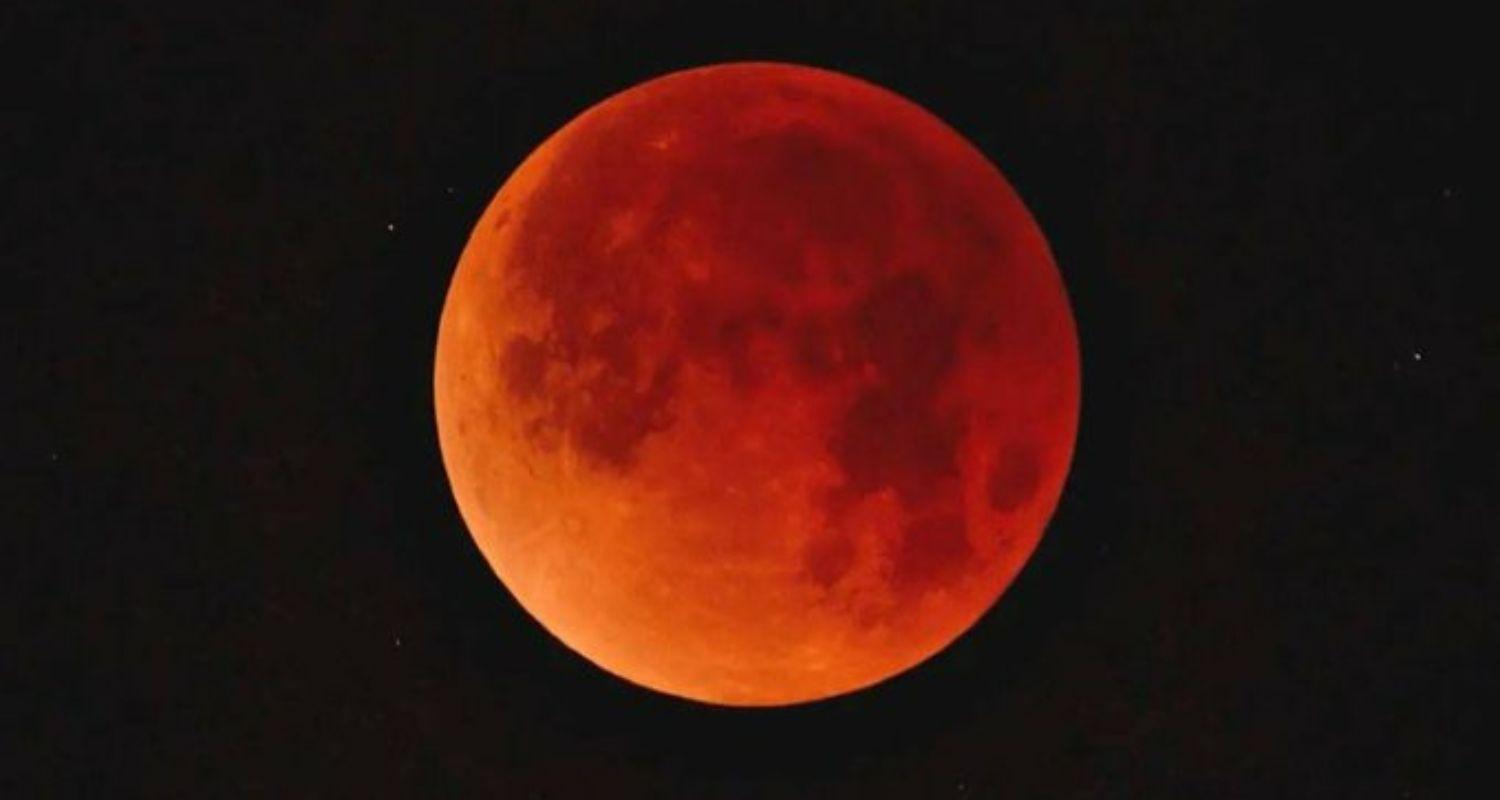
Skywatchers across Australia and Aotearoa New Zealand are in for a rare treat as the Moon passes directly through the Earth’s shadow, triggering a total lunar eclipse. Unlike many celestial events that require a painful 4:00 am alarm, this "Blood Moon" is arriving at a perfectly civilised hour. It’s a brilliant excuse to step outside, look east, and watch the bright full Moon slowly transform into a deep, moody red.
The eclipse is a leisurely affair, unfolding over several hours. The show begins with a partial phase as the Earth's shadow starts to "eat" into the Moon's edge. This lasts about 75 minutes before the main event: totality. For almost an hour, the Moon will be completely submerged in shadow, and take on that famous coppery-red glow. After that, it will take another 75 minutes to emerge and return to its usual brilliant white.
Because the Earth's shadow is so vast, the eclipse happens for everyone on the night side of the planet at the exact same moment — you just need to adjust for your local time zone. In New Zealand, you have the "best seats in the house," with the eclipse beginning at 10:50 pm local time. The sky will be properly dark, and the Moon will sit high in the north. For those in Eastern and Central Australia, the eclipse starts earlier in the evening with the Moon in the eastern sky. Over in Western Australia, the Moon will rise as the Sun sets, meaning the eclipse will already be underway while the Moon is low on the horizon. You might need to wait for the twilight to fade before the red tint becomes clearly visible.
The "Blood Moon" isn't actually a sinister omen, though it’s easy to see why ancient cultures thought so. The red colour is caused by Rayleigh scattering — the same reason our sunsets are red and our sky is blue. As sunlight passes through the Earth’s atmosphere, the blue light is scattered away, but the longer red wavelengths are bent onto the Moon’s surface. If our atmosphere is particularly dusty or contains volcanic ash, the Moon will look a dark, bruised red. If the air is clear, it might appear a brighter, more vibrant orange.
While we see partial eclipses fairly often, the celestial geometry required for a total eclipse is finicky. After tomorrow, the next six lunar eclipses will be underwhelming "penumbral" events where the Moon barely dims. We won't see another proper Blood Moon until New Year’s Day in 2029. No telescopes or expensive gear are needed— just a clear patch of sky and a bit of luck with the clouds.
Also read: Total Lunar eclipse to light up night sky over India

 Follow us