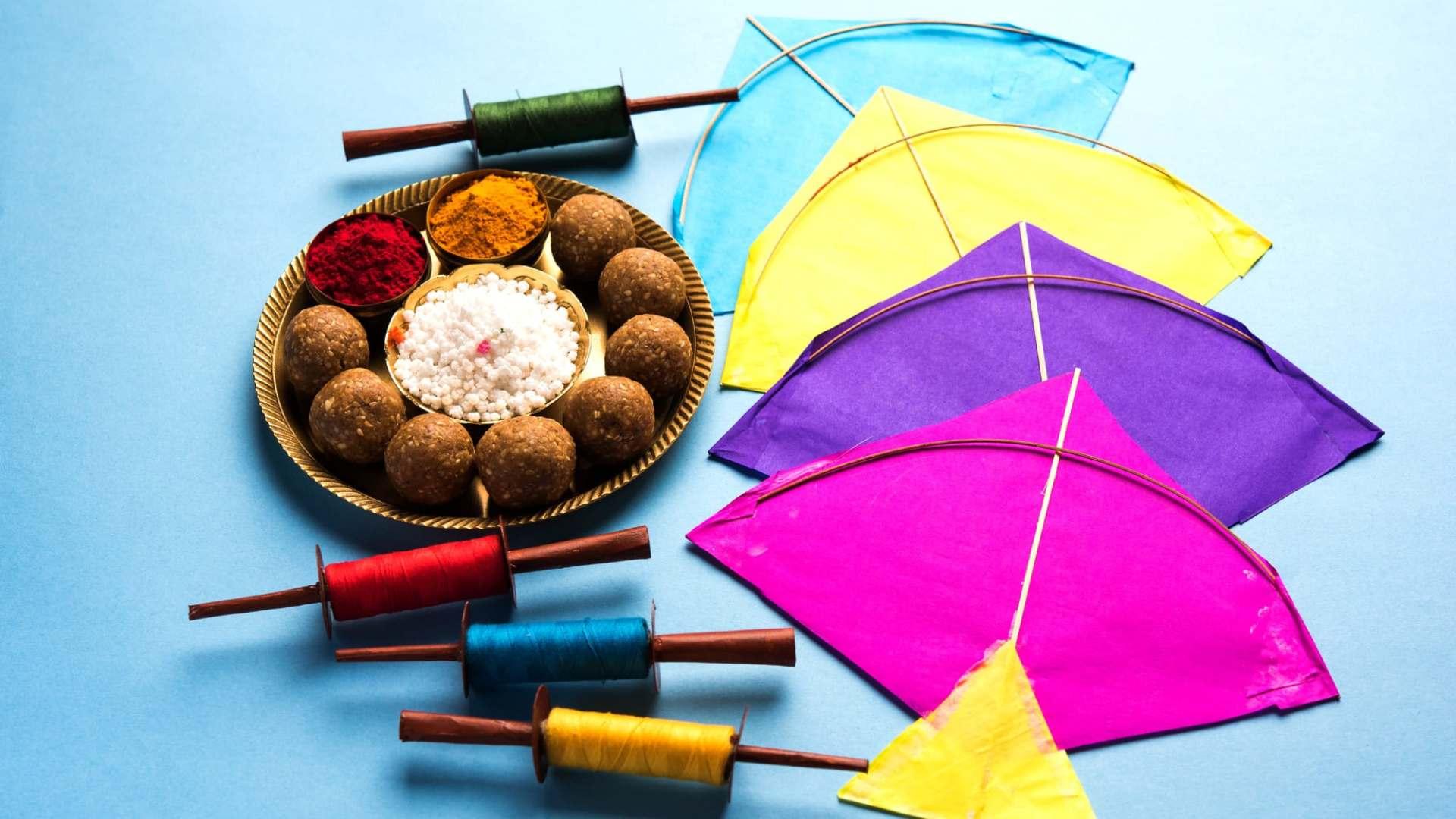
Makar Sankranti is among India’s most widely celebrated harvest festivals, signifying the Sun’s transition into the zodiac sign of Capricorn (Makara). In 2026, the festival will be observed on Wednesday.
Celebrated with immense regional diversity and enthusiasm, Makar Sankranti expresses gratitude for a plentiful harvest and honours the Sun God for bringing prosperity and well-being. Across the country, communities mark the occasion through distinctive regional festivals, including Pongal in Tamil Nadu, Lohri in Punjab, and Uttarayan in Gujarat.
Astronomical and Cultural Significance
Makar Sankranti carries profound astronomical importance as one of the few Hindu festivals aligned with the solar calendar, rather than the lunar cycle followed by most others. It marks the conclusion of the winter solstice and the start of longer days, symbolising the Sun’s northward journey, known as Uttarayan.
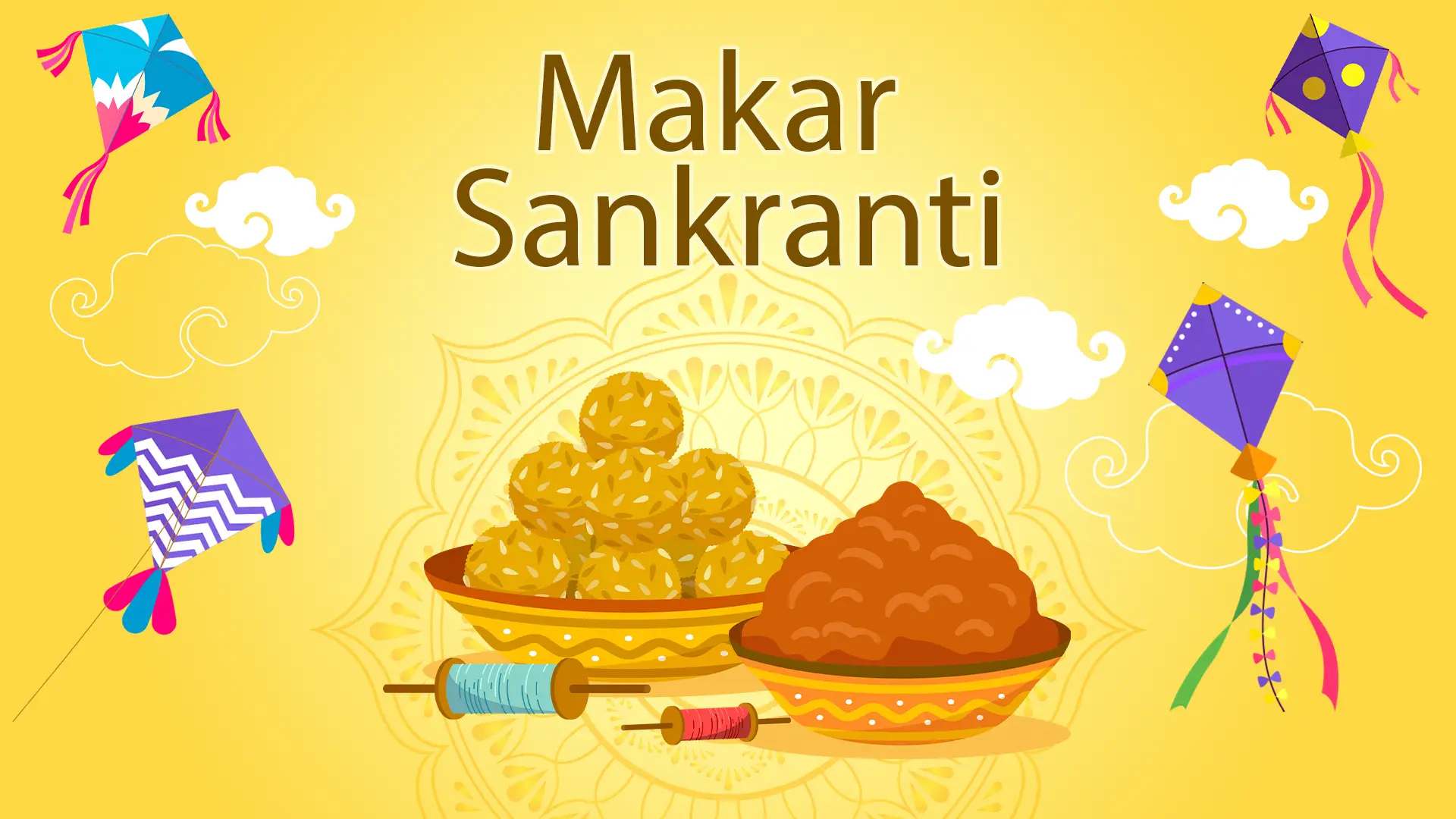
The festivities are enriched by time-honoured traditions such as flying kites, preparing special sweets like tilgul (sesame-jaggery laddoos) and other delicacies, and performing cultural and religious rituals that reflect joy, renewal, and community spirit.
Historically, the festival is deeply rooted in ancient Indian agricultural traditions, closely tied to the harvest season and the rhythmic cycles of nature. It is also associated with mythological narratives, including the victory of Lord Vishnu over the demon Sankarasura.
Traditions and Rituals of Makar Sankranti 2026
The day is observed with a variety of sacred rituals. One of the most significant practices is taking a holy dip (Snan) in sacred rivers such as the Ganga, Yamuna, Godavari, Krishna, and Cauvery. The auspicious period known as Punya Kaal—ideal for holy baths and rituals—begins early in the morning and extends until late afternoon, though exact timings may vary slightly depending on the location.
Devotees also offer Surya Arghya (water to the rising Sun), chant mantras, and engage in acts of charity. Donating essentials such as sesame seeds, jaggery, blankets, clothes, and food to the needy is considered especially meritorious on this day.
Vibrant Regional Celebrations
- Makar Sankranti is observed with unique customs and names across different states:
- Punjab: The festival coincides with Lohri, a lively evening celebration featuring bonfires, traditional folk songs, bhangra and gidda dances, and the sharing of sweets like rewri and gajak.
- Gujarat and Rajasthan: Known as Uttarayan, the day is famous for the grand International Kite Festival, where the skies become a dazzling spectacle of colourful kites of all shapes and sizes.
- Tamil Nadu: Celebrated as Pongal, it is a multi-day festival centred around cooking the traditional dish of rice boiled in milk (also called Pongal), offered to the Sun God, along with elaborate kolam designs and cattle worship.
- Maharashtra: Families exchange sweets made of sesame seeds and jaggery, greeting each other with the warm phrase “Tilgul ghya, god god bola” (Take these sweets and speak sweetly), symbolising harmony and goodwill.
- Assam: Observed as Magh Bihu, the festival is marked by community feasting, traditional games, bonfires, and cultural performances, welcoming the new agricultural season.
Makar Sankranti 2026 promises to unite millions in celebration of nature’s abundance, the Sun’s life-giving energy, and the enduring spirit of togetherness and generosity.
Also Read: PM Modi, Merz inaugurates International Kite Festival 2026

 Follow us