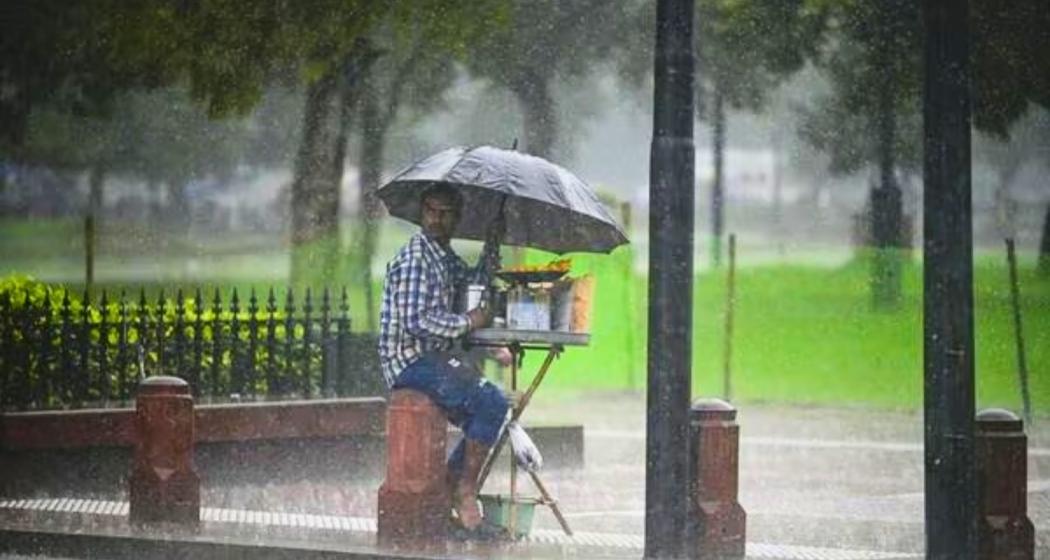
A fresh spell of intense monsoon activity is likely to bring widespread moderate to heavy rainfall across parts of central India over the coming days, with weather models indicating significant rain through mid-August.
Forecasts from the European Centre for Medium-Range Weather Forecasts (ECMWF) show substantial rainfall building up over Madhya Pradesh, Chhattisgarh, parts of Maharashtra and adjoining areas between August 8 and 15. Some pockets could receive accumulated rainfall of more than 100-200 mm, while isolated higher totals are possible in parts of the Northeast.
The forecast comes even as the India Meteorological Department (IMD) has indicated that India's overall monsoon season could end below normal, with rainfall projected at around 90% of the long-period average. Developing El Nino conditions in the Pacific are among the factors influencing the broader seasonal outlook.
However, a below-normal monsoon does not necessarily mean prolonged dry weather across the country. Short-lived weather systems, including low-pressure areas and shifts in the monsoon trough, can still trigger intense rainfall over specific regions.
Also read: CJP's paper leak protest resonated more than Congress': Tharoor
According to current ECMWF ensemble and deterministic forecasts, the monsoon trough and associated low-pressure systems are expected to strengthen moisture flow into central India. The core monsoon zone could see widespread moderate to heavy rain, while northern and northeastern parts of the country may receive more scattered but significant rainfall.
Recent IMD forecasts have already pointed to heavy to very heavy rainfall at isolated places over East Rajasthan, Odisha, Madhya Pradesh, Chhattisgarh and neighbouring regions, suggesting an active phase of the monsoon.
The intense spell could bring disruptions in vulnerable areas. Heavy rainfall over a short period can lead to waterlogging, flooding, traffic disruptions and other weather-related problems, particularly in urban and low-lying areas.
Climate scientists have also noted that a warmer atmosphere can hold more moisture, potentially contributing to more intense individual rainfall events.
For now, central India is likely to remain the focus of the active monsoon phase, particularly through August 15. However, medium-range forecasts can change as new observations are incorporated into weather models. The IMD's daily and extended-range forecasts will remain the key guide as the situation develops.

 Follow us