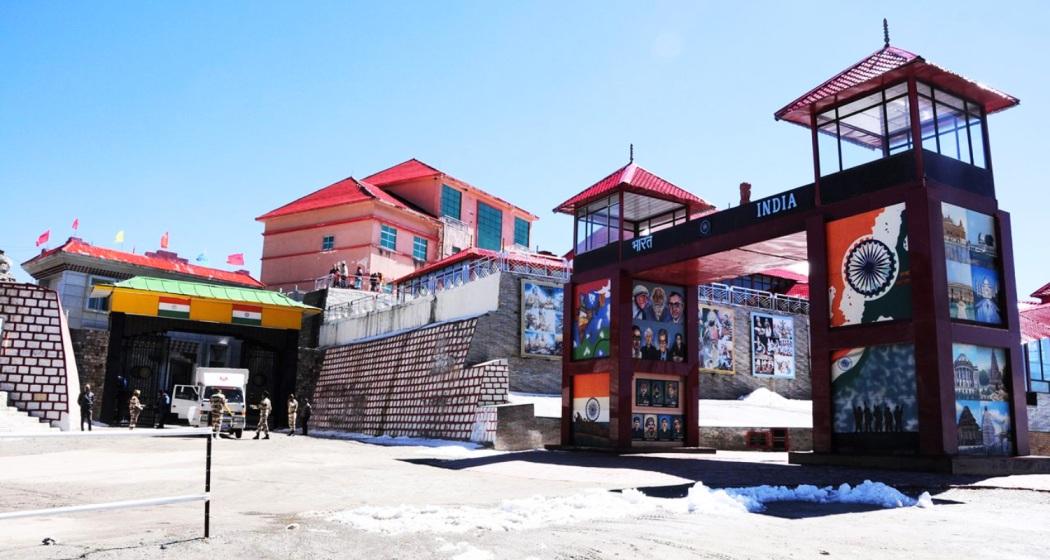
The Centre on Friday notified the Nathu La check post in Sikkim and the Lipulekh La check post in Uttarakhand as temporary immigration entry and exit points for pilgrims undertaking the Kailash Mansarovar Yatra 2026, which is scheduled to begin on June 20.
In separate gazette notifications issued under the Immigration and Foreigners Act, 2025, the Ministry of Home Affairs authorised both border points to facilitate the movement of pilgrims travelling to Mount Kailash and Lake Mansarovar in the Tibet Autonomous Region of China. The notification clarified that the designation will remain in force only for the duration of the pilgrimage season.
Officials said the decision has been taken to streamline border formalities and ensure smoother coordination for the high-altitude pilgrimage, which involves challenging terrain and strict security and health protocols.
The first batch of pilgrims for the 2026 yatra has already reached Sikkim via the Nathu La route. The group consists of 44 members, including two liaison officers and one medical officer, along with 32 male and 12 female pilgrims. Authorities said the team has completed a mandatory four-day acclimatisation programme in Sikkim to prepare for the arduous journey ahead.
Also read: Pilgrimage to Kailash Mansarovar gets costlier by 20 pc
On June 20, the pilgrims will proceed towards Gyangze, a town in the Tibet Autonomous Region of China, which serves as a key transit halt for those travelling via the Nathu La pass route. From there, the journey will continue towards the sacred sites of Mount Kailash and Lake Mansarovar.
The Kailash Mansarovar Yatra is regarded as one of the most difficult pilgrimages, with participants required to navigate extreme altitudes, unpredictable weather conditions and limited oxygen levels. The route through Nathu La is considered relatively structured but still demands strict medical fitness and logistical coordination.
Officials said arrangements have been made in coordination with state authorities, paramilitary forces and central agencies to ensure the safe passage of pilgrims. Medical teams, communication support and emergency response systems have also been put in place along the route.
The Lipulekh La route in Uttarakhand, another traditional corridor for the pilgrimage, has also been activated under the same notification framework, ensuring dual-route facilitation for the 2026 yatra.
The Centre said the move reflects its commitment to enabling a safe, regulated and well-managed pilgrimage while maintaining strict border and immigration controls in sensitive Himalayan regions.

 Follow us