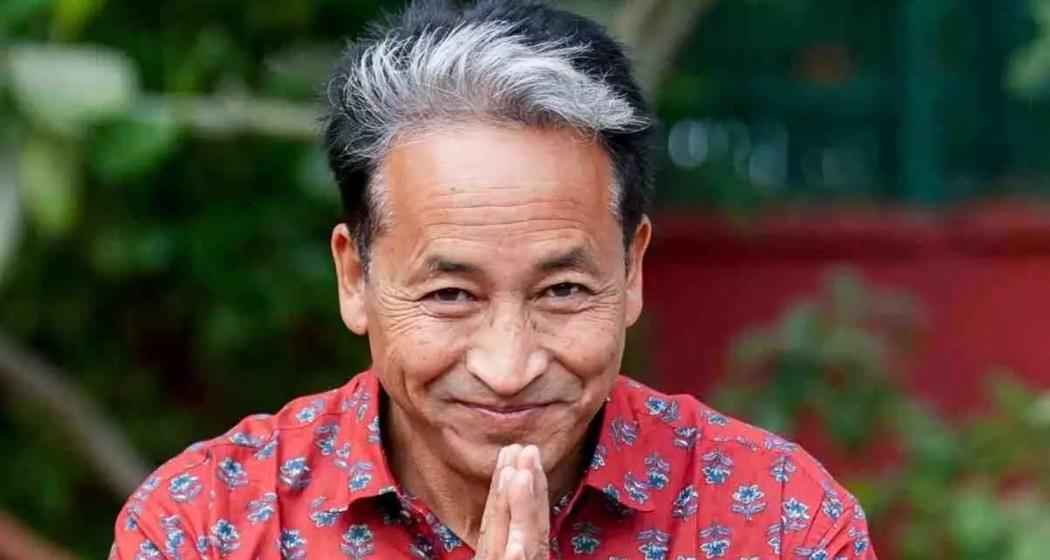
Climate activist Sonam Wangchuk returned to Leh on Sunday after nearly six months in detention following the revocation of his detention under the National Security Act, saying he is ready for dialogue on issues concerning Ladakh and expressing hope for a positive way forward.
Wangchuk, who had been in custody since September 26, 2025, was released from Jodhpur Central Jail after the government withdrew the detention order.
Speaking after his return, Wangchuk said he felt “very good” to be back in the mountains after 170 days and expressed optimism about the future of the movement.
“I am feeling very good. After 170 days, coming to these mountains and meeting people, I hope that a new sun will rise for the cause for which we are working. We are moving forward with hope. We hope that there will be such an atmosphere from all sides, and I would like to thank the people of the entire country who supported us in this struggle. Looking forward to meeting people,” he said.
Also read: Truth has won,we will continue work towards HIAL: Gitanjali Angmo
The activist indicated his willingness to engage constructively on key demands related to Ladakh, including calls for statehood and inclusion under the Sixth Schedule of the Constitution.
Reflecting on his detention, Wangchuk described the period as one of personal introspection, while also pointing to concerns from a justice perspective.
“In my personal life, I would say it was positive. It was an experience that gave me time to reflect on myself. From a justice perspective, many mistakes were made, many wrongs were done, and these mistakes should never happen to anyone. But the way they were withdrawn, I understand that there is an awareness of those mistakes,” he said.
He had earlier termed his time in custody a “huge horror story” and referred to the difficulties faced by his wife, Gitanjali J Angmo, in pursuing legal remedies during his detention.
Wangchuk’s detention had followed protests in Leh over demands for constitutional safeguards for Ladakh, including statehood and protection under the Sixth Schedule. His return is seen as a significant moment for the ongoing discourse around the region’s political and environmental concerns.

 Follow us