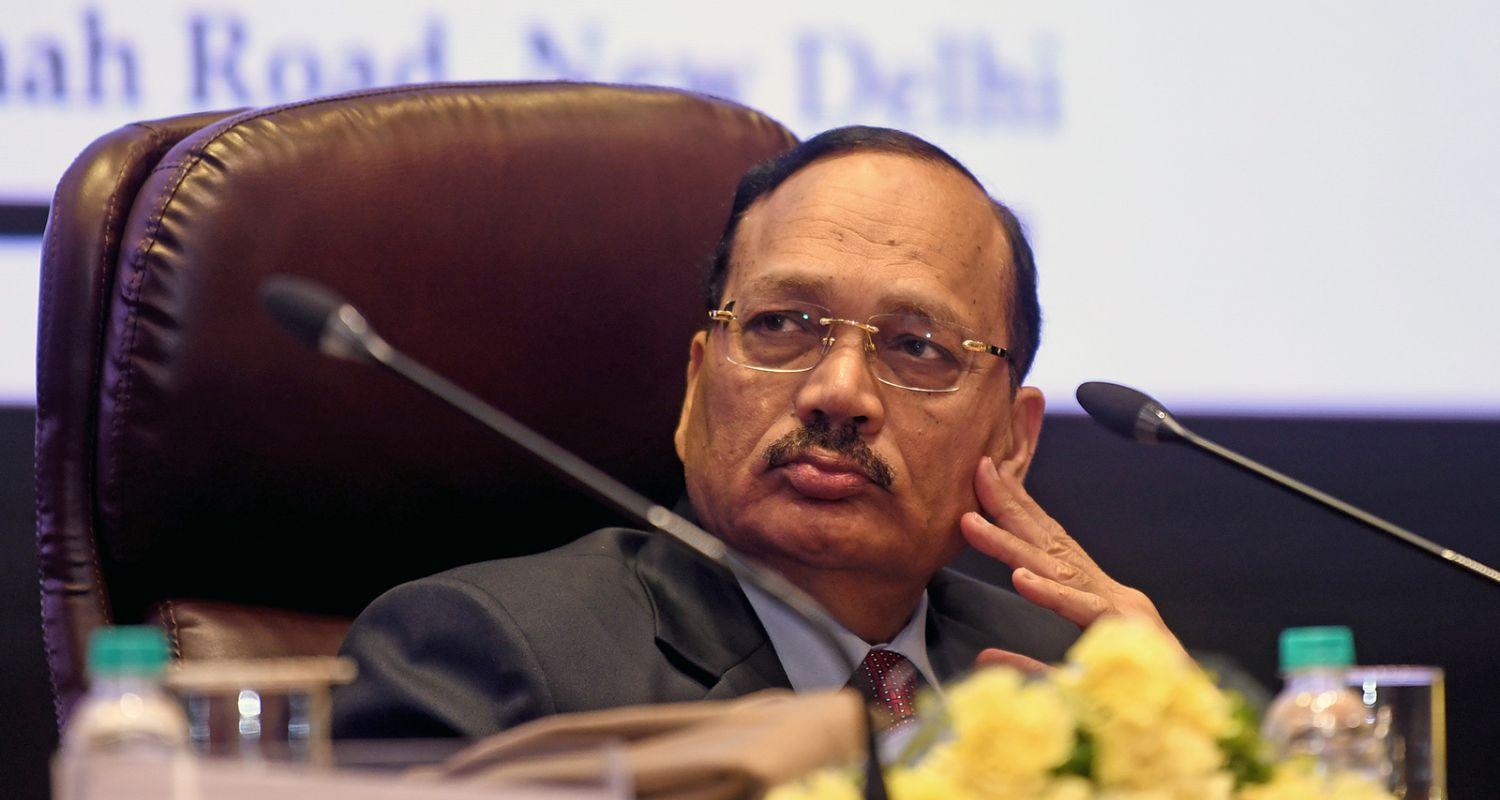
India’s Chief Justice, Surya Kant, has rejected an application for a special hearing by the Supreme Court today concerning the police action against students protesting at Jantar Mantar, stating that the Supreme Court has no interest in reviewing video evidence of the said event. On being asked by a counsel to address the matter suo motu and consider the issues arising out of the NEET-UG 2026 paper leak scandal and institutional reforms of the National Testing Agency, the Chief Justice rejected the plea and advised the advocate not to waste his time. Despite the lawyer’s insistence on presenting footage of alleged police brutality, the bench cut the submission short and refused to entertain the petition.
The group spearheading the demonstrations, the Cockroach Janta Party, ironically traces its origin back to earlier controversial remarks made by Chief Justice Surya Kant himself. After he stirred significant public debate by likening unemployed youths entering journalism and activism to "cockroaches" — a phrase he later clarified was directed solely at individuals holding fake degrees — the satirical movement was launched online. Within two months, the platform gained massive social media traction and transformed into a widespread political movement capable of mobilising thousands of demonstrators.
The protesters from the movement have been sitting on protest at the site of Jantar Mantar in Delhi for more than a month now and have been demanding that the Union Education Minister resign over exam irregularities. Prominent activist Sonam Wangchuk joined the demonstration in late June to undertake an indefinite hunger strike, but he was subsequently removed from the site by police forces and taken to Safdarjung Hospital, leading to scuffles with supporters.
The ongoing unrest culminated in the 'Chalo Sansad' march on July 20, where tens of thousands of marchers heading towards Parliament clashed with police, resulting in widespread allegations of excessive force and mass detentions. The Supreme Court’s unwillingness to hold an urgent hearing reflects that of the Delhi High Court, which made the same ruling a day before when it had refused to hear the urgent plea regarding the police action, warning both sides to keep the judiciary away from politics.
Also read: Opposition stages black dress protest in Parliament

 Follow us