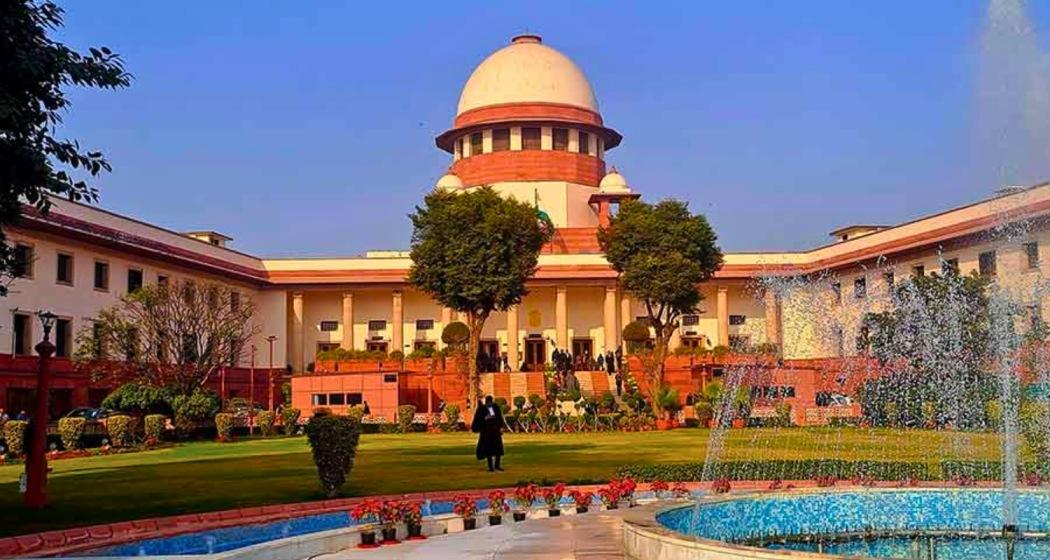
The Supreme Court of India has held that incarceration without trial amounts to punishment, granting bail to a Punjab resident accused in an attempt-to-murder case who had spent nearly two years in jail without the trial commencing.
A Bench of Justices Dipankar Datta and P V Varale passed the order on March 13 while allowing the appeal of Pradeep Kumar alias Banu and setting aside the July 11, 2025 order of the Punjab and Haryana High Court rejecting his bail plea.
“Prosecution proposes to examine 23 witnesses to drive home the charges against the appellant, but none has been examined. Thus, the trial is likely to take some time to conclude,” the Bench said.
The court noted that nearly two years had elapsed since Kumar’s arrest in February 2024, with the trial yet to begin and its conclusion “nowhere in sight”.
“Incarceration without trial amounts to punishment,” the Bench observed.
Taking an overall view, the court held that further detention pending trial was not necessary and that the appellant deserved to be released on bail.
Kumar has been directed to furnish bail bonds to the satisfaction of the trial court and comply with conditions that may be imposed.
Also read: SC orders Centre to 'disassociate' from NCERT authors
“Needless to observe, the appellant shall not, directly or indirectly, by making inducement, threat or promise, dissuade any person acquainted with the facts of the case from disclosing such facts to the court,” the Bench said.
It added that any breach of these conditions would entitle the trial court to cancel the bail.
The court also directed the appellant to attend trial proceedings diligently unless exempted, warning that unjustified absence could be treated as a violation of bail conditions.
“If he abstains from attending the proceedings without justifiable cause, that could also be seen as a breach of the conditions for grant of bail and the trial court will be free to pass appropriate orders,” it said.
Clarifying that the order does not touch upon the merits of the case, the Bench said its observations were limited to the question of bail.

 Follow us