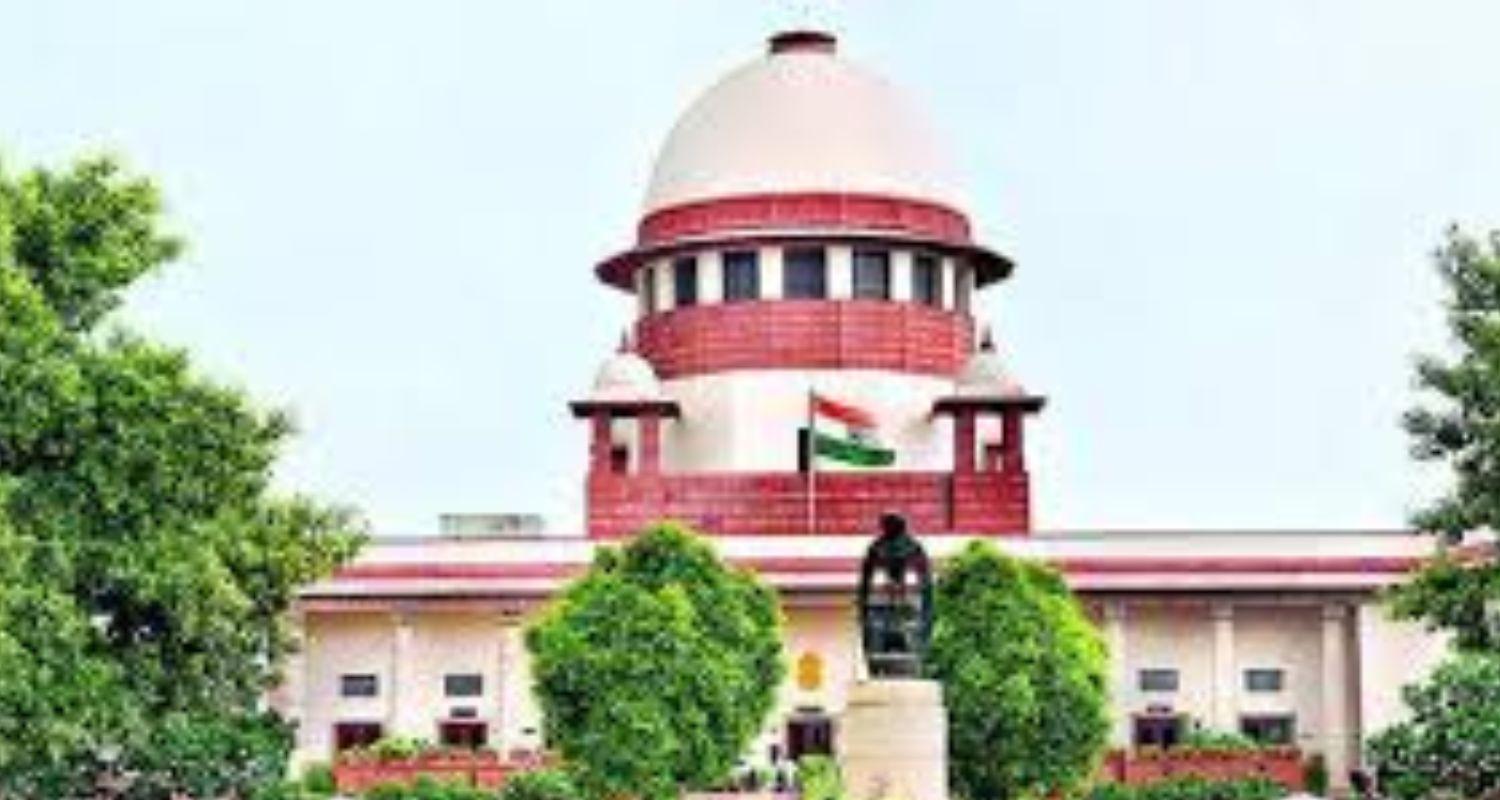
Observing that Hinduism is regarded as a way of life rather than merely a set of rituals, the Supreme Court on Wednesday said a person does not need to compulsorily visit temples or perform religious ceremonies to remain a Hindu, adding that even lighting a lamp at home is sufficient to demonstrate one’s faith.
The remarks were made by a nine-judge Constitution bench headed by Chief Justice Surya Kant during the hearing of petitions concerning discrimination against women at religious places, including the Sabarimala Temple, and issues relating to the scope of religious freedom followed by various faiths, including the Dawoodi Bohra community.
The bench also comprises Justices B. V. Nagarathna, M. M. Sundresh, Ahsanuddin Amanullah, Aravind Kumar, Augustine George Masih, Prasanna B. Varale, R. Mahadevan and Joymalya Bagchi.
Also read: SC to hear plea on killing of BJP workers in Bengal in July
As the proceedings entered the 15th day of hearing, advocate Dr G Mohan Gopal, appearing for one of the interveners, argued that demands for social justice have often emerged from within religious communities themselves.
He submitted that Hinduism had earlier been categorised as a religion and referred to a 1966 judgment that defined a Hindu as someone who accepts the Vedas as the highest authority in matters of religion and philosophy.
“They never asked me. None of us ever said that,” he argued, while adding that although he had immense respect and admiration for the Vedas, it could not automatically be assumed that every individual identified as Hindu today accepts them as the supreme authority in all spiritual and philosophical matters.
Responding to the submissions, Justice Nagarathna observed that Hinduism has long been understood as a way of life and not necessarily dependent on ritualistic practices.
“That is why Hinduism is called a way of life. It is not necessary for a Hindu to mandatorily visit a temple or perform rituals in order to remain a Hindu,” she remarked. She further noted that a person need not be ritualistic and that no one should interfere with an individual’s personal faith.
Chief Justice Surya Kant also observed that even if a person simply lights a lamp inside his home or hut, it is enough to establish his belief and religious identity. The hearing in the matter is continuing.
Earlier, the apex court had observed that if every religious custom or practice is challenged before constitutional courts, it could lead to a flood of litigation and eventually weaken the structure of every religion.
The matter stems from the landmark September 2018 verdict in which a five-judge Constitution bench, by a 4:1 majority, struck down the ban on entry of women aged between 10 and 50 into the Sabarimala Ayyappa temple, declaring the centuries-old practice unconstitutional and discriminatory.

 Follow us