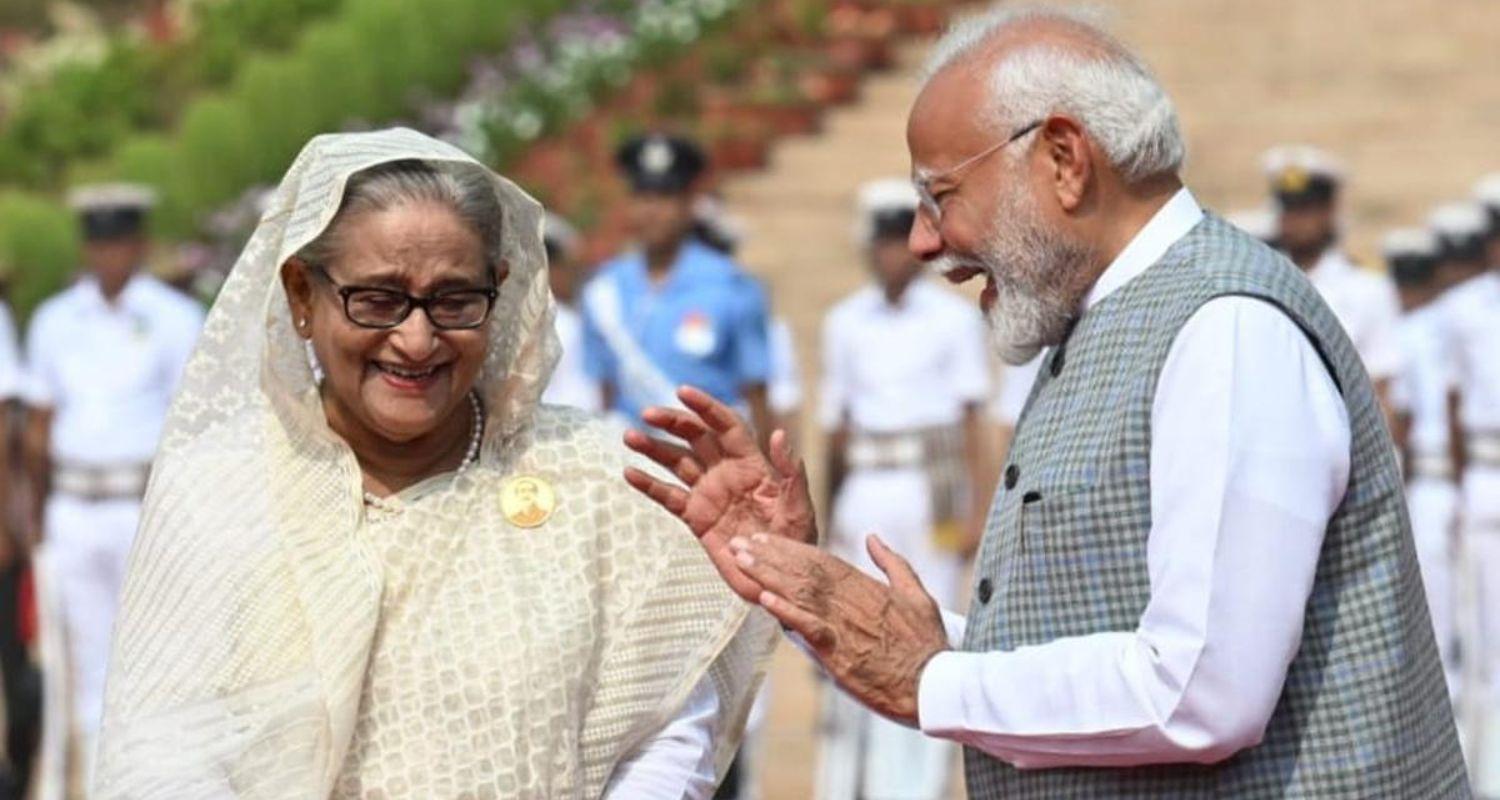
The move comes in response to the backdrop of mounting pressure from Bangladesh for Sheikh Hasina's extradition. Sources, however, did not confirm claims of Hasina being granted asylum.
India has decided to extend the visa of Bangladesh's former Prime Minister Sheikh Hasina, who has been residing in the country since fleeing Dhaka in August last year.
This decision comes amid growing demands from the interim government in Bangladesh for her extradition, raising questions about the future of her stay in India.
Sources have clarified that the visa extension should not be misconstrued as a step towards granting asylum. They emphasised that India lacks specific laws for providing asylum and described the visa extension as a technical measure to facilitate her continued stay.
It has been confirmed that Hasina has been living under tight security at a safehouse in Delhi since her arrival in India on August 5, 2024, following violent student protests in Bangladesh.
The interim government in Bangladesh, led by Nobel laureate Muhammad Yunus, has officially sought Hasina's extradition.
The request was made on December 23, with officials in Dhaka asserting that Hasina must face charges related to her alleged role in violent incidents and enforced disappearances during the 2024 protests.
These protests reportedly claimed the lives of over 500 individuals, intensifying the political turmoil in Bangladesh.
Adding to the controversy, Bangladesh's immigration department announced the cancellation of 97 passports, including Hasina's.
Abul Kalam Azad Majumder, a spokesperson for the interim government, stated that the cancellations were linked to allegations of enforced disappearances and killings during the 2024 protests.
According to Majumder, 22 passports were revoked for involvement in enforced disappearances, while the remaining 75, including Hasina's, were tied to alleged incidents of violence in July.
The situation has placed India in a delicate position as it balances its diplomatic relationship with Bangladesh while addressing Hasina's stay. The absence of specific asylum legislation has left India navigating a complex legal and diplomatic landscape.
Despite her extended visa, there has been no indication from Indian authorities that her stay is being considered as a pathway to permanent refuge.
The decision has sparked significant debate in Bangladesh, where Hasina remains a polarising figure. Critics of the interim government argue that the charges against her are politically motivated, while supporters of Yunus's administration insist on the necessity of accountability for past actions.
The issue of her extradition has become a focal point in the already tense political climate in Bangladesh.



 Follow us