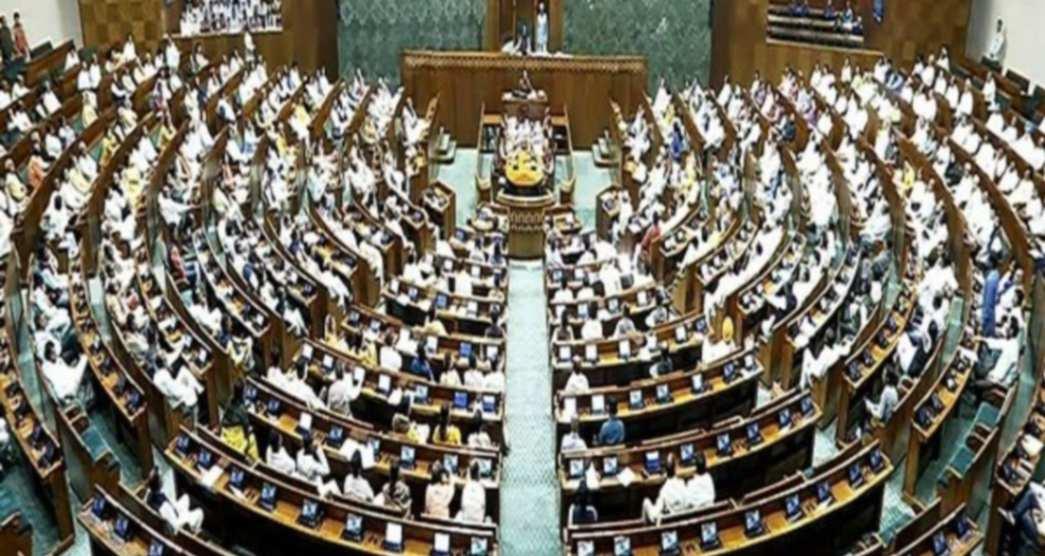
Following a week of constant disruptions over the NEET paper leak scandal, Parliament is poised for its first meaningful legislative debate of the Monsoon Session on Tuesday. The Lok Sabha is expected to table the Public Examinations (Prevention of Unfair Means) Amendment Bill, 2026, after Speaker Om Birla successfully brokered an agreement among party leaders to break the political deadlock.
The breakthrough follows Monday’s abandoned attempt to debate the measure, when Opposition MPs stalled proceedings to demand an official response to allegations of heavy-handed policing during student protests. Demonstrators, led by the Cockroach Janta Party (CJP) under their 'Chalo Sansad' banner, had gathered at Jantar Mantar and across Delhi before facing a firm police response.
Birla held extensive discussions with party floor leaders after suspended sittings threatened to derail the day entirely. On Monday, he adjourned the House until 5 pm to give both sides time to iron out their differences, pointing out that six hours had already been set aside for the debate. Emphasising the primary role of the assembly, the Speaker reminded members that Parliament was elected to debate legislation rather than chant slogans.
Introduced on Monday by Minister of State in the Prime Minister's Office Jitendra Singh, the proposed legislation comes shortly after the nationwide outrage over exam leaks led to the resignation of Education Minister Dharmendra Pradhan. The bill aims to toughen the original 2024 anti-paper leak act by imposing significantly harsher penalties on organised exam fraud. Ministers have framed the draft law as their definitive answer to the scandal, which severely damaged public trust in competitive entry tests.
While the Opposition broadly agrees with the need for stricter laws against cheating, members have insisted on holding the government to account regarding the treatment of student protesters. In the Rajya Sabha, Opposition figures — led by Leader of the Opposition Mallikarjun Kharge — demanded that Home Minister Amit Shah address the chamber on the police action before regular business could proceed.
The government, however, maintains that delaying the debate harms the very students the Opposition claims to represent. Parliamentary Affairs Minister Kiren Rijiju repeatedly urged members in both Houses to join the discussion, noting that the draft law directly affects the future of millions of young people across the country and arguing that many MPs were being denied their chance to speak.
Tuesday's debate carries considerable political weight, marking the first major discussion on education policy since Dharmendra Pradhan’s exit. While the government intends to use the debate to demonstrate its resolve to clean up the examination system, Opposition parties prepare to press their case that tougher penalties are no substitute for genuine institutional accountability and an explanation of the treatment meted out to student demonstrators.
Also read: Anti-paper leak bill in Parliament; Young MPs to take charge

 Follow us