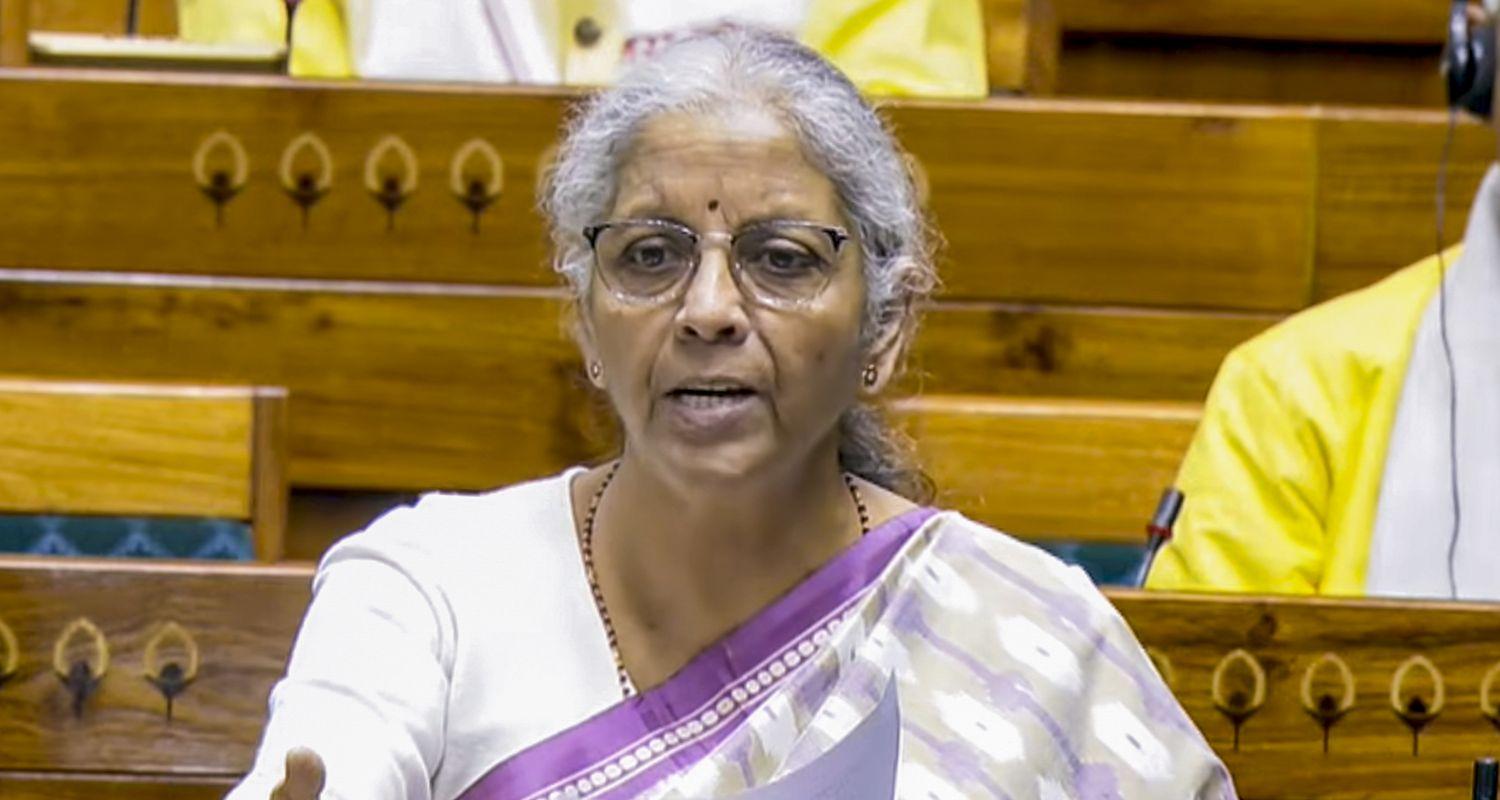
In the ongoing Winter session of the Parliament, a Bill aimed at levying excise duty on tobacco and related products was approved on Thursday, with the Rajya Sabha returning the legislation to the Lok Sabha, post discussions.
The lower House had passed the Central Excise (Amendment) Bill, 2025, on Wednesday, which is expected to come into effect once the GST compensation cess ends in the coming weeks.
Finance Minister, Nirmala Sitharaman, said this is not an additional tax, and the tax burden, as currently applicable under the GST regime, will continue.
“Let me assure here itself straight away that the tobacco products will still be taxed under the demerit category at 40 per cent in the GST frame of things. They will still be taxed at 40 per cent, but there will not be any compensation,” she said, while replying to a question in the Rajya Sabha.
The minister clarified that it had been discussed in the last GST Council that the compensation cess collection will probably come to a stop at the end of December.
The cess will therefore cease to exist after the ₹2.69 lakh crore loan taken to compensate states for revenue loss during the Covid is repaid, she added.
Also Read: Excise from tobacco will be shared with states: FM
The finance minister also said, however, that the items cannot be taxed beyond 40 per cent under the new GST changes, even if they are demerit goods.
“The incidence of tax on tobacco and tobacco-related products has therefore come down. You have no compensation. The highest rate that you have in GST is 40 per cent, and as a result, it gives the impression that the government has allowed a lesser tax on tobacco, and therefore, it’s going to become affordable. The intent is not that,” she said.
Currently, tobacco and related products have a 28 per cent Goods and Services Tax (GST) plus cess at a varied rate levied on them.
The new Bill proposes to levy an excise duty of 60-70 per cent on unmanufactured tobacco.
While excise on cigars and cheroots is proposed at 25 per cent or ₹5,000 per 1,000 sticks, whichever is higher, cigarettes, depending on length and filter, are proposed to be taxed in the range of ₹2,700-11,000 per 1,000 sticks, and chewing tobacco is taxed at ₹100 per kg.
Sitharaman also told the House that farmers are being encouraged to give up tobacco and grow other cash crops.
“This is being done in Andhra, Bihar, Karnataka, Madhya Pradesh, Maharashtra, Odisha, Tamil Nadu, Telangana, Uttar Pradesh, and West Bengal. In these states, more than 1 lakh acres of land are shifting from tobacco cultivation to other crops,” she said.
“When GST was introduced, tax on tobacco and tobacco-related products – even with the cess – could not reach the benchmark set by WHO every year. As a result, the affordability index of tobacco products remains high, undermining public health goals,” she added.
The Bill, once enacted, will give the government the fiscal space to increase the rate of central excise duty on tobacco and related products after the GST compensation cess, which is currently levied on all tobacco products like cigarettes, chewing tobacco, cigars, hookah, zarda, and scented tobacco, ceases to exist.

 Follow us