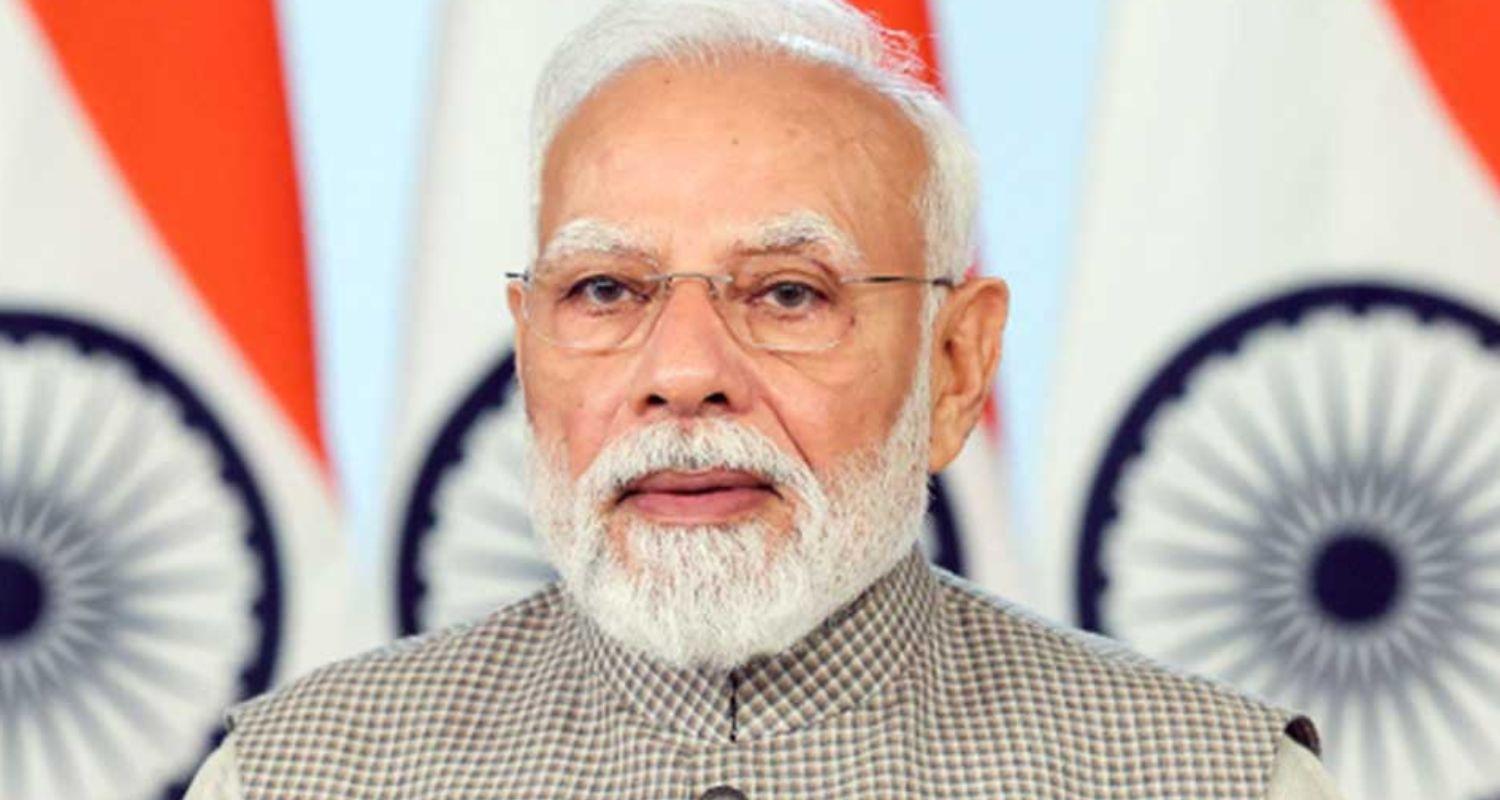
Prime Minister Narendra Modi marked National Handloom Day on Friday by celebrating India's rich handloom heritage and reiterating the government's support for the nation's weavers and artisans, describing the sector as a crucial foundation for rural empowerment, women-led development, and national self-reliance.
In a statement published on his official X account, PM Modi paid tribute to the generations of craftspeople who have preserved traditional Indian techniques. He encouraged members of the public to champion the sector online by sharing photographs of their favourite handloom items and participating in social media trends using the dedicated event hashtag to raise awareness and support weaving communities.
To mark the 12th annual observance, the Ministry of Textiles arranged a central celebration at the Rashtrapati Bhavan Cultural Centre in New Delhi, with President Droupadi Murmu attending as chief guest alongside Union Minister of Textiles Giriraj Singh and other senior officials. The primary function is meant to recognise the role played by the handloom sector in contributing to the socio-economic life of the country. The function includes the winners of various awards, handloom weavers from all over the nation, as well as industry stakeholders.
One of the most important parts of the ceremony is the awarding of 22 Sant Kabir Handloom Awards and National Handloom Awards 2025. The proceedings also include the release of four commemorative postage stamps celebrating regional weaving traditions, alongside two new publications, including a dedicated volume on the natural Aal-dyed textiles of central India. An accompanying exhibition showcases award-winning creations alongside live demonstrations of intricate traditional techniques such as Kani weaving.
National Handloom Day has been observed annually on August 7 since its inauguration by Modi in Chennai in 2015. The date commemorates the launch of the Swadeshi Movement on August 7, 1905, which originally rallied support for indigenous industries. Today, India's handloom sector provides livelihoods for more than 35 lakh people, with women making up over 70 per cent of the workforce.
State governments also highlighted regional contributions to the industry. According to the Gujarat Chief Minister's Office, the international appeal of traditional designs, including the Patola and Kutch textiles, has increased significantly to cover Europe, North America, East Asia, and the Middle East, with the help of innovative design and marketing programs from the state, which have helped earn more than Rs 51 crore for over 12,000 artisans.
Also read: Supreme Court shuts Bofors case, rejects plea against Hindujas

 Follow us