On World Wildlife Day, observed on March 3, Prime Minister Narendra Modi hailed the government's ongoing success in protecting India's natural heritage, reaffirming a national commitment to conservation and habitat restoration.
In a series of posts on X, the Prime Minister celebrated the "incredible faunal diversity" that sustains the planet’s ecosystems and offered his gratitude to the conservationists working on the front lines. He emphasised that under the National Democratic Alliance (NDA) government, wildlife protection has moved beyond mere rhetoric to tangible global leadership, citing the establishment of the International Big Cat Alliance— a 96-nation forum launched to safeguard species like the tiger and snow leopard.
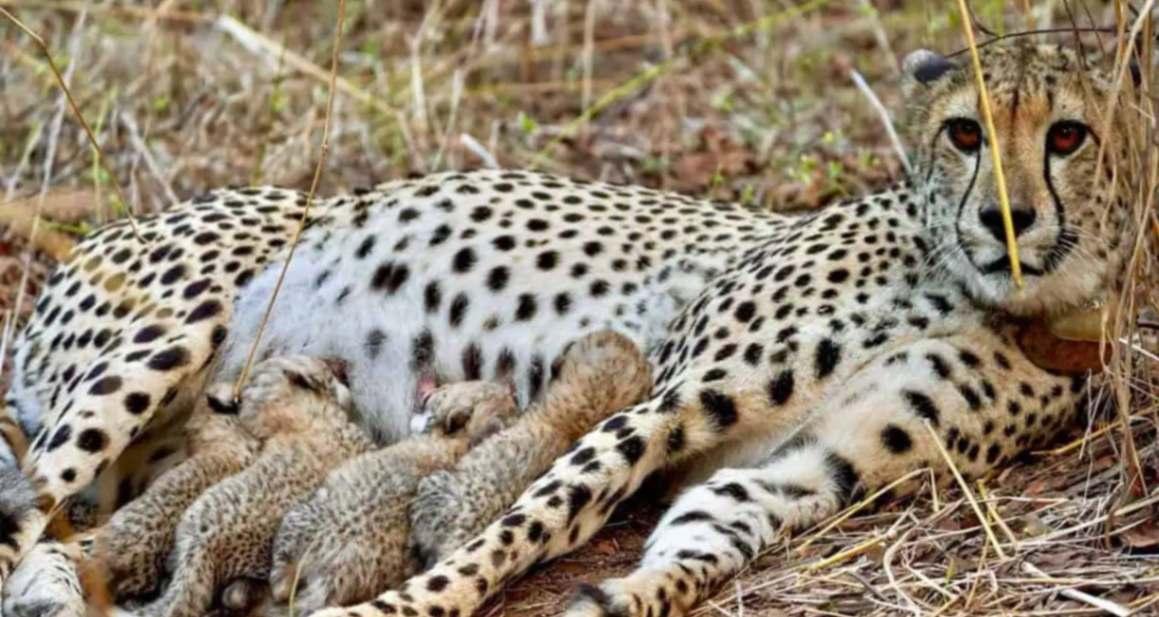
The Prime Minister’s message carried extra weight this year following a major milestone on February 28: the arrival of nine cheetahs from Botswana. These animals were released into quarantine at Kuno National Park in Madhya Pradesh, marking the third phase of an ambitious intercontinental translocation project that has seen India’s cheetah population grow to 48, including 28 cubs born on Indian soil.
India’s unique position in the natural world was a central theme of the Prime Minister’s address. He noted that the country now hosts over 70 per cent of the world's tigers and remains the only place on Earth where the Asiatic lion can be found in the wild. India also boasts the largest populations of both the one-horned rhinoceros and the Asiatic elephant.
Beyond the "big ticket" species, the Prime Minister highlighted tailored efforts to save the Great Indian Bustard, the Gharial, and the Sloth Bear. He concluded his presentation by reflecting on India’s cultural ethos and quoted a Sanskrit Subhashitam, which highlights the holy interdependence of the forest and the tiger. Without the forest, the tiger perishes. Without the tiger, the forest perishes.
Also read: Sonia targets PM over govt's silence on Khamenei’s assassination

 Follow us