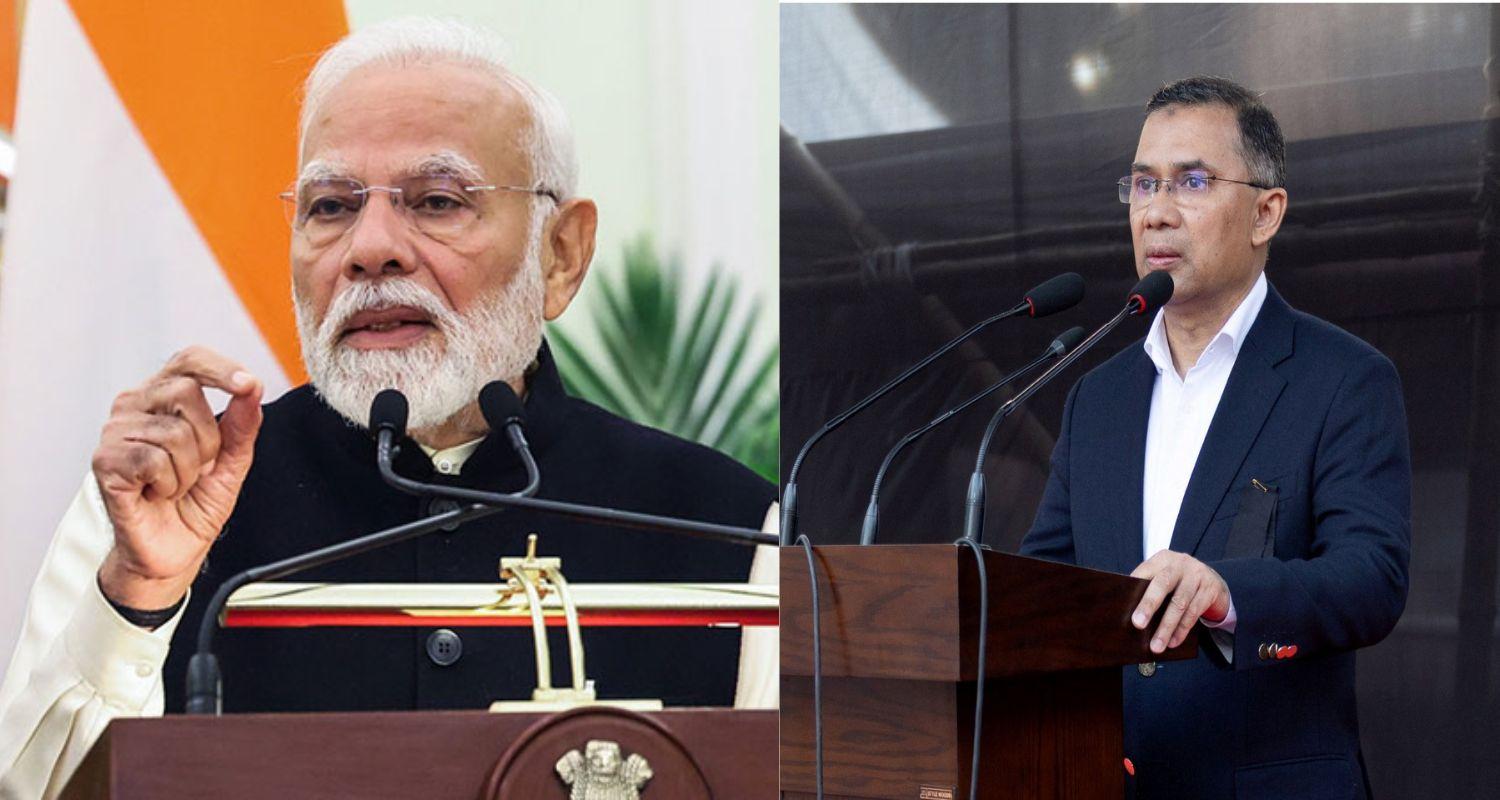
The proposed meeting between Prime Minister Narendra Modi and his Bangladesh counterpart Tarique Rahman in New Delhi has effectively collapsed after Dhaka placed a series of demands as conditions for the talks, including the repatriation of former Prime Minister Sheikh Hasina.
The Indian Ministry of External Affairs (MEA) had sent a note verbale to the Bangladesh government conveying that Modi could meet Rahman for 30 minutes on any day between August 22 and 24. Instead of confirming the proposed meeting, Dhaka put forward three demands, signalling that it wanted certain issues addressed before the bilateral engagement could proceed.
Among the conditions cited by Bangladesh are the extradition of Sheikh Hasina, the return of 111 fugitive Awami League leaders and former bureaucrats, and action concerning two suspects in the student leader Sharif Osman Hadi killing case who were arrested in West Bengal.
The development has further strained ties between New Delhi and Dhaka, coming at a time when both sides have been engaged in intense diplomatic activity over the past two weeks.
The absence of an advance security team from Dhaka has emerged as another indication that Rahman's proposed visit is unlikely to take place. Normally, an advance security team travels to the host country several days before a prime ministerial visit to conduct security assessments and coordinate arrangements. As of August 22, no such team had left Dhaka for New Delhi.
Diplomatic communications and the agenda for a bilateral visit are also ordinarily finalised shortly before the trip. The apparent halt in communication between the two sides has therefore raised the likelihood that the proposed Delhi visit has been abandoned.
The disagreement became public after Bangladesh outlined its conditions ahead of the visit. On August 18, MEA spokesperson Randhir Jaiswal was asked about Dhaka's demand for the extradition of Sheikh Hasina, the return of 111 alleged fugitives and the two suspects arrested in West Bengal.
Jaiswal reiterated India's position that New Delhi wants to maintain “positive, constructive and forward-looking relations” with Bangladesh based on mutual interests and “reciprocity”.
The reference to reciprocity was significant, as it appeared to underline India's expectation that Dhaka would also respond to concerns raised by New Delhi. India has not publicly detailed all the issues it expects Bangladesh to address.
On extradition requests, Jaiswal said India's consistent position was that such requests were being examined through the country's existing legal and institutional processes. He also said there was no need to reiterate India's position on remarks made by the former Bangladeshi prime minister.
The proposed Modi-Rahman meeting had assumed significance amid concerns in New Delhi and Washington over India's security environment following political changes in Bangladesh and the presence of forces viewed by India and the United States as potentially destabilising.
Also read: Rahul Gandhi stages sit-in, seeks FIR over July 20 police action
The diplomatic situation also comes against the backdrop of recent high-level consultations involving India and the United States. After concluding his Bangladesh visit, Sergio Gor, the Trump administration's Special Envoy for South and Central Asian Affairs and US Ambassador to India, returned to New Delhi and held meetings with India's National Security Adviser Ajit Doval on August 11 and 12.
R&AW chief Parag Jain and India's High Commissioner to Bangladesh Dinesh Trivedi also joined the discussions for brief periods, underlining the security and diplomatic significance attached to developments in Bangladesh.
The collapse of the proposed Modi-Rahman meeting now threatens to deepen the diplomatic impasse between the two neighbours. With Dhaka insisting on its demands and New Delhi stressing reciprocity and existing legal procedures, the immediate prospects for a high-level political reset appear limited.
By Pranab Mondal

 Follow us