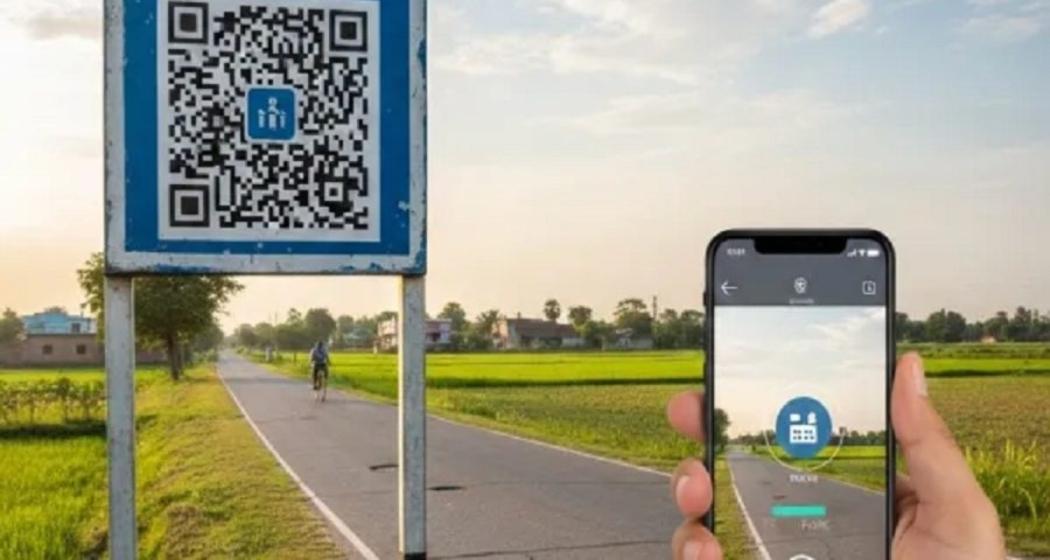
The Public Works Department (PWD) has introduced QR code-enabled display boards on roads undergoing strengthening, in a move aimed at boosting transparency and citizen participation in infrastructure projects.
Announcing the initiative on Saturday, Delhi PWD minister Parvesh Sahib Singh said the system is designed to transform public engagement by providing easy access to project information while enabling direct feedback from residents.
“Transparency is not just about sharing information; it is about listening to the people. With this initiative, citizens will not only know the details of road works but will also be able to give their feedback directly,” he said.
How the QR system will work
According to officials, QR code display boards will be installed within seven days of the completion of any road work. These boards will be placed at prominent public locations such as bus queue shelters, major intersections and other high-footfall areas to ensure maximum visibility.
By scanning the QR code, citizens will be able to access detailed information about the road project. This includes the name and length of the road, the date of its last strengthening, and details of the contractor or executing agency.
Officials said the system is intended to make infrastructure data easily accessible, allowing residents to stay informed about projects in their localities.
Also read: CM launches series of development projects across Delhi
Direct channel for citizen feedback
A key feature of the initiative is the built-in feedback mechanism. Citizens can use the QR codes to submit complaints, suggestions or share their overall experience regarding the quality of the work carried out.
“In addition, the system incorporates a feedback feature, enabling residents to share complaints, suggestions, or their overall experience regarding the quality of work,” the minister said.
The move is expected to create a more responsive system, where authorities can monitor public sentiment and address concerns more efficiently.
Focus on accountability and upkeep
The minister has directed all PWD divisions to ensure that the boards remain clearly visible and that QR codes are functional at all times. He also emphasised the need to update the information after any subsequent repair or strengthening work.
Officials said the initiative is part of a broader push to improve accountability in public works and ensure better quality control through community participation.
By integrating technology with governance, the PWD aims to create a more transparent and interactive system, giving citizens a greater role in monitoring infrastructure projects across the city.

 Follow us