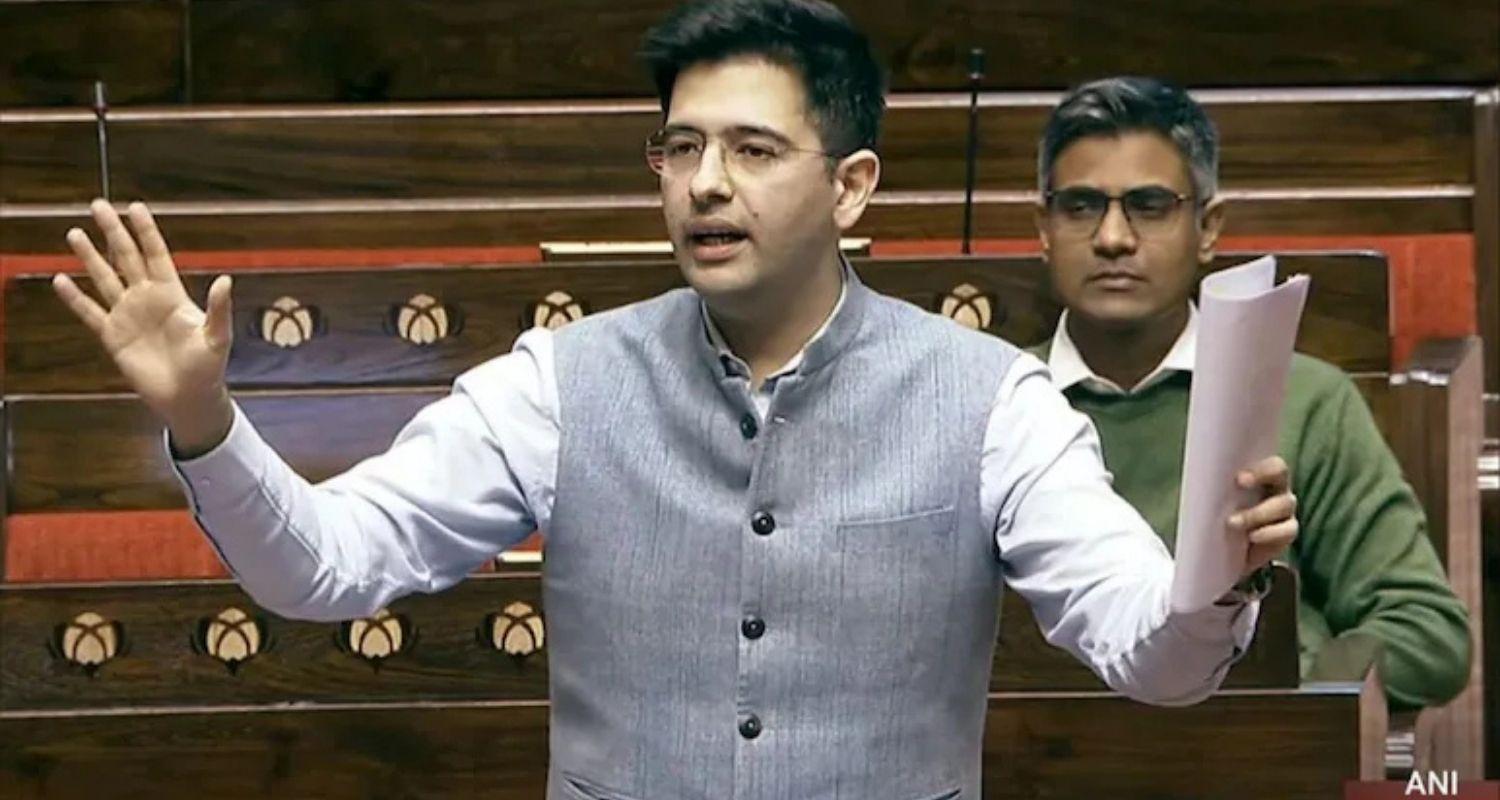
Raghav Chadha, Aam Aadmi Party (AAP) Rajya Sabha MP, has once again drawn attention in Parliament by advocating for paternity leave to be recognised as a legal right in India.
Speaking during the ongoing session, Chadha argued that caregiving responsibilities after childbirth should not fall disproportionately on mothers. “When a child is born, both parents are congratulated, but the responsibility of caregiving often rests solely on the mother,” he said, calling for a more balanced approach.
Highlighting the challenges faced by fathers, Chadha noted that many are forced to choose between their jobs and supporting their families during a critical phase of life. “A father should not have to choose between caring for his newborn and keeping his job. Similarly, a mother should not have to go through childbirth and recovery without her partner’s support,” he added.
Also read: Centre proposes scrutiny of online content without complaint
He stressed that a father’s presence is vital immediately after childbirth, both for emotional support and shared caregiving. “Caregiving is a shared responsibility. Our laws must reflect that,” Chadha asserted.
Chadha has previously raised issues affecting a wide range of citizens, including consumer concerns such as online delivery timelines, airline luggage charges, and the health implications of packaged juices.
His remarks come in line with recent observations by the Supreme Court of India. Earlier this month, a bench comprising Justice J.B. Pardiwala and Justice R. Mahadevan noted that while a mother’s role in a child’s development is undeniable, the father’s role is equally important. The court emphasised that parenting is a shared responsibility, and fathers should have the opportunity to actively participate in their child’s early development.
Currently, India does not have a law mandating paternity leave in the private sector. While maternity leave is regulated under the Maternity Benefit Act, 1961, paternity leave remains largely unregulated.
For government employees, paternity leave is recognised under the Central Civil Services (Leave) Rules, 1972. Male employees are entitled to 15 days of fully paid leave, to be availed within six months of the child’s birth, applicable for up to two surviving children.

 Follow us