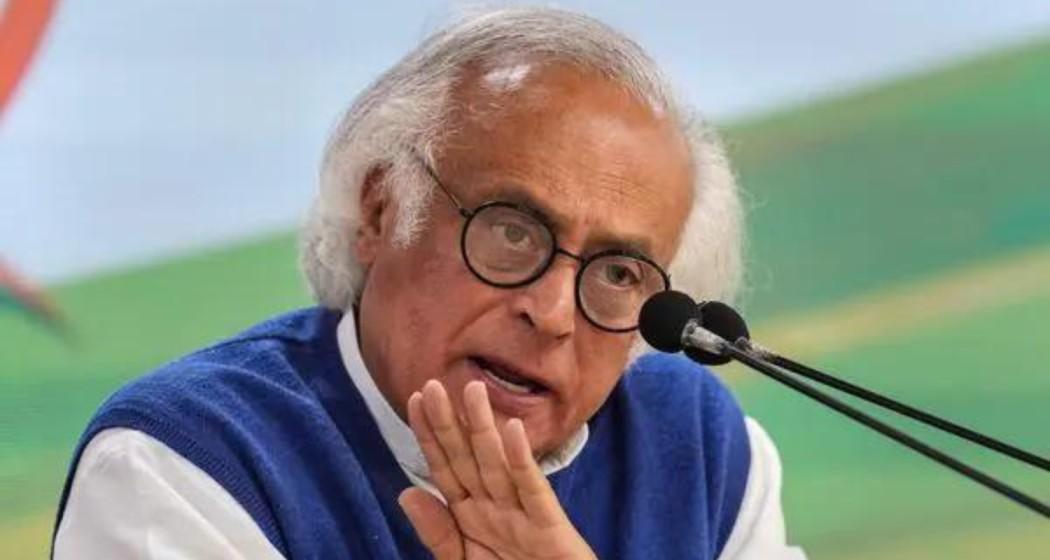
Congress Rajya Sabha MP Jairam Ramesh on Friday accused the Centre of pursuing a policy of "calibrated capitulation" towards China, citing reports that four Chinese-linked power equipment firms had been allowed to bid for certain government power projects despite continuing border and security concerns.
In a post on X, Ramesh alleged that the reported decision came at a time when India's trade deficit with China had reached record levels and amid continuing tensions along the border.
"The Modi Govt's calibrated capitulation to China continues even as India's trade deficit with that country reaches record levels, destroying large sections of our industry specially MSMEs," he said.
The Congress leader also referred to China's actions relating to Arunachal Pradesh, the Brahmaputra River and Eastern Ladakh, alleging that Beijing's activities continued unabated.
Also read: Honeymoon murder: SC declines to halt Sonam Raghuvanshi’s bail
"China's provocative actions in relation to Arunachal Pradesh are unabated. The world's largest hydroelectric project in Medog continues, imperilling India's water security in relation to the Brahmaputra. India's traditional patrolling and herding rights in many places in Eastern Ladakh have been given up," he said.
Ramesh also criticised Prime Minister Narendra Modi's June 19, 2020 statement following the Galwan Valley clash and referred to Operation Sindoor, claiming China's role in Pakistan's actions had been acknowledged by the Deputy Chief of Army Staff.
Citing a media report, Ramesh said the Union Ministry of Power had sought an exemption in January to allow entities with manufacturing units in India, including four Chinese-linked power equipment firms, to participate in bids for critical power projects.
The Centre has not officially responded to Ramesh's allegations.
Last month, India and China held the 35th meeting of the Working Mechanism for Consultation and Coordination on India-China Border Affairs in Beijing, where both sides reviewed the border situation and agreed to continue efforts to maintain peace and tranquillity along the Line of Actual Control while advancing discussions on border management and bilateral cooperatio

 Follow us